2026 Best EV Home Chargers for Every Electric Vehicle Owner?
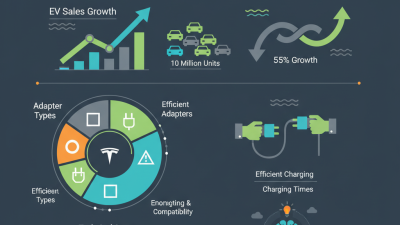
As electric vehicles (EVs) gain popularity, the demand for efficient EV home chargers increases. Reports show that by 2026, the EV market is expected to reach over 30 million units sold globally. This surge in adoption highlights the need for reliable charging solutions at home. EV home chargers play a pivotal role in supporting this growth.
In the U.S., residential charging options account for approximately 80% of all charging sessions. However, not all chargers are created equal. Choosing the right EV home charger requires understanding your specific vehicle needs and charging speed. Unfortunately, many consumers overlook these details, leading to wasted time and resources.
Home charging must fit seamlessly into daily life, yet many still grapple with the complexities of installation and usage. As we explore the best EV home chargers for 2026, we must consider these important factors to ensure efficiency and convenience for every EV owner.
2026 Overview of Electric Vehicle Home Charging Options Available
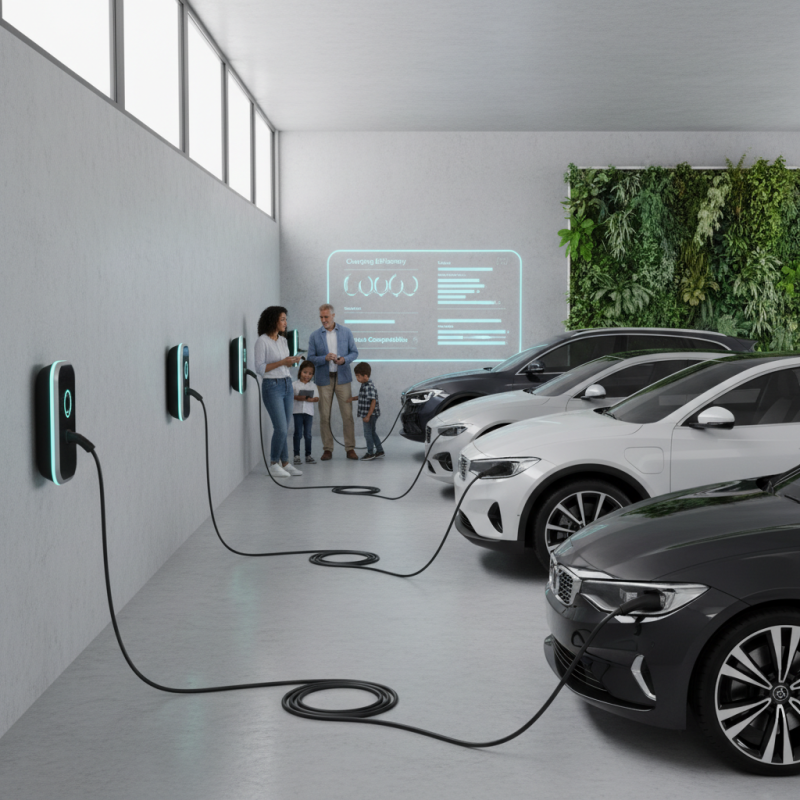
As electric vehicles (EVs) gain popularity, home charging options evolve. A 2022 industry report indicated that over 70% of EV owners prefer charging at home. This trend highlights the need for diverse charging solutions. Charging at home offers convenience and cost savings, but not all homes are prepared for this shift.
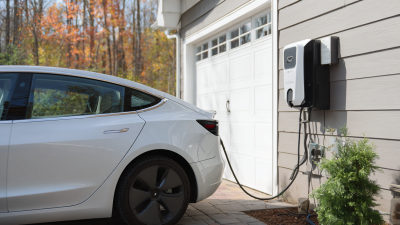
Various chargers cater to different needs. Level 1 chargers are slow but can work for daily commutes. They require only a standard outlet. Level 2 chargers deliver a quicker charge and are popular among homeowners. However, installation costs can be high. Not every house can accommodate a Level 2 setup without electrical upgrades, which can become a barrier.
Considering the growth in EV usage, estimated to reach over 30 million by 2026, more solutions are necessary. Flexible options, like portable chargers, can bridge gaps for some homeowners. However, they often lack optimal charging speed. Infrastructure must improve to support this rapid EV growth. Addressing these challenges is crucial for the future landscape of EV home charging.
Types of EV Home Chargers: Level 1 vs. Level 2 vs. DC Fast Chargers
Electric vehicle (EV) owners often face a crucial decision: which type of home charger to install. Understanding the differences between Level 1, Level 2, and DC Fast Chargers can significantly influence your charging experience.
Level 1 chargers use a standard household outlet. They’re convenient but may take a long time to completely charge your EV—up to 24 hours for some models. While this option is easy, it may not suit everyone’s needs.
Level 2 chargers are faster and require a 240-volt outlet. They can fully charge most EVs overnight, making them a popular choice. Despite their efficiency, installation can be expensive. Homeowners need to consider whether they want to invest time and money.
DC Fast Chargers, on the other hand, are the most powerful. They can deliver an 80% charge in as little as 30 minutes. However, these chargers are typically not meant for home use. Their high installation costs and power requirements may leave some users feeling overwhelmed.
Ultimately, the best choice will depend on your daily driving habits, home setup, and budget. Each type has its pros and cons. It's important to weigh them carefully. What works wonderfully for one owner might not be ideal for another. Planning ahead and assessing your unique situation is key.
Factors Influencing EV Charger Selection: Compatibility, Power Output, and Cost
When selecting an EV charger, three main factors come into play: compatibility, power output, and cost. Compatibility with your electric vehicle is crucial. According to the Electric Vehicle Charging Association, most EVs support Level 2 chargers. However, always verify if your model is compatible with the charger you are considering. This ensures a smooth charging experience at home.
Power output is another critical factor. Chargers can range from 3.7 kW to 22 kW. The higher the output, the faster your EV will charge. For instance, a 7.2 kW charger can fully charge an EV in about 5 to 8 hours, depending on the battery size. However, high-output chargers often come with a higher price tag. Balancing speed and cost is essential for many homeowners.
Cost is frequently a primary concern. Prices for home chargers vary greatly, averaging $300 to $1,200. Installation fees may add another $500 to $2,000. Consider homeowners' incentives available in your area. Look for rebates or tax breaks that can significantly lower your upfront costs.
Tip: Before purchasing, check online communities. User reviews can provide real-life insights on performance and common issues.
Tip: Don’t overlook the installation process. Find a certified electrician to ensure safety and compliance with local codes. A faulty installation can lead to costly repairs later.
2026 Best EV Home Chargers Comparison
Performance Data: Charging Speed and Efficiency of Top EV Home Chargers
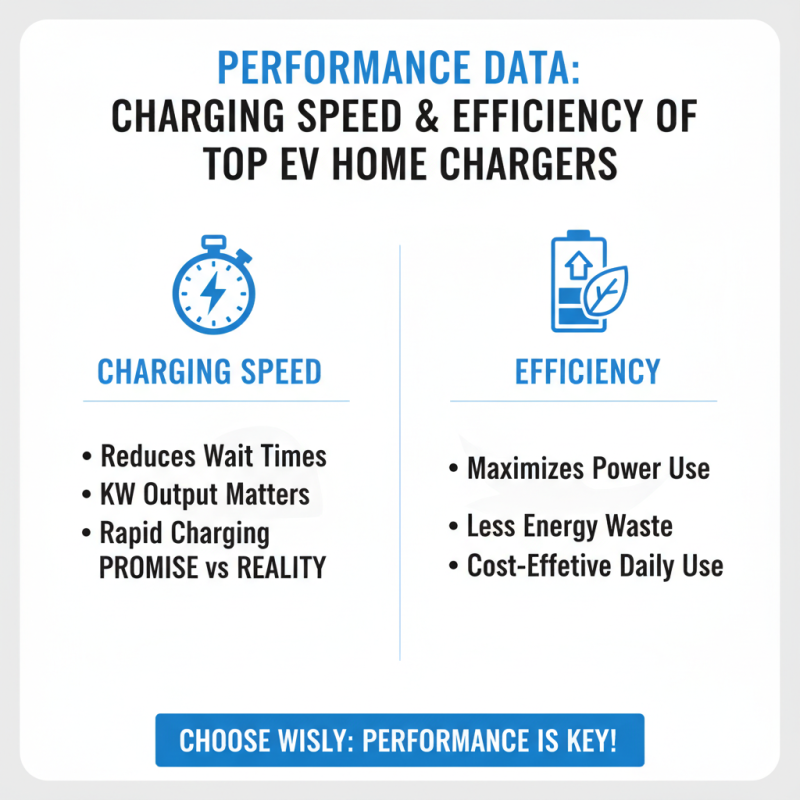
When choosing a home charger, performance is key. Electric vehicle (EV) owners need to look closely at charging speed and efficiency. Many chargers promise rapid charging, but not all deliver the same performance. A well-rounded charger can significantly reduce wait times, making daily use more convenient.
For optimal charging speed, consider your home's power supply. Some homes have limited capacity, which affects charging potential. Chargers typically range from Level 1 to Level 2, with Level 2 offering faster speeds. A reliable Level 2 charger can recharge most EVs within a few hours. Assess your driving habits and select a charger that complements them.
Tips: Before buying, investigate local incentives for home charging setups. This can help offset installation costs. Regularly monitor your charger’s performance to ensure it's running efficiently. Don’t forget to check compatibility with your vehicle. With a bit of research, you can find the perfect charger that enhances your EV experience.
Future Trends in EV Home Charging Technology and Infrastructure Development
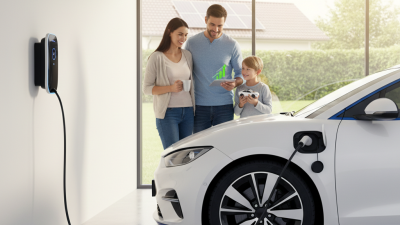
The future of EV home charging technology is rapidly evolving. As electric vehicle adoption soars, so does the need for efficient charging solutions. Many homeowners want reliable, fast, and easy-to-use charging systems. This push for efficiency is leading to innovative developments in charging stations. Smart home integration is one of the key trends. Users can control charging schedules through their smartphones. This feature helps to optimize energy use, reducing costs.
Another emerging trend is increased charging speed. Many chargers are getting faster. This means shorter wait times for EV owners. However, faster charging often comes at a higher price. Homeowners must weigh the benefits against their budget. Additionally, many lack the infrastructure for these advanced systems. It creates barriers for some potential EV users. There is a clear need for broader infrastructure development.
Sustainability is also a crucial consideration. Many new technologies focus on using renewable energy sources for home charging. This shift could lead to significant impacts on energy consumption. But the integration of these systems is still challenging. Many homes are not equipped to handle the extra load. Overall, while the future of EV home charging looks bright, challenges remain.