Best EV Car Charger Adapters to Buy in 2026?
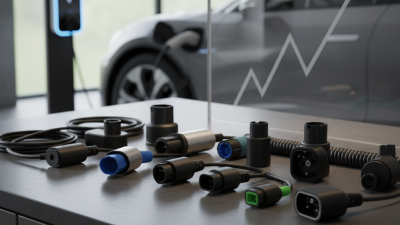
As electric vehicles (EVs) continue to gain popularity, the demand for efficient charging solutions rises. One crucial component in this ecosystem is the EV car charger adapter. This device offers versatility by enabling EV owners to charge their vehicles at various stations. However, choosing the right adapter can be challenging.
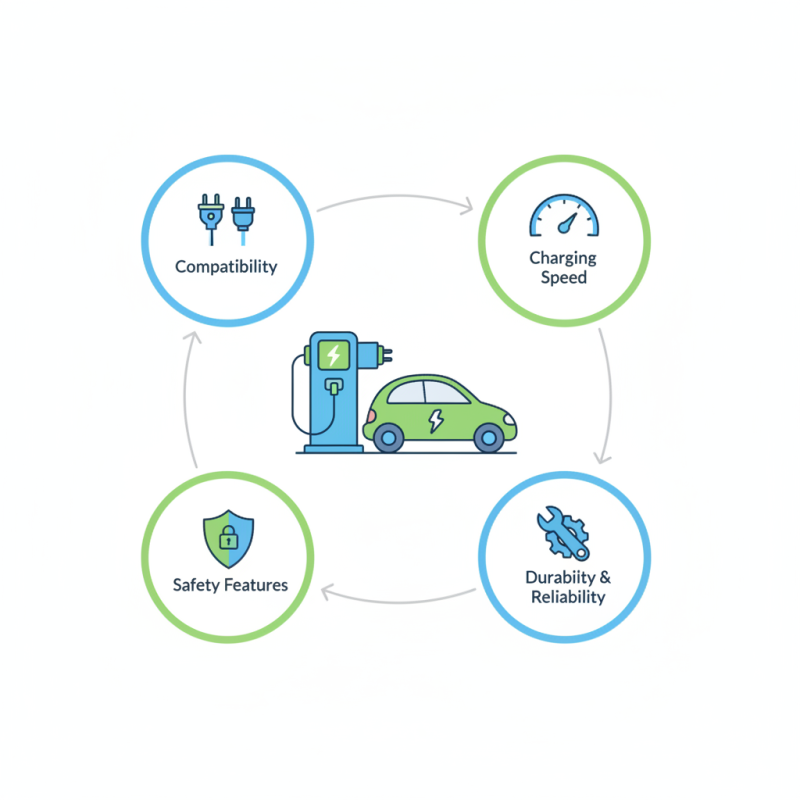
In 2026, several factors impact the market for EV car charger adapters. Compatibility remains a key concern. Not all adapters work with every EV model. Some users may find themselves frustrated by mismatched systems. Additionally, charging speed and safety features vary widely among different brands. It can really take time to sift through options.
While many adapters promise efficiency and convenience, the real-world performance may not always meet expectations. Users often report issues with durability and reliability. This underscores the importance of research before making a purchase. Considering these aspects will help you find the best EV car charger adapter that suits your needs.
Overview of EV Car Charger Adapters in 2026
As electric vehicles (EVs) continue to rise in popularity, the demand for reliable car charger adapters will also increase. In 2026, consumers will look for options that offer versatility and efficiency. Many drivers will want to find a charger adapter that seamlessly integrates with various types of EVs. This ensures compatibility and reduces charging anxiety.
Diverse options will likely emerge on the market. Some adapters will focus on high-speed charging. Others will prioritize compact design for easy storage. It’s vital to check the specifications before making a purchase. Not all adapters will meet the same standards. Understanding the technology behind charging adapters can make a significant difference.
While the advancements are impressive, they may not work flawlessly for everyone. Users may experience compatibility issues or charging inefficiencies. Reviews and hands-on testing become essential for gauging real performance. Consumers will need to engage with the community and share their experiences. This collective knowledge can help prospective buyers make informed choices and enhance the overall EV experience.
Key Features to Consider When Choosing Car Charger Adapters
When selecting an EV car charger adapter, key features deserve close attention. Look for compatibility with your vehicle model. Not all adapters fit every car. A good adapter should support multiple charging standards. This ensures you can charge at home or on the go without hassle.
Pay attention to charging speed. Some adapters offer rapid charging options. This can be a game changer for busy schedules. However, faster isn’t always better. Higher speeds can impact battery longevity. Balance is crucial here.
Consider the adapter's build quality as well. A sturdy device can withstand regular use. Lightweight materials may appeal, but durability matters. Check user reviews for insights on real-world performance. Some adapters may seem tempting but fail in practical use. Reflecting on these details can guide you to make a more informed choice.
Top Brands and Models of EV Car Charger Adapters for 2026
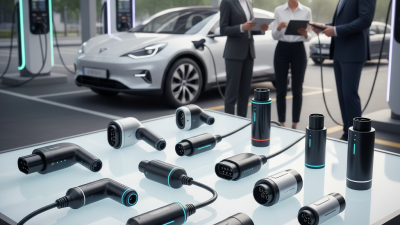
When looking for the best EV car charger adapters in 2026, users should focus on the variety of options available. Many brands offer compact and lightweight designs. These adapters make charging easier, especially for those on the go. It's essential to find adapters with a good build quality and reliable functionality. They should be durable and able to withstand daily use without issues.
Different models come with unique features. Some adapters offer fast charging capabilities, while others focus on portability. Users might face challenges finding the right fit. Compatibility with various EV models is crucial. Not all adapters work with every car. This can lead to frustration. Researching reviews from other users can provide valuable insights. While some models excel in performance, others may lack essential features. It's vital to weigh these factors carefully.
The market for charger adapters is evolving quickly. New technologies emerge every year. This means that the best adapter today might not be the best tomorrow. Staying informed can only help. It’s worth exploring different choices to match specific needs. While it may require time and effort, finding a reliable adapter is well worth it in the end.
Comparison of Charging Speeds and Compatibility in Adapters
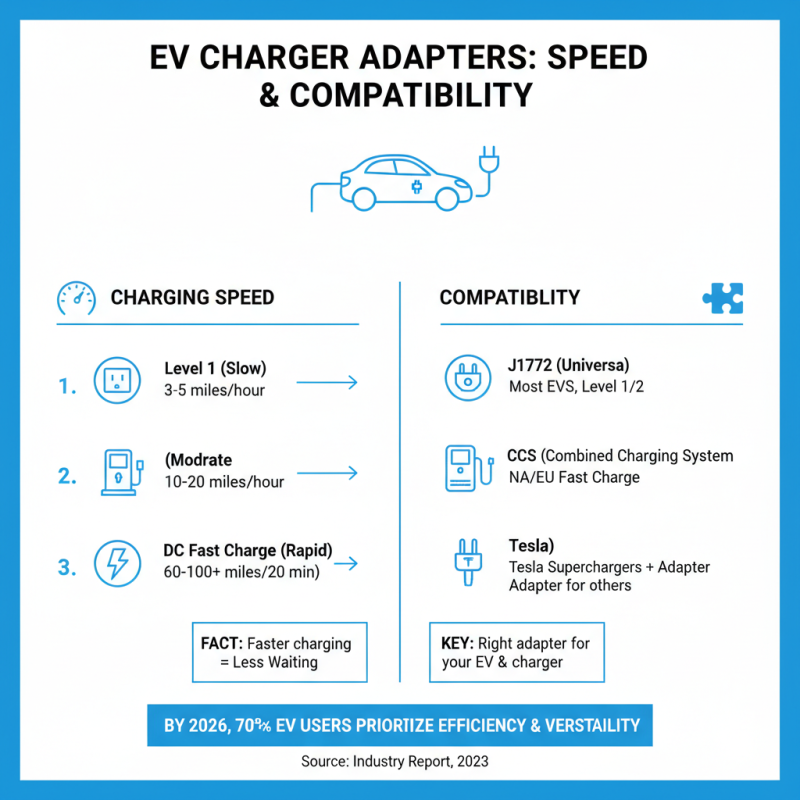
Charging speeds and compatibility are critical factors in choosing EV car charger adapters. The market has expanded rapidly. According to a recent industry report, by 2026, over 70% of EV users will prioritize charging efficiency and versatility. This reflects a growing awareness of the need for faster and more reliable charging options.
Many adapters now offer charging speeds up to 350 kW. This is a significant upgrade, compared to older models. Fast charging can reduce charging times to as little as 15 minutes for some vehicles. However, compatibility remains a challenge. Not all adapters can cater to every EV model. Some may work well with mainstream brands, yet fail with niche electric cars. Industry experts recommend checking compatibility thoroughly before purchasing.
In practice, users often overlook the fine print. Many adapters have hidden limitations. For instance, while an adapter might advertise fast charging, it may only support certain battery types. This can lead to frustrating experiences for drivers. A focus on specifications is crucial. Understanding power output and input variables will ensure better choices.
Future Trends in EV Car Charger Adapter Technology
The future of EV car charger adapter technology is exciting. Innovations are on the rise. We can expect improved charging speeds and compatibility. The focus will be on universal adapter designs. This will make charging more accessible for all EV types.
Tips: Look for adapters that support multiple charging standards. This feature can save you headaches in the future. Also, consider the charging speed. Some adapters may take longer than others.
Wireless charging is another trend. Imagine charging your EV without plugging it in. This technology is still developing but holds promise. However, its efficiency needs to be addressed. It's crucial to reflect on such advancements and their impact on daily use.
Incorporating smart technology is also key. Adapters can become smart tools. They could manage charge times based on energy rates. This feature may help reduce costs. But it raises questions about privacy and data security. Keeping these concerns in mind is essential as we move forward.
Best EV Car Charger Adapter Trends in 2026