Best EV Charger Adapter Options for Your Electric Vehicle?
As electric vehicles (EVs) gain popularity, the demand for efficient EV Charger Adapters increases. According to a recent industry report by the International Energy Agency (IEA), global EV sales surged by over 40% in 2022. This trend indicates a growing need for reliable charging solutions. The right EV Charger Adapter is essential to ensure compatibility and speed in charging, making it vital for EV owners to choose wisely.
Expert insights highlight this importance. “Choosing the right EV Charger Adapter can significantly affect your charging experience and efficiency,” says Dr. Emily Chen, a leading authority in the EV solutions sector. With so many options available, navigating through them can be challenging. Some adapters may lack features, while others could be overpriced. This variability often leaves consumers puzzled and frustrated.
Additionally, the complexity of different standards across regions poses further challenges. Not all adapters meet the needs of every EV model. This inconsistency can lead to inefficiencies and potential damage. It's crucial to scrutinize specifications and customer feedback before investing. A well-chosen EV Charger Adapter can enhance your EV ownership experience considerably, yet many still overlook this critical component.
Understanding EV Charger Adapters: Key Features and Compatibility
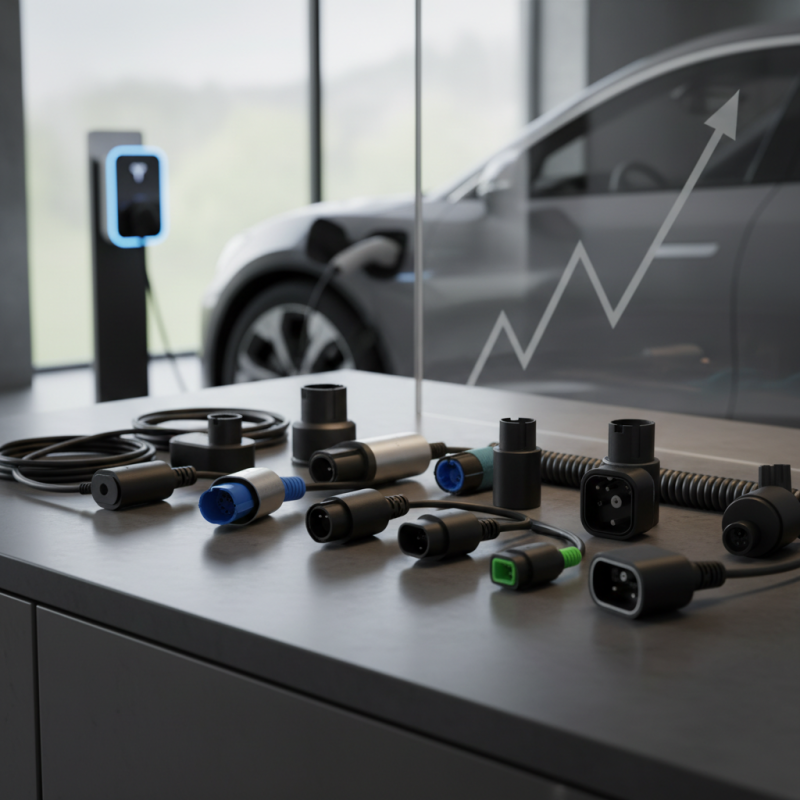
Understanding EV Charger Adapters is crucial for electric vehicle (EV) owners. These adapters allow you to connect your vehicle to various charging stations. The right adapter must match your EV's plug type. Key features to consider include charging speed and compatibility with different outlets.
Tips: Always check your vehicle’s specifications. Not all EVs use the same adapter. Know your options before purchasing. Many adapters only work with specific brands. Some might not support fast charging.
Compatibility is essential. An adapter that fits well will provide efficient charging. Poorly designed adapters can cause overheating or slow charging. Look for options that have safety features. They should protect against power surges. Evaluating user reviews and product specifications helps in making an informed choice.
Types of EV Charger Adapters: Level 1, Level 2, and DC Fast Chargers
When it comes to charging your electric vehicle, understanding the different types of EV charger adapters is essential.
Level 1 chargers are the most basic. They use a standard household outlet. Charging is slow, often taking over 12 hours for a full charge. While this is convenient for overnight use, it may not be sufficient for daily needs.
Level 2 chargers provide faster charging. They require a dedicated 240-volt outlet. Charging can be completed in just a few hours, making them a popular choice for home and public use.
Many public charging stations feature Level 2 options, which can be found in various locations—shopping centers, restaurants, and more.
DC Fast Chargers are a game-changer. They can charge your vehicle in under an hour. However, they are more expensive and not as widely available. This option is primarily found along major highways for long-distance travel.
Tips: Make sure to check your vehicle's compatibility with available chargers. Not all vehicles can use every charging type. Look for opportunities to install a Level 2 charger at home for added convenience. It often pays off in time saved.
As you consider charging options, reflect on your usage patterns. Do you commute daily or take long trips? This will influence your choice between different chargers. Adaptability and planning can lead to a smoother EV experience.
Top Brands and Models of EV Charger Adapters for Electric Vehicles
When considering EV charger adapters, the choice can be overwhelming. There are many factors to consider, such as compatibility and charging speed. Some adapters are designed for specific vehicle types, while others boast universal compatibility. This versatility is crucial for shared households with different electric vehicles.
Top-rated models often feature durable construction and safety certifications. Users typically appreciate designs that allow for easy plugging and unplugging. Yet, not all adapters provide the same performance. Some may struggle with overheating, leading to longer charging times. Others might limit the power output, which can be frustrating during hurried trips.
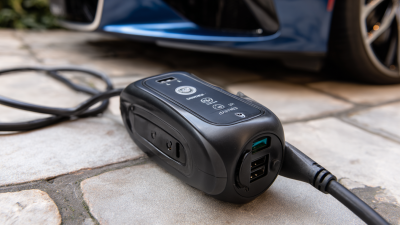
Many consumers highlight the importance of portability in their decisions. Compact and lightweight options can be advantageous for those with limited trunk space. However, some reviews reveal a common complaint: the cable length may not meet expectations. It’s essential to balance convenience with functionality to find the best fit for your needs.
Best EV Charger Adapter Options for Your Electric Vehicle
This chart displays the charging speeds of various EV charger adapter types, illustrating their performance in kilowatts. It provides an overview of which adapters offer faster charging capabilities, aiding in the selection of a suitable option for electric vehicle owners.
Installation Considerations for EV Charger Adapters at Home and on the Go
When installing EV charger adapters at home, consider your electrical system’s capacity. Homes built before 2000 might lack the necessary wiring. Inadequate wiring can lead to overheating or equipment failure. According to a recent industry report, around 30% of existing homes may need upgrades before a Level 2 charger can be installed safely. A proper assessment is crucial.
On the go, charging options vary greatly. Public charging stations often have different plug types. It’s essential to know which adapters are compatible with your vehicle. Data shows that 43% of EV drivers faced challenges due to mismatched plug types. Carrying a universal adapter can resolve some of these issues. However, these adapters sometimes lack the fast charging capabilities of dedicated chargers. Not all adapters are created equal, potentially leading to slower charging times. Be cautious and do your research before purchasing one.
Cost Analysis: Budgeting for EV Charger Adapters and Accessories
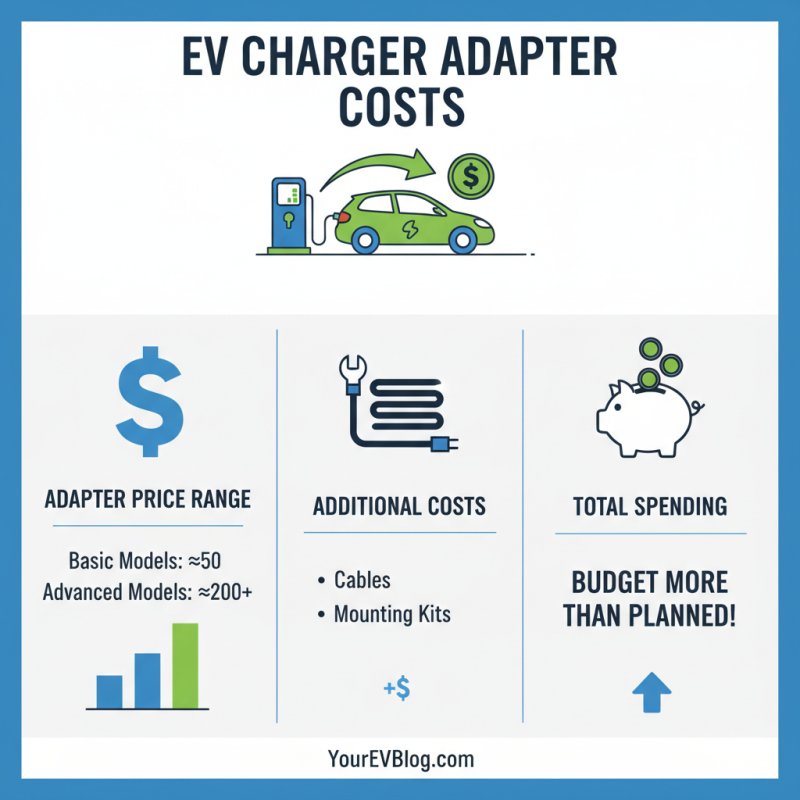
When considering EV charger adapters, it's crucial to analyze costs carefully. The price of adapters can vary widely. Some basic models start around $50, while advanced ones may reach $200 or more. Additional accessories, like cables or mounting kits, add to the total. Be prepared to spend a little more than you initially planned.
Budgeting for these items is essential for EV owners. A good approach is to allocate funds for both the charger and any necessary extras. Maintenance costs can also come into play; ensure you factor those in. Remember, it’s not just the upfront price. Sometimes, cheaper options result in higher costs later on. Researching compatibility and durability might save you money in the long run.
Many users underestimate the expenses associated with EV accessories. It’s easy to overlook small items like adapters or installation fees. Even with the best intentions, you might face unexpected challenges. Choose wisely and plan your budget accordingly. This takes thoughtful consideration of what you need. An ideal charging setup can enhance your driving experience in the long term.