Best Ev Connector Types for 2026 What You Need to Know?
As the electric vehicle (EV) market expands, understanding EV connector types becomes crucial. By 2026, advancements in technology will redefine charging solutions. Different EV connector types cater to various vehicle models and charging speeds. Navigating these options can be overwhelming, but informed choices lead to better efficiency.
The right EV connector influences both convenience and performance. Charging infrastructure is developing rapidly, yet challenges persist. Not all connectors are created equal; some may be less compatible with emerging models. Customers need to stay updated on which types are favored in the evolving market.
Exploring EV connectors involves weighing many factors. It is essential to consider factors like charging speed and vehicle compatibility. This information is vital for both consumers and industry professionals. With the shift toward sustainable transportation, staying informed about EV connectors is more important than ever.
Types of EV Connectors and Their Compatibility for 2026 Models
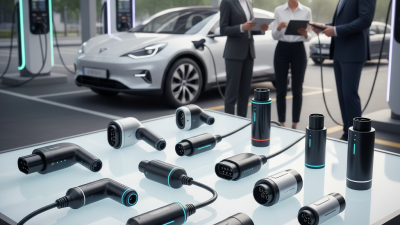
As electric vehicles (EVs) gain traction, understanding EV connector types becomes crucial for 2026 models. There are various EV connectors available. Each serves different purposes and ensures compatibility with charging stations. The main types include Type 1, Type 2, CCS, and CHAdeMO. These connectors influence charging speed and efficiency.
Type 1 connectors are common in North America. They offer a single-phase charging option. However, they may not support faster charging rates. Type 2 connectors provide a more robust solution. They facilitate three-phase charging and are prevalent in Europe. This broadens access across various charging points.
CCS and CHAdeMO represent fast-charging solutions. CCS combines AC and DC charging capabilities. On the other hand, CHAdeMO focuses on Japanese manufacturers. This can lead to compatibility issues for users with mixed vehicle types. Adapting to these differences requires careful consideration. Many EV owners could overlook the importance of understanding these connector types. Selecting the right connector is not just about convenience; it can significantly affect battery health and longevity.
Key Features of Popular EV Connector Types in 2026
As the electric vehicle (EV) market grows, understanding connector types becomes essential. The International Electrotechnical Commission (IEC) highlights three main connector types in the 2026 landscape: CCS, CHAdeMO, and Tesla's proprietary connectors. Each serves distinct purposes, reflecting diverse charging needs.
CCS (Combined Charging System) is gaining popularity due to its capacity for fast charging. Reports suggest that CCS can deliver up to 350 kW, significantly reducing charge time. This feature is appealing as many consumers prioritize efficiency. Meanwhile, CHAdeMO connectors cater predominantly to Japanese EVs, offering versatility but lacking in speed compared to CCS. In 2026, it is crucial to consider charging infrastructure, as some areas will still depend largely on CHAdeMO stations.
Tesla's connector remains a dominant player, especially in North America. Tesla vehicles can achieve impressive fast-charging speeds, but accessibility remains an issue for non-Tesla EVs. This fragmentation in connector availability may confuse consumers and hinder the transition to electric mobility. Engineers and industry experts need to address standardization challenges for better public adoption and infrastructure development. Ultimately, understanding these key features will be vital as consumers navigate the evolving EV landscape.
Best EV Connector Types for 2026
Installation Considerations for Different EV Connector Types
When considering the installation of EV connectors, several types come into play. Different connectors cater to various vehicle models and charging needs. It's crucial to understand the specific requirements of your electric vehicle.
Wall connectors, for example, are great for home use. They can deliver high power and ensure quicker charging. However, they require a dedicated circuit and proper electrical capacity.
Installation settings also vary between connectors. Some, like the Type 2 connector, are more universal and suit multiple vehicles. Meanwhile, others might have specific installation demands, such as compatibility with unique charging networks.
Ensure your installation area is well-lit and easily accessible. It’s vital to verify compatibility with local regulations to avoid surprises. Keep in mind that, while many connectors are designed for reliability, installation mistakes can lead to safety hazards.
Consulting with a professional installer can help avoid uncertainties. They can assess your specific situation and guide you on the best connector type. Additionally, consider future upgrades as technology evolves rapidly in the EV space. This foresight can save you time and money in the long run, even if it may add some initial complexity to the project. Your choice today can impact your charging experience tomorrow.
Future Trends in EV Connector Technology and Infrastructure
As the electric vehicle (EV) market grows, so do the technologies that power it. The future of EV connector technology promises rapid advancements, aiming to enhance user experience and meet increasing demand. Smart charging solutions are becoming essential, enabling vehicles to communicate with charging stations. This development can optimize energy distribution, preventing grid overload during peak hours.
**Tips:** Consider the installation of home charging stations that support various connector types. This flexibility can make your charging experience smoother and future-proof.
Furthermore, the push for universal connectors is underway. Researchers are working on standards that can accommodate all types of EVs, promoting interoperability. However, achieving this goal will take time and collaboration across the industry. It's essential to remain informed about evolving standards as they may affect your vehicle’s compatibility.
**Tips:** Stay updated on local infrastructure projects. Knowing where fast-charging stations will be located ensures you'll always find a convenient charging option when on the road.
Reflecting on the rapid pace of change, challenges will emerge. Stakeholders will need to adapt quickly to avoid hindering growth. Flexibility and innovation will be key to overcoming these hurdles in the EV charging landscape.