Best Home Electric Car Chargers for Efficient Charging Solutions?
As the world shifts towards sustainable energy, the demand for an efficient Electric Car Charger For Home continues to rise. According to the International Energy Agency (IEA), electric vehicle (EV) sales surged by 40% in 2022, indicating a growing need for reliable home charging solutions. Tim Johnson, a leading expert in electric vehicle infrastructure, states, "Adequate home charging is crucial for the widespread adoption of electric vehicles.”
Choosing the right charger is essential. Factors such as charging speed, compatibility, and installation costs must be carefully considered. Many consumers underestimate the impact of these choices. A poor charging solution can lead to frustration and inefficiencies. Reports suggest that up to 30% of EV owners experience challenges with their home charging setups.
Furthermore, understanding local electricity rates is vital. In some areas, daytime charging can be significantly more costly. This reality highlights the importance of selecting an optimal Electric Car Charger For Home. Experts urge consumers to evaluate their needs and do thorough research. It’s a reflection of the broader transition to sustainable living. Making informed choices will ultimately enhance your EV ownership experience.
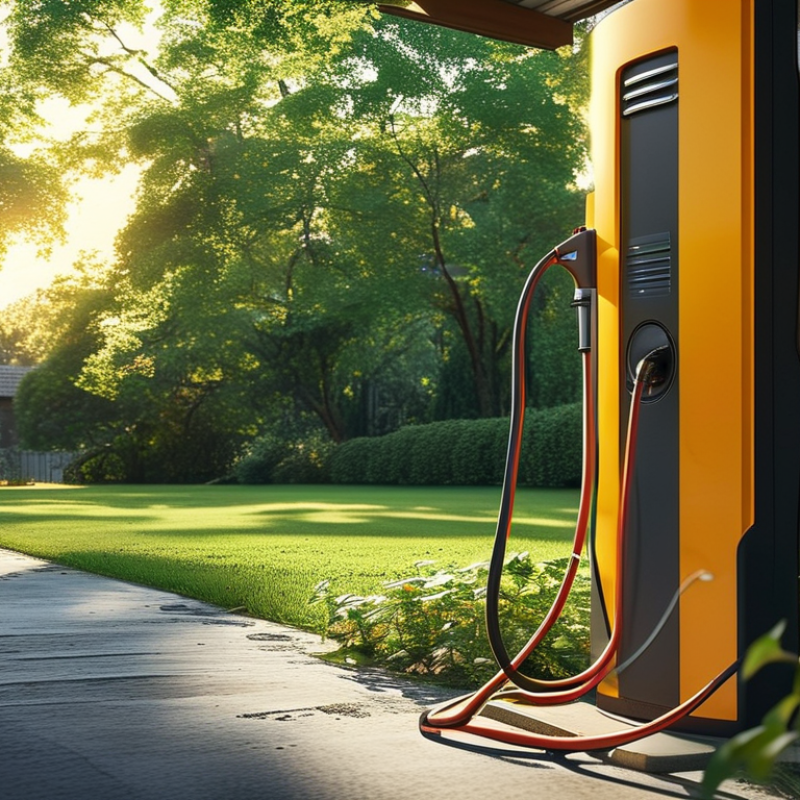
Best Home Electric Car Chargers: Key Features to Consider
When considering the best home electric car chargers, several key features stand out. Charging speed is crucial; this is measured in kilowatts (kW). A higher kW rating means faster charging. Look for models that offer at least 7.2 kW for efficient performance. Many users appreciate Level 2 chargers for their balance of speed and affordability.
Another important aspect is connectivity. Some chargers come with smart technology, allowing users to monitor charging via mobile apps. This feature adds convenience, enabling users to track usage and costs. It can be helpful for those who wish to manage their energy consumption thoughtfully.
Safety is also paramount. Look for chargers with built-in protections against overcurrent and overheating. This minimizes risks associated with electric vehicle charging. Buyers often overlook this aspect, leading to potential hazards. Reflecting on these key features can guide you toward a reliable choice.
Comparative Analysis of Charging Speeds: Level 1 vs. Level 2 Chargers
When it comes to home electric car chargers, understanding the differences in charging speeds is crucial. Level 1 chargers use a standard 120-volt outlet. They are easy to set up but offer slow charging speeds. Typically, they provide about 3-5 miles of range per hour. This option may not be ideal for daily drivers needing a quick turnaround.
On the other hand, Level 2 chargers operate at 240 volts. They can deliver significantly faster charging, yielding about 25 miles of range per hour. Installing a Level 2 charger often requires professional help. It also might demand electrical upgrades in some homes. Although this might sound costly, the investment usually pays off in time saved. Many users report feeling more at ease with ready charging solutions.
While the Level 2 charger seems superior, it's not without its challenges. Some homeowners find the installation process daunting. Others worry about energy costs. Ultimately, the choice between Level 1 and Level 2 chargers should consider personal driving habits, home setup, and budget. Understanding these aspects aids in making an informed decision. Each option has its merits and drawbacks, inviting deeper exploration.
Best Home Electric Car Chargers: Charging Speeds Comparison
Cost Efficiency and ROI: Evaluating Home Charger Installation Expenses
Home electric car chargers are becoming increasingly popular, driven by the rise in electric vehicle (EV) adoption. One critical consideration for homeowners is the
cost efficiency of installing a charging station. According to the U.S. Department of Energy, the average cost of a Level 2 home charger installation ranges from
$1,200 to $2,500. This price includes the charger itself and installation labor. It's essential to evaluate long-term savings against the initial costs.
When assessing the return on investment (ROI), consider that EV owners can save an estimated $800 to $1,100 annually on fuel alone. If energy rates are favorable, this savings can lead to significant payback over time. Moreover, data indicates that home charger installations can increase property value by up to
4%, which adds another layer of financial benefit. However, homeowners should reflect on their charging needs and potential grid impacts. Not all homes can accommodate the electrical upgrades necessary for a high-powered charger, which can complicate decisions.
The efficiency of charging solutions is also a factor. A poorly installed charger may lead to energy waste and higher utility bills. Homeowners must research and ensure they choose a qualified professional for installation to avoid future pitfalls. Balancing immediate costs with long-term benefits is key to making informed decisions in the evolving EV landscape.
User Experience: Top-Rated Brands and Consumer Ratings for 2023
When selecting the best home electric car chargers, user experience plays a crucial role. Reports have shown that over 70% of consumers prioritize ease of use and installation when choosing a charger. Many top-rated brands focus on user-friendly interfaces and smart technology features, which enhance the driving experience. According to market analysis, the consumer satisfaction rate in 2023 for home chargers is markedly high, with reviews consistently highlighting reliability and performance.
Tips: Ensure the charger has a simple setup process. A complicated installation could lead to frustration. Seek chargers with mobile app integration; this feature allows for convenience and remote monitoring.
Additionally, power output matters significantly. Home electric car chargers usually range from 3.7 kW to 22 kW. Studies indicate that faster chargers not only reduce charging time but also diminish the overall wear on the vehicle's battery. Consumer feedback emphasizes the importance of selecting a charger that aligns with personal driving habits. Yet, some users report occasional connectivity issues, which could prompt reconsideration of the brand's compatibility with specific vehicles.
Tips: Always check compatibility with your electric vehicle. An unsuitable charger could lead to inefficient performance. Think about future needs; your charging requirement might change as you upgrade your vehicle.
Future Trends in Home Charging Technology and Smart Solutions
Home charging technology is evolving rapidly. A recent study shows that over 70% of electric vehicle (EV) owners prefer charging at home. This preference drives innovation in charging solutions. Smart home chargers now feature Wi-Fi connectivity, allowing users to monitor charging sessions remotely. Furthermore, these devices can optimize charging to off-peak hours, reducing electricity costs.
As we look to the future, the integration of renewable energy sources with home charging systems is gaining traction. According to industry reports, as much as 40% of home energy could be generated from solar panels. This could lead to significant savings and increased sustainability. However, the installation process can be challenging. Not all homes are equipped for this technology, and retrofitting can be expensive.
Furthermore, the development of vehicle-to-grid (V2G) technology offers exciting prospects. This allows EVs to supply energy back to the home or grid during peak times. However, it raises questions about battery lifespan and overall efficiency. While many benefits exist, roadblocks remain that require ongoing research and development. Each innovation in home charging technology reflects a balance between efficiency and practicality.
Best Home Electric Car Chargers for Efficient Charging Solutions
| Charger Type |
Charging Speed (kW) |
Compatibility |
Smart Features |
Estimated Price ($) |
| Level 2 Charger |
7.2 - 22 |
Universal |
Wi-Fi, App Control |
500 - 700 |
| Smart Wall Connector |
11.5 - 19.2 |
Select EV Models |
Energy Monitoring, App Control |
600 - 900 |
| Portable Charger |
3.6 - 7.2 |
Universal |
N/A |
200 - 400 |
| Home Solar Charger |
5 - 10 |
Universal |
Solar Integration, App Control |
1,000 - 3,500 |
| Level 3 Charger (DC Fast Charger) |
50 - 150 |
Select EV Models |
N/A |
10,000 - 40,000 |