China Best Level 2 Home Charger Options for Electric Vehicles Explained?
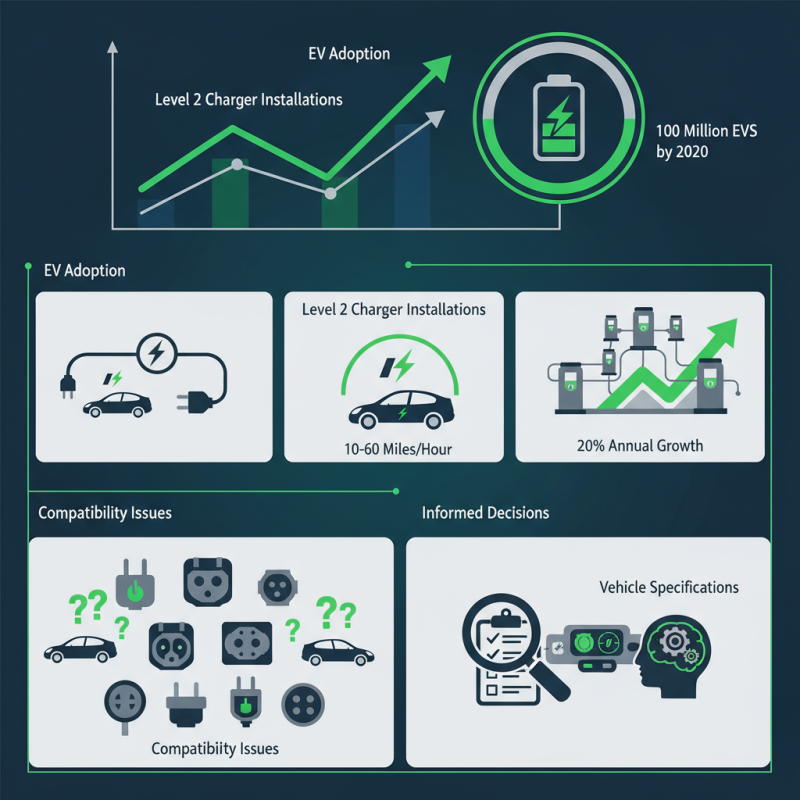
As electric vehicle (EV) adoption surges in China, the demand for efficient charging solutions grows. Reports indicate that by 2030, China could house over 100 million EVs. This shift highlights the importance of reliable charging infrastructure, particularly the Level 2 Home Charger, which offers faster charging times ideal for daily commuters.
These chargers can deliver around 10-60 miles of range per hour. With increasing mileage requirements, Level 2 options are becoming essential. Data shows that installations of Level 2 chargers are expected to increase by 20% annually. This rapid growth indicates a move towards building a sustainable ecosystem for electric mobility.
However, not all Level 2 Home Chargers are created equal. Some consumers have faced compatibility issues with different EV models. Buying a charger that doesn’t meet your needs is a common mistake. It’s vital to understand your vehicle's specifications before purchasing. Not every charger fits every situation, emphasizing the need for informed decisions. Each choice matters in a landscape evolving as quickly as the technology itself.
China's Growing EV Market and the Need for Level 2 Home Chargers
China’s electric vehicle (EV) market is expanding rapidly. By 2022, over 6 million EVs were sold in China, accounting for more than 50% of global sales, according to recent industry reports. This surge has created a significant demand for Level 2 home chargers. These chargers offer faster charging capabilities, making them ideal for urban dwellers.
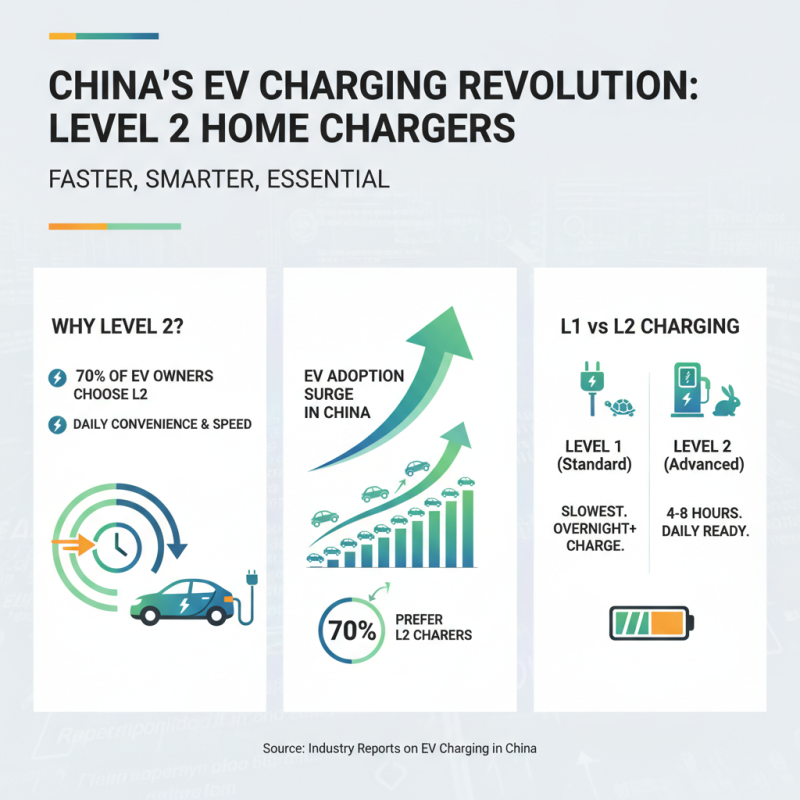
With the average EV battery capacity around 60 kWh, a Level 2 charger can replenish this in just 4-8 hours. This efficiency is crucial for many drivers who rely on overnight charging. However, the installation process can be tricky. Homeowners should ensure their electrical systems can support higher amperage output. Some may face challenges with their home wiring.
**Tip: Always consult a qualified electrician before installation.** They can assess your home’s electrical system and recommend the best setup.
The transition to electric is commendable, but infrastructure still needs improvements. Many cities lack sufficient charging stations. This gap creates anxiety among EV owners regarding long trips. A robust network of home charging solutions can ease some of these concerns.
**Tip: Consider joining community groups online for tips and support.** These groups can provide insights into the best practices for EV charging and maintenance.
China's Best Level 2 Home Charger Options for Electric Vehicles
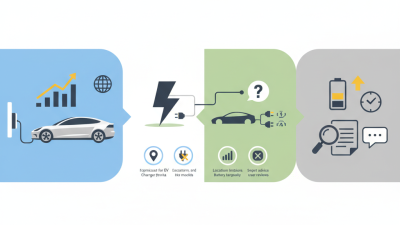
This chart illustrates the key metrics of Level 2 home chargers in China, including charging speed in kW, installation cost in CNY, monthly energy savings in CNY, and user satisfaction percentage. As the market for electric vehicles grows, understanding these factors helps consumers make informed decisions when selecting home charging solutions.
Overview of Level 2 Charging Technology and its Benefits for EV Owners
Level 2 charging technology is transformative for electric vehicle (EV) owners. It offers faster charging compared to standard Level 1 chargers. Home installations can deliver charging speeds of up to 25 miles of range per hour. This efficiency means EV owners can wake up to a fully charged vehicle every morning.
However, not all Level 2 chargers are created equal. Some models may have compatibility issues or require specific electrical setups. It’s crucial to research the right charger for your home and vehicle. An untested charger may lead to frustrating charging experiences.
Tips: Ensure your electrical panel can support the charger you choose. Consider the installation costs as well, as they can vary widely. Regularly assess how well your charger meets your needs, especially as your driving habits change. If you're constantly at home, prioritize a model with smart features that allow scheduling for off-peak rates.
Top Features to Consider When Choosing a Level 2 Home Charger
When choosing a Level 2 home charger for electric vehicles, several features are crucial. First, charging speed is vital. Most Level 2 chargers provide 240 volts, delivering anywhere from 3.3 to 19.2 kW. This means a full charge can take between 4 to 10 hours, depending on the vehicle’s battery size. A charger with higher kW can cut charging time significantly, which is crucial for users with daily commutes.
Connectivity features also play a significant role. Many modern chargers offer smart technology, allowing users to monitor and control charging through mobile apps. According to a 2022 industry report, 57% of EV owners value this functionality for convenience. Beyond app connectivity, consider safety features like overcurrent protection and built-in grounding, which enhance user confidence and charger reliability.
Lastly, cable length can impact installation and usability. Many chargers come with cables ranging from 16 to 25 feet. A longer cable allows for more flexible installation options and ease of use, especially in tight garage spaces. However, shorter cables lead to less clutter. Pay attention to the installation location as well; factors like local climate can affect charger performance. These considerations can lead to better decisions in the long run.
Review of Leading Level 2 Home Charger Brands in China
As electric vehicle (EV) adoption surges in China, choosing a reliable Level 2 home charger becomes essential. Level 2 chargers provide a faster and more efficient charging option compared to standard Level 1 chargers. Industry reports suggest that approximately 70% of EV owners prefer Level 2 chargers for their daily needs due to reduced charging times and increased convenience.
Many leading brands in China offer various Level 2 home charging solutions. These chargers boast different power outputs, ranging from 3.3 kW to 22 kW. The efficiency gains can be significant; for instance, a 7.2 kW charger can replenish an EV's battery within a few hours. However, some users find installation costs and compatibility issues can be barriers. Reports indicate that nearly 30% of consumers express concerns about installation logistics.
Further, user experiences highlight the variations in customer service and warranty support across brands. Reliability is often in question, with reviews revealing mixed feedback on charging performance over time. Investing in a Level 2 charger requires careful consideration, balancing features, and costs. While many options are available, no single solution fits all needs perfectly.
Installation and Cost Considerations for Level 2 Chargers at Home
When considering a Level 2 home charger for electric vehicles, installation and cost are vital factors. A qualified electrician should assess your home’s electrical system. This ensures your household can handle the additional load. Installation costs typically range from $800 to $2,500, depending on your location and complexity.
Location matters for installation. If your garage is detached, running wiring may be more expensive. Additional permits could add to the costs, based on local regulations. Investing in the right charger facilitates faster charging and makes daily use more convenient. It's important to select a charger that meets both your vehicle's specifications and future needs.
Consider potential upgrades to your electrical panel. In some cases, you might need to increase your home’s capacity to support a Level 2 charger. While this is an added expense, it could enhance your home’s value. Reflecting on these factors ensures a well-planned installation. This foresight helps avoid complications down the line, creating a smooth charging experience for years to come.