How to Choose the Best EVSE Charger for Your Electric Vehicle Needs
As electric vehicles (EVs) become increasingly mainstream, choosing the right Electric Vehicle Supply Equipment (EVSE) charger is crucial for both new and experienced EV owners. According to a report by the International Energy Agency, global electric car sales rose by 43% in 2020, highlighting the growing need for efficient and reliable charging infrastructure. With various types of EVSE chargers available—ranging from Level 1 home chargers to Level 3 fast chargers—it's essential to evaluate personal driving habits and specific vehicle requirements to make an informed decision.
Expert insights emphasize the importance of selecting the right EVSE charger tailored to individual needs. Dr. Emma Green, a renowned expert in EV infrastructure development, articulated this point succinctly: “Choosing the appropriate EVSE charger not only enhances the charging experience but also significantly impacts overall vehicle performance and longevity.” As the EV market continues to expand, understanding the nuances of EVSE chargers becomes paramount for maximizing convenience and ensuring that charging is as seamless as possible.
With considerations such as charging speed, compatibility with different vehicle models, and installation requirements, navigating the options available can be daunting. However, informed choices can lead to a smoother transition into electric mobility, making it crucial to stay updated on the latest advancements in EVSE charger technology and trends.
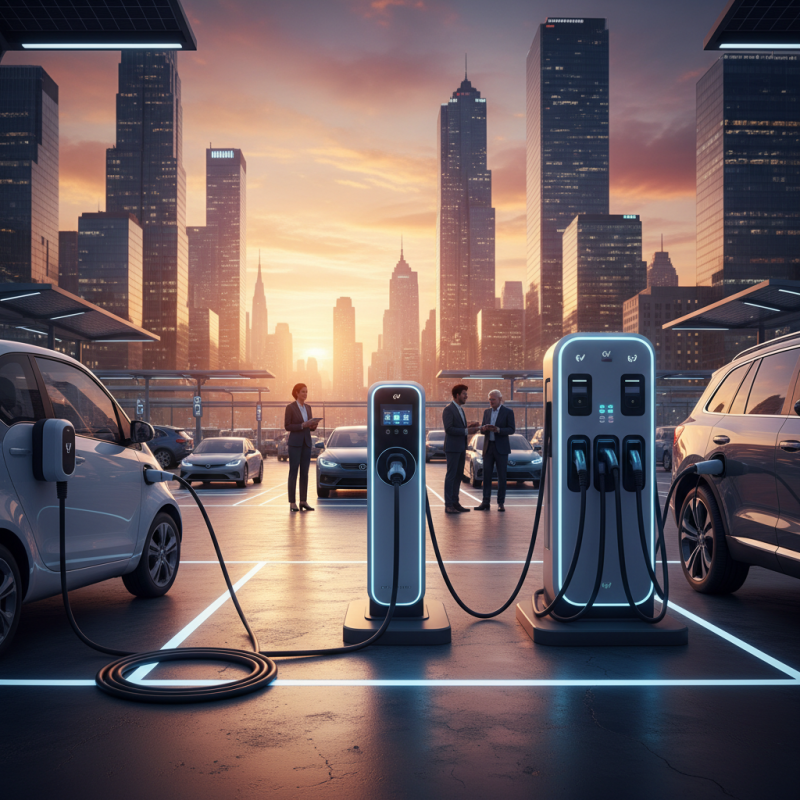
Understanding Electric Vehicle Supply Equipment (EVSE) Basics
Understanding Electric Vehicle Supply Equipment (EVSE) Basics is essential for anyone considering the adoption of electric vehicles (EVs). EVSE, commonly known as charging stations, is critical to the infrastructure that supports EVs, enabling them to recharge their batteries effectively. According to a report by the International Energy Agency (IEA), the number of public charging points worldwide has surged to about 1.5 million in 2022, showcasing the growing demand for EV infrastructure and the commitment towards sustainable transportation solutions.
When selecting the appropriate EVSE for your electric vehicle, it is important to grasp the various types available. There are primarily three levels of EVSE: Level 1, Level 2, and DC Fast Charging. Level 1 chargers, typically utilizing a standard household outlet, offer a slower charge and are suitable for home use, while Level 2 chargers provide a more rapid charging solution and are often found in commercial settings. DC Fast Chargers are designed for quick, high-power charging and are usually located along highways to facilitate long-distance travel. Research indicates that installing Level 2 charging stations can reduce charging time significantly, enhancing the usability of EVs and promoting their adoption.
Moreover, features such as charging speed, compatibility with different EV models, and advanced features like smart charging or app connectivity play an important role in the decision-making process. The latest studies suggest that incorporating smart technology in EVSE not only optimizes charging efficiency but also allows users to monitor and manage their energy consumption better. As demand for sustainable energy solutions continues to rise, understanding these basic aspects of EVSE will empower consumers to make informed choices that align with their needs and contribute to a greener future.
How to Choose the Best EVSE Charger for Your Electric Vehicle Needs
| Feature |
Description |
Considerations |
| Charging Speed |
Rate at which the charger can deliver power to the vehicle. |
Higher kW ratings provide faster charging. |
| Portability |
Whether the charger is easy to transport or install. |
Consider how often you will need to move the charger. |
| Connector Type |
Type of plug used to connect the charger to the vehicle. |
Ensure compatibility with your vehicle's charging port. |
| Smart Features |
Ability to connect to smartphones or home networks for enhanced control. |
Consider ease of use and functionality offered. |
| Price |
Cost of the EVSE charger. |
Balance between features and budget. |
| Installation Requirements |
Whether professional installation is needed for the charger. |
Check local regulations and electrical standards. |
| Safety Features |
Inbuilt safety mechanisms to prevent electrical hazards. |
Look for certifications and reviews regarding safety. |
Types of EVSE Chargers: Level 1, Level 2, and DC Fast Charging
When selecting the best Electric Vehicle Supply Equipment (EVSE) charger for your electric vehicle (EV), understanding the different types available is crucial. EV chargers are categorized into three primary levels: Level 1, Level 2, and DC Fast Charging. Level 1 chargers use a standard 120-volt outlet and are typically the slowest option, delivering about 4 to 5 miles of range per hour of charging. They are ideal for overnight home charging, especially for those with shorter daily commutes.
On the other hand, Level 2 chargers operate at 240 volts, which allows for a charging speed of approximately 10 to 20 miles of range per hour. According to the Electric Power Research Institute (EPRI), the majority of public charging stations utilize Level 2 technology, making them widely accessible for both residential and commercial use. DC Fast Charging is the most rapid option, providing up to 80% charge in as little as 30 minutes, making it perfect for road trips and long-distance travel. This type of charger is typically found at dedicated charging stations rather than residential settings.
**Tips:** When choosing the right EVSE charger for your needs, consider your daily driving range and charging location. If you regularly drive long distances, investing in a Level 2 charger or access to DC Fast Charging stations is advisable. Additionally, assess the electrical capacity of your home; a Level 2 charger may require an upgrade to your home's electrical system. Always calculate the total cost of installation and usage to ensure that your investment aligns with your driving habits and budget.
Types of EVSE Chargers: Charging Speed Comparison
This chart demonstrates the estimated charging time required for a full charge using different types of Electric Vehicle Supply Equipment (EVSE) chargers: Level 1, Level 2, and DC Fast Charging. The time varies significantly based on the charger type, with Level 1 being the slowest and DC Fast Charging providing the fastest charging solution.
Assessing Your Charging Needs Based on EV Model and Usage
When selecting the best Electric Vehicle Supply Equipment (EVSE) charger for your electric vehicle (EV), it’s crucial to assess your charging needs based on your specific EV model and usage patterns. Different EV models come with varying battery capacities and charging capabilities; for instance, some vehicles support faster chargers, while others do not. Data from the U.S. Department of Energy indicates that the average home charging rate for Level 2 chargers is around 240 volts, which can replenish about 25 miles of range per hour. Evaluating your daily commuting distance and the EV's mileage per charge can help determine whether a Level 1 or Level 2 charger is more suited for your needs.
Additionally, consider how often you intend to charge at home versus using public charging stations. According to the International Energy Agency (IEA), approximately 80% of EV charging occurs at home, which emphasizes the importance of a reliable home charging setup. For those who frequently undertake longer drives, investing in a higher wattage charger might make sense, as it can significantly reduce charging time. Moreover, if you regularly utilize your vehicle for work or travel, analyzing your typical route and the availability of charger locations can inform the decision on features such as smart charging capabilities. This strategic alignment of charger type with user habits ensures that you're not only meeting your immediate charging requirements but also optimizing the overall EV ownership experience.
Key Features to Consider When Choosing an EVSE Charger
When choosing an EVSE charger for your electric vehicle, it's essential to consider several key features that will enhance your charging experience. First, determine the charging speed you require. EVSE chargers come in various levels, with Level 1 providing the slowest charging through a standard outlet and Level 2 offering significantly faster charging options, ideal for home installations or public charging stations. Assess your daily driving habits to choose a charger that fits your needs, ensuring that you can recharge your vehicle without long wait times.
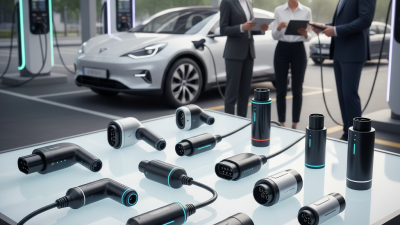
Another crucial factor is the compatibility with your electric vehicle. Not all chargers support the same connector types or voltages, so reviewing your vehicle's specifications is vital. Look for an EVSE charger that offers versatility, like multiple connector options or adjustable settings, to accommodate potential future vehicle purchases. Furthermore, consider safety features, such as overcurrent protection and weather-resistant housings, which can ensure safe and reliable operation in various environments. Investing in a charger with smart capabilities, like app integration or remote monitoring, can also enhance your overall charging strategy by allowing you to track usage and manage charging schedules efficiently.
Installation and Maintenance Considerations for EVSE Chargers
When considering the installation and maintenance of your Electric Vehicle Supply Equipment (EVSE) charger, there are several key factors to keep in mind to ensure optimal performance and longevity.
First, proper installation is crucial. It is advisable to hire a certified electrician familiar with local codes and regulations to handle the installation. This ensures that the electrical system can support the charger’s requirements and reduces the risk of potential hazards.
Tips: Assess the location where you intend to install the charger. Ensure it is accessible and has adequate space for vehicle maneuvering.
The installation area should be protected from the elements to enhance durability, and an appropriate power supply should be confirmed before proceeding.
When it comes to maintenance, regular checks can prolong the life of your EVSE charger. Clean the charger periodically to remove dust and debris, as this can affect its efficiency.
Furthermore, inspect cables and connectors for any signs of wear or damage. Addressing minor issues immediately can prevent costly repairs later on.
Tips: Keep the user manual handy and follow the manufacturer's guidelines for maintenance. If you encounter persistent issues, it is best to consult with a professional technician who can provide further support and ensure your charger operates safely and efficiently.