How to Choose the Right Electric EV Adapter for Your Car?
Choosing the right Electric EV Adapter for your car isn't always straightforward. Many drivers struggle to find the perfect match for their vehicle's needs. An electric vehicle brings unique charging requirements, making the choice crucial.
Different models and brands flood the market. Each adapter boasts features that may or may not suit your specific car. It’s easy to feel overwhelmed. Factors like charging speed, compatibility, and durability come into play. Some adapters work well in specific situations, while others do not.
Many drivers overlook the importance of quality. Sometimes, it’s tempting to select a cheaper option. However, a low-quality Electric EV Adapter could lead to inefficiencies. By reflecting on your options thoughtfully, you can ensure a better driving experience.
Understanding Electric Vehicle Charging Standards and Types
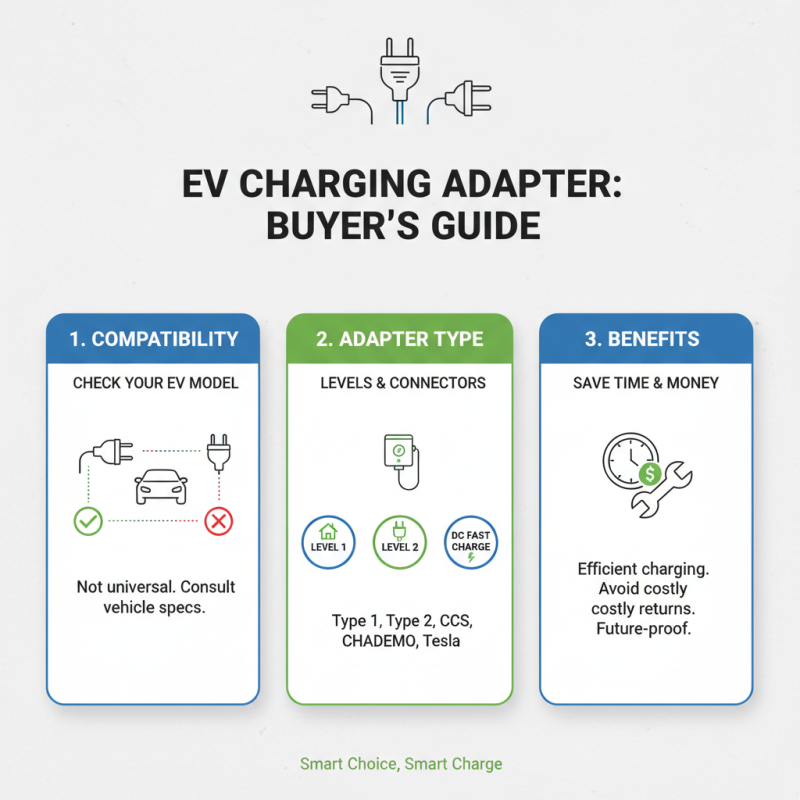
Choosing the right electric vehicle (EV) adapter starts with understanding charging standards. The most common standards include Level 1, Level 2, and DC Fast Charging.
Level 1 uses a standard outlet, providing low power. It's suitable for overnight charging, yet may be too slow for daily use. Data from the Electric Power Research Institute shows that only 20% of EV owners use Level 1 for daily charging.
Level 2 charging is more efficient. It delivers up to 240 volts and can fully charge many EVs in just a few hours. Approximately 70% of public charging stations offer Level 2. However, users face a challenge: not all adapters are compatible. Adapters vary based on connector types, such as Type 1 and Type 2. Compatibility issues arise frequently, leading to frustration among users.
DC Fast Charging stands apart. It charges an EV significantly faster, in as little as 30 minutes. However, it's essential to note that not all vehicles support this fast charging. Reports suggest that only 40% of EV models on the market are equipped for DC charging. Therefore, when selecting an adapter, consider your vehicle’s specifications and charging habits. Finding the right fit remains a key concern for many drivers.
Compatibility Check: Ensuring Adapter Fits Your Car's Charging Port
When selecting an electric vehicle (EV) adapter, compatibility is crucial. Different cars use various charging ports, which can confuse buyers. According to industry reports, around 25% of EV owners experience charging issues due to incompatible adapters. This indicates the importance of a proper compatibility check before making a purchase.
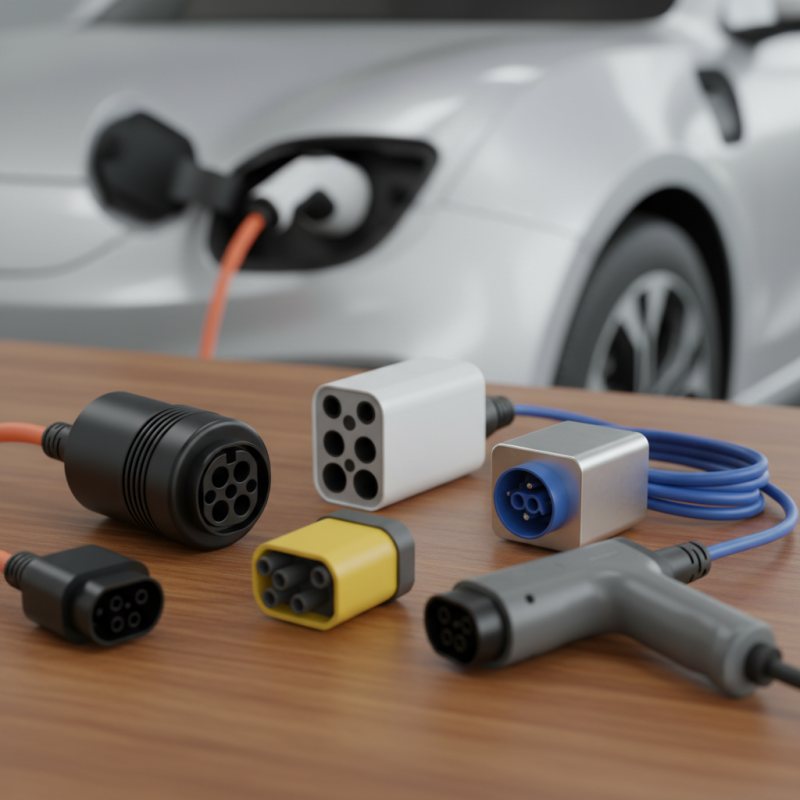
To ensure your adapter fits, start by identifying your car's charging port type. Commonly available options include Type 1, Type 2, and CCS connectors. Each type serves specific EVs. Research shows that around 40% of EV buyers overlook this detail, leading to frustration and wasted money. Utilize online resources to compare connector specifications.
Pay attention to the voltage and amperage ratings as well. A mismatch can cause slow charging or, worse, damage your vehicle’s battery. Recent data indicates that 15% of owners unknowingly use an adapter with insufficient ratings. Adapters that visibly appear compatible may still be unsuitable. It's essential to double-check specifications and consult manuals. Not taking these steps can result in significant inconveniences.
Evaluating Charging Speed: Level 1 vs. Level 2 Charging Adapters
When choosing an electric vehicle (EV) adapter, charging speed is a crucial factor. Level 1 and Level 2 charging adapters differ significantly. Level 1 adapters typically use standard 120-volt outlets. They provide a slow charge, often adding about 4 to 5 miles of range per hour. This method is suitable for overnight charging at home, but it might leave you stranded if you’re in a hurry.
Level 2 adapters, on the other hand, utilize 240-volt outlets. These adapters can deliver a much faster charge, offering 20 to 25 miles of range per hour. This option is ideal for those who need to recharge quickly during the day. However, installation costs can be high. Finding the right setup in your home may require a professional. Testing your options can be beneficial.
Not all EVs are compatible with every adapter type. It’s essential to check specifications for your vehicle. Charging stations vary in availability, too. Sometimes, you might arrive at a station only to find it's out of order. Being aware of these factors can help you make informed decisions. You might want to reassess your needs regularly as your driving habits evolve.
How to Choose the Right Electric EV Adapter for Your Car? - Evaluating Charging Speed: Level 1 vs. Level 2 Charging Adapters
| Adapter Type |
Charging Speed |
Voltage |
Amperage |
Estimated Charging Time (for 60 kWh battery) |
| Level 1 Adapter |
Slow |
120V |
12A |
20-24 hours |
| Level 2 Adapter |
Moderate |
240V |
30A |
4-8 hours |
| Fast Charging Adapter |
Fast |
480V |
100A |
30-60 minutes |