How to Choose the Right EV Charger Adapter for Your Electric Vehicle?
Choosing the right EV Charger Adapter can significantly impact your electric vehicle experience. As Peter Johnston, a leading expert in electric vehicle technology, states, “Finding the perfect adapter is as crucial as selecting the vehicle itself.” With various models and specifications available, navigating your options can feel overwhelming.
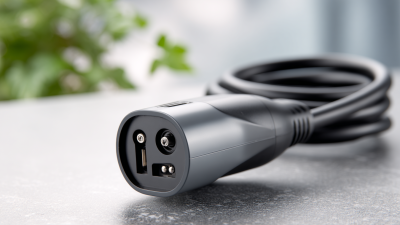
An EV Charger Adapter connects your vehicle to different charging stations. It's essential to understand compatibility, charging speed, and safety features. Some users may overlook these details, leading to frustration when their adapter fails to function properly. The right choice can enhance the efficiency of your vehicle’s charging process and extend its lifespan.
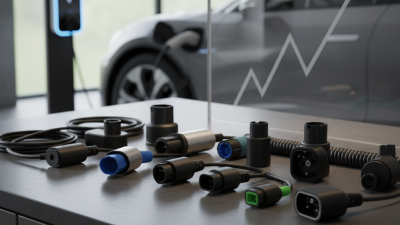
Consider the diverse range of adapters on the market. Some offer rapid charging capabilities, while others focus on portability. Evaluating your specific needs and vehicle requirements will ensure you make a sound decision. Remember, a misstep in choosing the correct EV Charger Adapter can leave you stranded or facing longer charging times. Therefore, investing time in research is vital for a smooth electric driving experience.
Understanding Electric Vehicle Charger Types and Standards
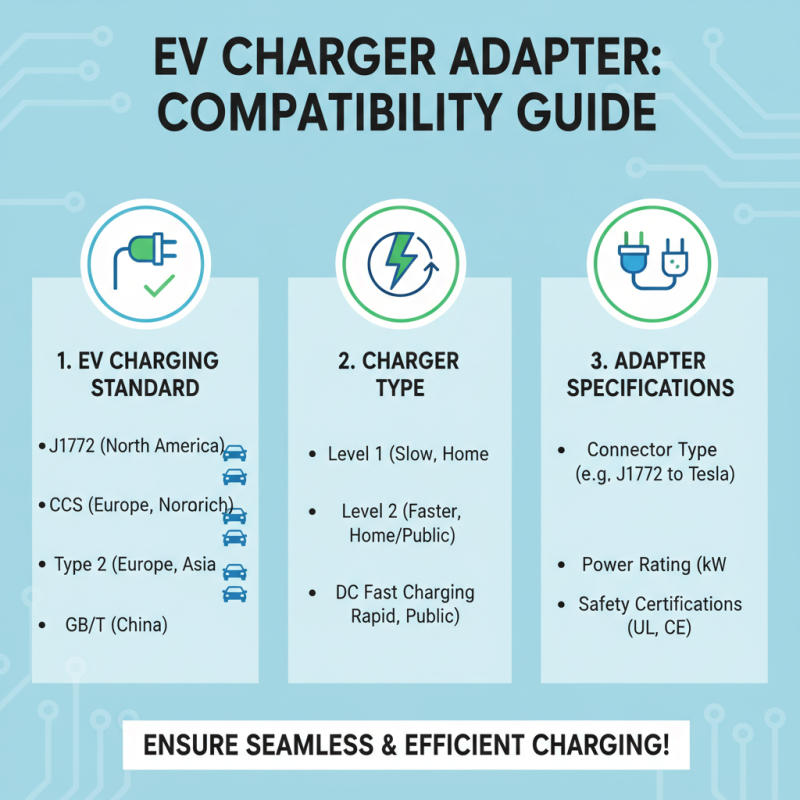
When considering an electric vehicle (EV) charger adapter, understanding the various charger types and standards is crucial. Different vehicles use compatible connectors that vary in charging speed and capacity. Common standards include Level 1, Level 2, and DC fast charging options. Level 1 chargers are convenient for home use but can be slow, while Level 2 chargers offer more efficiency. Fast charging, on the other hand, is ideal for quick top-ups on longer trips.
Each charger type uses specific plug designs, such as Type 1, Type 2, or CCS. Knowing the correct type for your vehicle helps avoid compatibility issues. Some adapters can bridge differences in connector types, but they may not always deliver optimal performance. Incorrect usage may lead to longer charging times or insufficient power delivery. This highlights the importance of researching the specific needs of your EV.
Choosing the right adapter also involves considering your charging locations. Some people may need a portable adapter for travel, while others may benefit from a stationary home setup. Weighing these options ensures a reliable and efficient charging experience. Remember to verify the voltage and power rating of the adapter to match your needs. Inadequate matching may lead to frustrating charging sessions.
Evaluating Your Electric Vehicle's Charging Compatibility
When evaluating your electric vehicle's charging compatibility, it's crucial to understand the various charging standards. Most electric vehicles (EVs) use different connectors, such as J1772 or CCS. Knowing which type your car uses can prevent confusion when purchasing an adapter. Check your vehicle’s manual or specifications online for clear details.
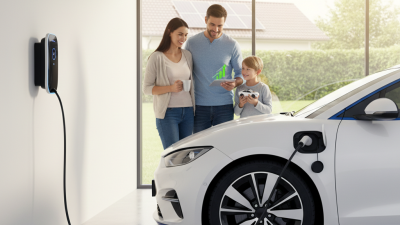
Consider your home charging situation. A Level 1 charger is convenient but slow. For quicker charging, a Level 2 charger is more efficient. Make sure your adapter supports the voltage needed for your home setup. You might find yourself needing multiple adapters. This can be a hassle, but it is often necessary for compatibility with public chargers.
Reflect on your travel habits. If you frequently travel long distances, ensure your adapter covers a variety of charging stations. Some stations may not support your vehicle's connector. Adapters can sometimes diminish charging speed. This is not always communicated clearly in product specifications.
Take time to investigate which adapters work best for your specific needs. A little effort can lead to a more satisfying EV experience.
Factors to Consider When Choosing an EV Charger Adapter
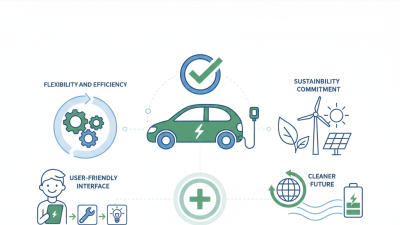
Choosing the right EV charger adapter is crucial for efficient charging. Several factors can affect your decision. One important factor is the compatibility with your electric vehicle. Different EVs use different charging standards, so ensure your adapter matches these requirements. This will help you avoid connectivity issues while charging your vehicle.
Another consideration is the power output. The charging speed varies with the output of the adapter. Some adapters provide faster charging, making it easier for you to get back on the road quickly. However, faster isn’t always better. It can stress your vehicle’s battery over time. Check the specifications of your EV to find a balanced option.
When selecting an adapter, check the build quality. A well-constructed adapter may withstand wear and tear better. Look for materials that resist heat and moisture. Also, ease of use matters. Choose an adapter with a user-friendly design. This will make plugging and unplugging easier.
**Tips**: Always read reviews before purchasing. User experiences can highlight potential issues. Consider future needs. If you upgrade to a more advanced EV, your adapter should still work. Lastly, verify warranty options. A good warranty can provide peace of mind.
Comparing Charger Adapter Features and Specifications
Choosing the right EV charger adapter is crucial for efficient vehicle charging. When comparing charger adapter features, consider power output, compatibility, and safety ratings. According to industry reports, nearly 70% of EV owners experience charging difficulties due to incompatible adapters. A good adapter should support higher kW ratings to ensure quicker charging.
Look for features such as weather resistance and built-in protection against overcurrent. The NFPA estimates that 20% of electric vehicle fires are linked to faulty equipment. Thus, using a reliable adapter can reduce safety risks significantly. An adapter with a flexible cord can improve usability, especially in tight parking spaces.
**Tips:** Always check your vehicle’s manual for compatible adapter specifications. Ensure the adapter supports your home’s electrical system, especially if considering faster charging options. Regularly inspect your equipment for wear and tear. This can prevent unexpected issues during charging, contributing to safer usage.
Comparison of EV Charger Adapter Types
This chart compares various EV charger adapter types based on their charging power output in kilowatts (kW). Each adapter type has its own power specifications, which affect charging speed and compatibility with different electric vehicles.
Installation and Safety Tips for Your EV Charger Adapter
When installing an EV charger adapter, safety should be your top priority. Ensure that your charging location is free of moisture and debris. Check for adequate power supply and compatibility with your vehicle. Use appropriate circuits to prevent overheating. Consider hiring a professional for installation to avoid common pitfalls. Many overlook the importance of grounding. A well-grounded system protects against electrical faults.
Regular maintenance is vital. Inspect your charger adapter for wear and tear. Signs of damage can hinder performance. Ensure that all connections are tight and free of corrosion. If you notice any issues, address them promptly. Educate yourself about the specific requirements of your vehicle and charger type. Each vehicle has unique characteristics that affect charging efficiency and safety.
Pay attention to local regulations concerning EV chargers. Some areas may have specific codes or standards. Always follow manufacturer instructions. It's also beneficial to engage with local EV communities. They can share experiences and tips. Understanding the nuances of your charging setup can enhance both safety and efficiency. Regularly revisiting your installation can lead to a better charging experience.
How to Choose the Right EV Charger Adapter for Your Electric Vehicle? - Installation and Safety Tips for Your EV Charger Adapter
| Adapter Type |
Charging Speed |
Compatibility |
Installation Requirements |
Safety Features |
| Type 1 (J1772) |
Level 1: 120V (Low Speed) |
Most American EVs |
Standard Home Outlet |
Overcurrent Protection |
| Type 2 (Mennekes) |
Level 2: 240V (Medium Speed) |
European EVs |
Dedicated Circuit |
Temperature Control |
| CCS (Combined Charging System) |
Level 3: 480V (Fast Charging) |
Various Global Brands |
High-Power Source |
Surge Protection |
| CHAdeMO |
Level 3: 400V (Fast Charging) |
Primarily Japanese EVs |
High-Power Source |
Short Circuit Protection |