Why Choose the Best EV Car Adapter for Your Electric Vehicle?
As electric vehicles (EVs) continue to gain popularity, the importance of a reliable EV car adapter has become increasingly clear. According to a recent report by the International Energy Agency, global sales of electric cars surged to over 6.6 million in 2021, marking a 100% increase from the previous year. With this rise in adoption, drivers face new challenges in ensuring efficient charging solutions. High-quality EV car adapters play a critical role in maximizing performance and ensuring safety during the charging process.
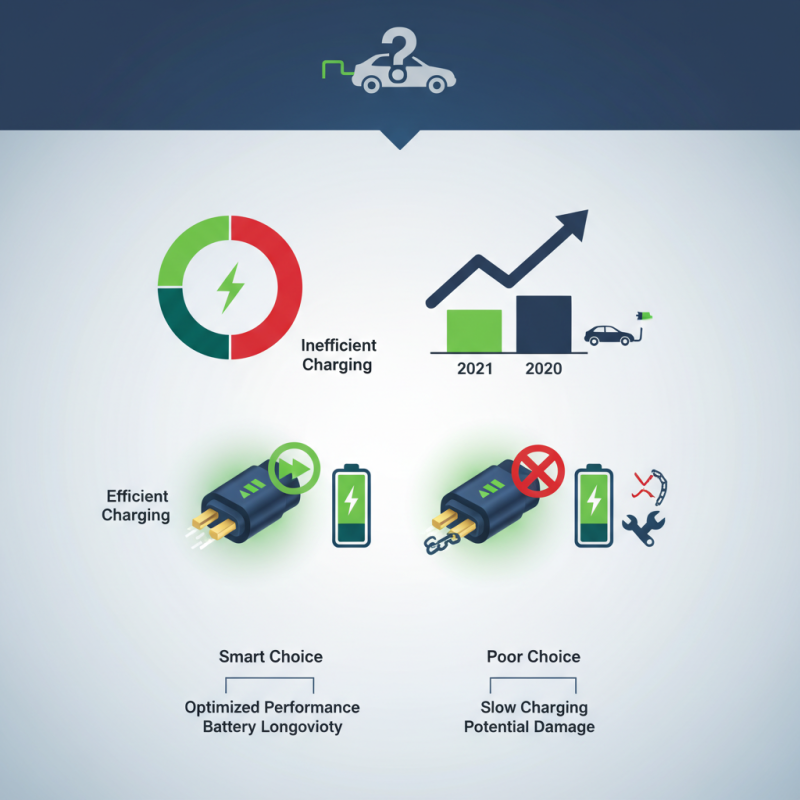
Choosing the right EV car adapter can impact charging speed and compatibility. Data indicates that not all adapters deliver the same level of efficiency, which can frustrate users. A poorly matched adapter can lead to longer charging times or even potential damage to an EV battery. Industry experts recommend evaluating adapter specifications carefully to avoid such pitfalls. In this rapidly evolving market, quality assurance and reliability become paramount.
While most EV owners recognize the need for an adapter, many are unaware of its significance. The wrong choice can lead not only to inefficiencies but also costly repairs. This underscores the necessity for thorough research and understanding of the available options. Investing in the best EV car adapter serves as a crucial step toward optimizing electric vehicle ownership.
Understanding the Importance of EV Car Adapters for Electric Vehicles
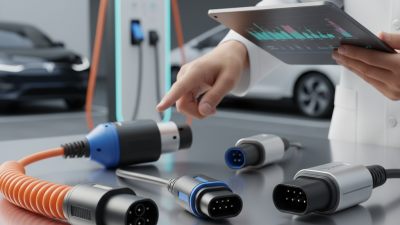
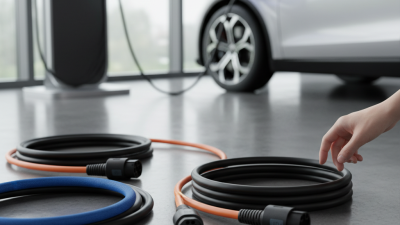
Electric vehicle (EV) car adapters are vital for optimizing charging efficiency. They connect your EV to various charging sources, ensuring compatibility and safety. A good adapter prevents overheating, which can lead to battery damage. Many drivers overlook this aspect, focusing mainly on the vehicle itself. However, an improper adapter can lead to frustrating experiences.
Safety is a major concern with EV adapters. Many low-quality adapters may pose risks, such as fire hazards. Choosing a well-reviewed, reliable product can make a significant difference. High-quality adapters are typically built with better materials, contributing to their durability. You might wonder how to verify quality. Researching user reviews and expert opinions is essential.
Additionally, understanding the technical specifications is key. Look for adapters that clearly state their charging capacities and compatibility with your vehicle. This information helps you make informed decisions. Some adapters may not support higher charging speeds, which can prolong your charging times. While it is tempting to opt for cheaper options, the long-term implications can be significant. Investing in a top-grade EV adapter ultimately enhances your electric vehicle experience.
Key Features to Look for in an EV Car Adapter
When selecting an EV car adapter, several key features elevate your charging experience. One crucial aspect is compatibility. Not every adapter works with all electric vehicles. Verify that the adapter suits your specific make and model. This detail is often overlooked, leading to frustrating charging failures.
Charging speed is another important consideration. Look for adapters that offer fast charging options. A well-rated adapter can significantly reduce your waiting time. However, be cautious; some fast chargers may heat up excessively. Always monitor the temperature during use to avoid potential dangers.
Finally, think about durability. An adapter should withstand different weather conditions. Check the build quality and materials used. Plastic adapters may not perform as well as those made from metal or reinforced materials. A few users have reported wear and tear within months. Investing time in research can prevent such disappointments.
Key Features of EV Car Adapters
Analyzing Charging Speeds: Level 1 vs. Level 2 EV Chargers
When it comes to charging your electric vehicle (EV), choosing the right charger is vital. EV chargers come in different levels, primarily Level 1 and Level 2. Understanding the differences can help you make an informed decision.
Level 1 chargers use a standard household outlet. They provide a low charging speed, often adding about 4 to 5 miles of range per hour. This means it can take a long time to fully charge an EV. For some drivers, this may be sufficient if they drive short distances daily. However, it may lead to inconvenient situations if unexpected travel arises.
Level 2 chargers, on the other hand, are designed for faster charging. They can deliver 10 to 60 miles of range in one hour, depending on the vehicle. Many charging stations and home charging solutions feature Level 2. Installing a Level 2 charger at home can save time and provide more flexibility. Yet, installing these chargers often requires professional assistance, which can be an added cost. This highlights the importance of weighing convenience against budget.
Why Choose the Best EV Car Adapter for Your Electric Vehicle? - Analyzing Charging Speeds: Level 1 vs. Level 2 EV Chargers
| Charging Level |
Voltage |
Amperage |
Charging Speed (miles/hour) |
Typical Usage Location |
| Level 1 |
120V |
12-15A |
4-5 miles/hour |
Home, standard outlets |
| Level 2 |
240V |
16-80A |
10-60 miles/hour |
Public charging stations, home charging systems |
Safety Standards and Certifications for Electric Vehicle Adapters
When selecting an electric vehicle (EV) adapter, safety standards are crucial. Adapters must meet specific certifications to ensure they can handle the unique demands of electric vehicles. For instance, UL certification is paramount. It guarantees that the product has undergone rigorous testing for safety and performance. In the rapidly evolving EV market, about 77% of consumers prioritize safety features in their charging equipment.
The National Fire Protection Association (NFPA) emphasizes the importance of adherence to safety standards. They found that improper installation and low-quality adapters can contribute to 30% of electric vehicle-related incidents. Many users overlook potential dangers when opting for cheaper adapters. A sturdy adapter minimizes risks significantly, as poor-quality products often lack the necessary safety mechanisms.
Additionally, the International Electrotechnical Commission (IEC) sets global standards for EV charging equipment. Compliance with these standards ensures compatibility and reliability. A report from the Global EV Outlook highlights that nearly 40% of EV users express concerns over the reliability of charging solutions. Any disconnect in quality can lead to failures in the system, ultimately affecting the user experience. Investing in certified adapters can alleviate these worries and promote safer charging options.
Cost Considerations: Balancing Price with Performance in EV Adapters
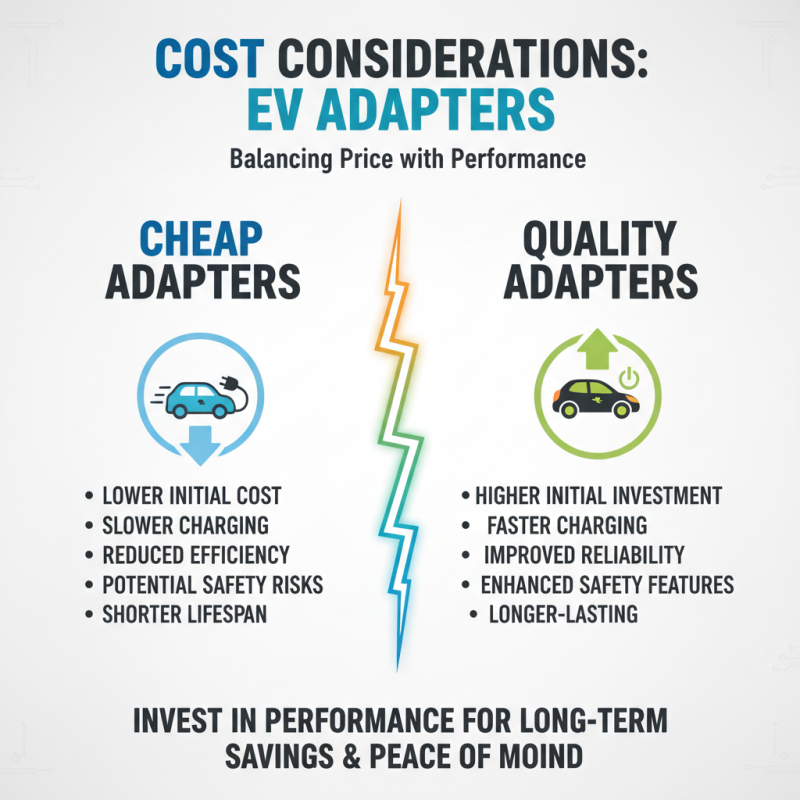
Selecting the right EV car adapter requires careful thought, especially regarding costs. Many people tend to opt for the cheapest option, believing it will save them money in the long run. However, low-cost adapters often compromise on performance. This can lead to slower charging times and potential safety hazards. Investing a bit more can provide a more reliable and efficient charging experience.
When comparing adapters, performance should not be overlooked. Look for features that enhance safety, such as overcurrent protection and durable materials. A higher initial cost may offer durability that saves you from frequent replacements. Consider the total cost of ownership, which includes both upfront and long-term expenses. Sometimes, a more expensive adapter pays itself off over time. Decisions that focus solely on upfront costs can lead to regrets later.
Research is key in this decision-making process. Gather reviews and seek expert opinions on the best value adapters. Think critically about what you really need. Are all those features worth the price? Balancing cost with performance is essential for a reliable solution. Quality should never be sacrificed merely for a lower price tag. The right choice can make charging your EV much more convenient and safe.