How to Choose the Best 240V EV Charger for Your Needs?
Choosing the right EV Charger 240V can significantly impact your electric vehicle experience. With various options available, understanding your specific needs is crucial. Factors like charging speed, safety features, and compatibility matter.
Many users overlook the importance of installation location. A well-placed charger can enhance convenience and reduce charging time. Additionally, consider the charger’s smart features. These can help you monitor energy consumption and control charging times.
Not every EV Charger 240V is designed equal. Researching brands and user reviews can help you avoid common mistakes. The right choice not only optimizes your vehicle’s performance but also ensures safety and efficiency in the long run. Make an informed decision for a seamless electric journey.
Factors to Consider When Selecting a 240V EV Charger
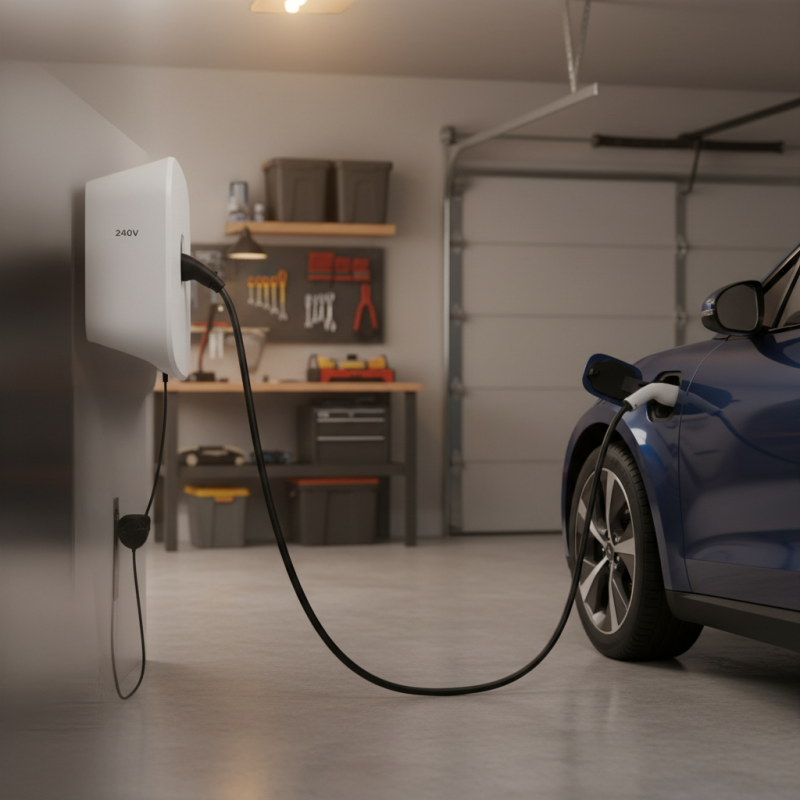
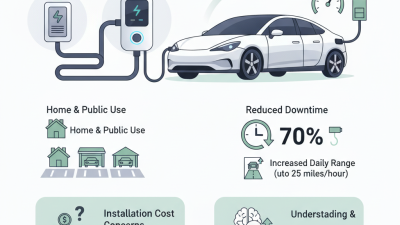
When selecting a 240V EV charger, various factors play a significant role. The charging speed is vital. A higher output rating, typically around 32 amps, allows for faster charging. This means less downtime for your vehicle. Charging location matters, too. Consider where you’ll install the charger, whether at home, work, or public spaces. It’s crucial to ensure proper installation to prevent safety hazards.
Compatibility with your vehicle is another essential point. Different EVs have distinct charging requirements. Check your vehicle’s specifications to avoid mismatches. It's also wise to think about future needs. As battery technology evolves, you may want a charger that can adapt to potential upgrades. Another reflection is on smart features. Many chargers now offer Wi-Fi connectivity, remote monitoring, and scheduling. Though they enhance convenience, they can complicate the initial setup.
Installation costs can vary and often catch buyers off guard. A professional installation might be necessary, which adds to overall expenses. While this promotes safety, it’s a factor worth considering in budgeting. Lastly, warranty and support from manufacturers carry weight. A reliable warranty reassures you about longevity. Keeping these reflections in mind ensures a well-informed decision.
How to Choose the Best 240V EV Charger for Your Needs? - Factors to Consider When Selecting a 240V EV Charger
| Feature |
Description |
Importance |
| Charging Speed |
Measured in kW, affects how quickly the vehicle can charge. |
High |
| Cable Length |
The length of the charging cable to reach your vehicle. |
Moderate |
| Portability |
Whether the charger can be moved easily or is fixed in place. |
Variable |
| Smart Features |
Wi-Fi connectivity, app control, and scheduled charging options. |
High |
| Safety Ratings |
Compliance with safety standards and certifications. |
Critical |
| Installation Requirements |
Needs for electrical upgrades or specific installation conditions. |
Moderate |
| Cost |
Initial purchase price, installation fees, and maintenance costs. |
High |
Understanding Different Charging Speeds and Their Impact
Charging speeds can significantly affect your electric vehicle (EV) experience. When choosing a 240V EV charger, understanding the different charging levels is crucial. Level 2 chargers, which operate at 240V, can charge an EV battery much faster than standard Level 1 chargers. Reports indicate that Level 2 units can deliver roughly 10 to 30 miles of range per hour, depending on the vehicle. This is vital for daily usage and convenience.
Notably, the impact of charging speed is often overlooked. While many EV owners might opt for a basic solution, it can lead to longer charging times. For instance, a vehicle that requires 40 kWh to fully charge might take 8-12 hours with a simple outlet. In contrast, a 240V charger could do this in approximately 4-6 hours, maximizing efficiency. This saves time and ensures that the vehicle is ready for use sooner.
Yet, it's essential to recognize the challenges. Not all households are equipped with a 240V outlet. Installation can require significant upfront investment and should be performed by a qualified electrician. Many users report doubts about the adaptability of their home setups. Assessing your home’s electrical capacity before deciding is always wise. Balancing needs and available resources is key in this process.
Evaluating Charger Compatibility with Your Electric Vehicle Model
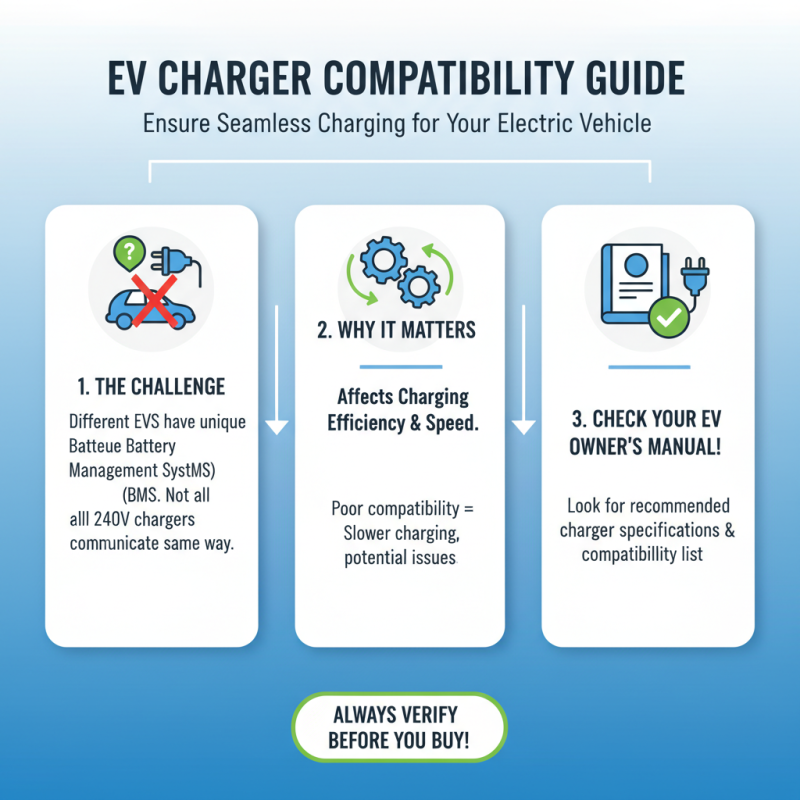
When choosing a 240V EV charger, compatibility with your electric vehicle (EV) is crucial. Different EV models have varying battery management systems. These systems dictate how the vehicle communicates with the charger. This communication affects charging efficiency and speed. Not all chargers work seamlessly with every car. You need to check your EV owner's manual for compatibility details.
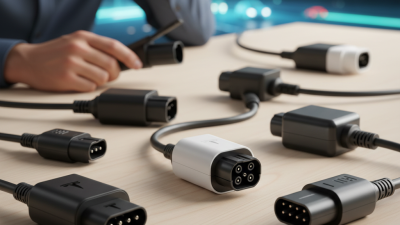
Additionally, consider the connector type. Most EVs utilize a standard connector, but some models may require an adapter. This oversight can lead to frustration. A user-friendly charger can ease the charging process. Look for features that enhance usability. Can you monitor the charge remotely? Is installation straightforward? Simple features can make a significant difference in your daily routine.
It’s important to weigh the long-term benefits versus initial costs. A cheaper charger may seem appealing, yet it might lack essential features, such as smart charging functions. Make sure to read user reviews and consider professional advice. Some options may look promising but fail to deliver reliability. Test various chargers if possible, to find the best fit for your situation.
Assessing Installation Requirements and Costs for 240V Chargers
When considering the installation of a 240V EV charger, there are important factors to assess. Installation requirements can vary significantly based on the location and existing electrical infrastructure. Most installations may require an electrical panel upgrade. According to the Electric Vehicle Infrastructure Deployment report, about 20% of homes need panel upgrades for optimal charging performance.
Costs can be unpredictable. Installation fees can range from $300 to $1,200, depending on the complexity. Labor costs may account for a substantial portion of this. According to the National Electrical Contractors Association, labor can represent nearly 60% of total installation costs. Homeowners need clear expectations about potential expenses.
Permits are often necessary. Cities may require inspections to ensure compliance with local regulations. This adds time and expense to the installation process. Many homeowners overlook these aspects. Planning ahead can save time and money. Understanding these requirements is crucial in choosing the best charger for specific needs.
EV Charger Installation Requirements and Costs Analysis
Examining Safety Features and Certifications for EV Chargers
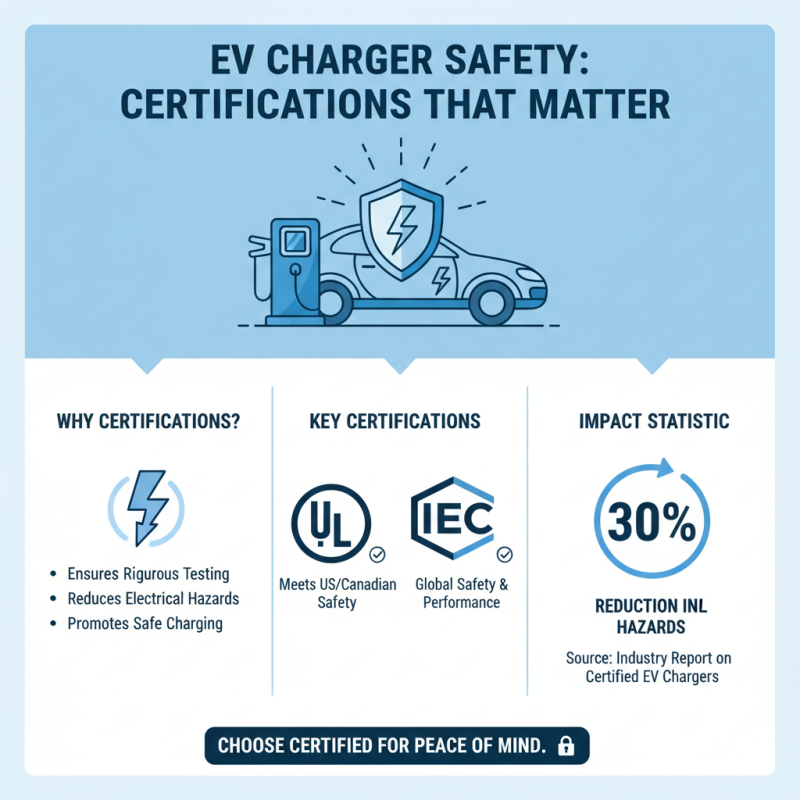
When considering a 240V EV charger, safety features and certifications are paramount. Look for chargers that meet UL and IEC standards. These certifications ensure that the charger has undergone rigorous testing. A recent industry report highlighted that chargers with these certifications reduce electrical hazards by nearly 30%. This statistic emphasizes the importance of choosing a certified product for safe charging practices.
Another key aspect involves the built-in safety features. Chargers should have protections against overload, short circuits, and over-voltage. In fact, data from the Electric Vehicle Association indicates that models with advanced safety mechanisms experience 40% fewer incidents of electrical failures. While opting for more features may increase costs, these investments can prevent significant damage or accidents.
Regularly updating firmware is also essential for maintaining safety. Some chargers have features that facilitate automatic updates, thus improving their reliability over time. Not all users will prioritize this aspect, though. Users must weigh convenience against the risk of outdated software. Ensuring robust safety in your charging system requires diligence and a willingness to invest in quality products.