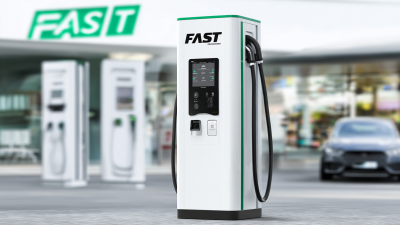
How to Choose the Best EV Home Chargers for Your Electric Vehicle
As the electric vehicle (EV) market continues to expand, the importance of selecting the right EV home chargers has never been more critical for aspiring and current EV owners alike. These chargers not only facilitate the convenience of charging at home but also impact the efficiency, speed, and overall experience of owning an electric vehicle. With various options available in terms of charging speeds, features, and installation requirements, choosing the best EV home chargers can seem daunting for many.
In this guide, we will explore the key factors to consider when evaluating different EV home chargers. Understanding the differences in charging levels, compatibility with your vehicle, and the available power sources are all essential components of making an informed decision. Furthermore, we will address the importance of future-proofing your investment, ensuring that your charging solution will accommodate developments in EV technology. By the end of this article, you'll be equipped with the necessary insights to choose the ideal EV home chargers that align with your specific needs and driving habits.

Understanding Electric Vehicle Charging Basics
Understanding the basics of electric vehicle (EV) charging is crucial for anyone considering the transition to an electric vehicle. There are primarily three types of charging levels: Level 1, Level 2, and DC Fast Charging. Level 1 charging utilizes a standard household outlet and is suitable for overnight charging, providing a slow but steady recharge. It's ideal for those with shorter commutes or who have the luxury of charging their vehicles over extended periods. However, this option may not meet the needs of every EV owner, especially those who drive longer distances.
Level 2 charging offers a significant upgrade, requiring a dedicated home charging station and enabling a much faster recharge compared to Level 1. This type of charger is typically recommended for most EV owners, as it can replenish the battery in a matter of hours rather than overnight. In contrast, DC Fast Charging is primarily used in public charging stations, delivering rapid power and allowing EVs to charge to a substantial level in under an hour. Understanding these charging levels can help EV owners make informed decisions when selecting home chargers that align with their driving habits and needs.
Types of Home EV Chargers and Their Features
When considering home EV chargers, it’s essential to understand the different types available and their respective features. Primarily, there are three main types of home chargers: Level 1, Level 2, and DC fast chargers. Level 1 chargers use a standard 120-volt outlet and are the most basic option. While they are ideal for overnight charging and require little installation, the charging speed is relatively slow, typically providing around 4-5 miles of range per hour.
Level 2 chargers operate at 240 volts and are more commonly used for home charging. They provide a significant increase in charging speed, offering approximately 25 miles of range per hour. This makes them suitable for daily drivers who need quicker turnaround times. Level 2 chargers often come with smart features such as Wi-Fi connectivity, allowing users to monitor charging sessions, schedule charging during off-peak hours, and receive notifications through a smartphone app. Lastly, DC fast chargers are generally reserved for commercial use and require specialized electrical infrastructure, providing rapid charging capabilities in a matter of minutes.
When selecting the right charger, consider the charging speed you need based on your vehicle usage and the typical conditions of your home setup. Additionally, these chargers can come equipped with various features such as safety protocols, weatherproof designs, and user-friendly interfaces, which can further enhance the charging experience. Evaluating your specific requirements alongside these features can significantly influence your decision-making process.
Evaluating Charging Speed and Compatibility
When choosing an EV home charger, a crucial aspect to consider is the charging speed. Chargers are generally categorized into three levels: Level 1, Level 2, and DC fast chargers. Level 1 chargers use a standard household outlet and are the slowest option, typically adding around 2-5 miles of range per hour. Level 2 chargers, on the other hand, require a dedicated circuit and can provide a more efficient charge, delivering 10-60 miles of range per hour, making them the most popular choice for home installations. Understanding your driving habits and the time you have available for charging will help you select a charger that meets your needs.
Compatibility with your electric vehicle is another essential factor when choosing a home charger. Different EV models may have specific requirements for charging, so ensuring that the charger you select is compatible with your vehicle's brand and charging port is critical. Most electric vehicles utilize a standard connector, but there can be exceptions depending on the model and manufacturer.
**Tips:** Always check the specifications of both the charger and your vehicle before making a purchase. To enhance charging efficiency, think about installing the charger in a location that is easily accessible and has sufficient power supply. If you’re considering future upgrades or a different EV model, look for chargers that offer flexibility in settings or features to accommodate changes in your vehicle technology.
How to Choose the Best EV Home Chargers for Your Electric Vehicle - Evaluating Charging Speed and Compatibility
| Charger Type |
Charging Speed (kW) |
Voltage (V) |
Connector Type |
Compatibility |
| Level 1 |
1.4 - 2.4 |
120 |
NEMA 5-15 |
Most EVs |
| Level 2 |
3.7 - 22 |
240 |
J1772 |
Most EVs |
| DC Fast Charger |
50 - 350 |
480 |
CCS, CHAdeMO |
Select EVs |
| Solar Charger |
Varies |
Varies |
Solar Inverter |
Most EVs |
Assessing Installation Requirements and Costs
When selecting the best electric vehicle (EV) home charger, it's essential to assess the installation requirements and costs involved. First, consider the electrical capacity of your home. Charging an EV typically requires a dedicated circuit, and it's important to determine whether your existing electrical panel can handle the additional load. If your electrical system needs an upgrade, it may involve hiring a licensed electrician, which can add to the overall cost.
Additionally, the location of the charger relative to the electrical panel plays a crucial role in installation costs. A shorter distance reduces the amount of wiring and labor needed, making it more affordable. You should also think about the installation environment; for example, if the charger will be installed indoors or outdoors, specific weather-resistant models may be required, which can influence pricing.
Overall, understanding these factors will help you make an informed decision about the total investment needed for your EV home charging solution.
Choosing the Right Charger for Your EV Model
When selecting a home charger for your electric vehicle (EV), it’s essential to consider the specific requirements of your EV model. Each EV has unique charging capabilities and battery specifications that can influence the type of charger you should install. For instance, some models support faster charging rates, while others may require a level 2 charger to achieve optimal charging times. Reviewing the manufacturer’s recommendations for your vehicle can help determine the best charging option to meet your EV’s needs.
Additionally, factors such as the charging location and your daily driving patterns play a significant role in charger selection. If you typically drive short distances, a lower-powered charger may suffice, allowing for overnight charging. Conversely, if you frequently take longer trips, investing in a charger with higher output may reduce waiting times during recharges. Also, considering features like smart charging capabilities can enhance your charging experience by allowing you to monitor and manage your charging sessions via smartphone apps. By carefully evaluating these aspects in relation to your EV model, you can ensure that you choose a charger that best suits both your vehicle and your lifestyle.
Electric Vehicle Charger Options