How to Choose the Best Wallbox Charger for Your Needs?
As electric vehicles (EVs) gain traction, the need for efficient charging solutions has become increasingly paramount. The Wallbox Charger stands out as a reliable option for homeowners and businesses alike. According to a recent report by the International Energy Agency, the number of EVs on the road has surged, reaching over 10 million globally in 2023. This growth places significant demand on charging infrastructure, making the choice of a Wallbox Charger critical.
Selecting the right Wallbox Charger requires a keen understanding of your specific needs. Factors such as charging speed, compatibility with your vehicle, and installation requirements are vital. A study by Frost & Sullivan indicates that fast chargers can reduce charging time by up to 80%. However, not all chargers are created equal. It's essential to consider future-proofing your investment, as technology continues to evolve. Many consumers might find themselves overwhelmed by various features, which makes thoughtful reflection essential.
Finally, while cost is an important factor, value should be prioritized. A good Wallbox Charger is an upfront investment but can offer long-term savings and convenience. Industry experts emphasize the importance of evaluating reliability and customer support over mere price. By doing so, you can make a well-informed decision that meets both current and future charging needs.
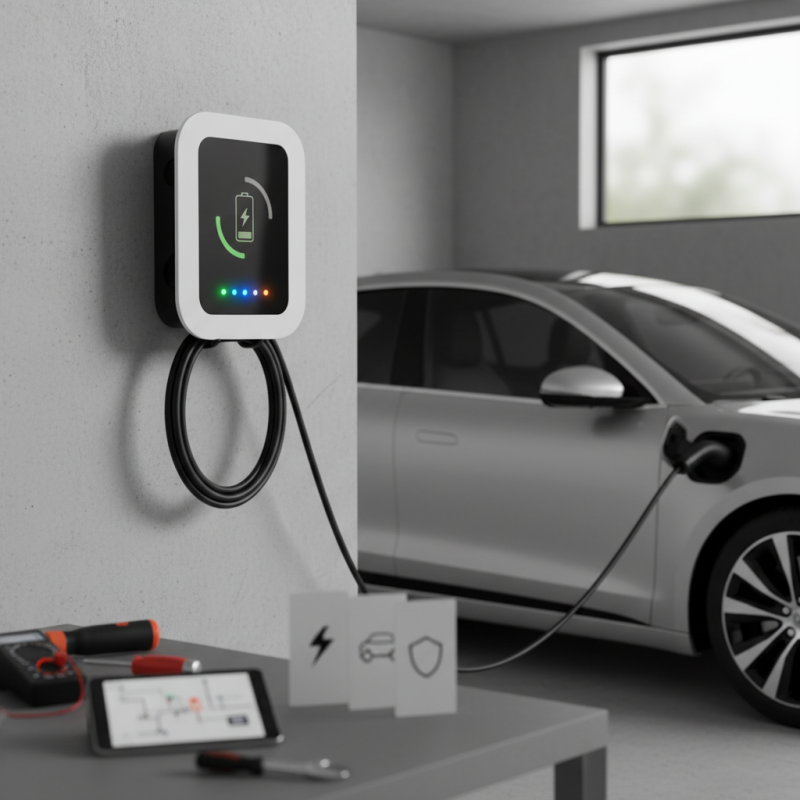
Understanding Your Electric Vehicle Charging Needs
Understanding your electric vehicle charging needs is essential for
choosing the right wallbox charger. Start by evaluating your driving habits.
Consider how often you use your vehicle and how far you typically travel.
If your daily commute is short, a lower-powered charger may suffice. However,
frequent long trips might require a more powerful charger
for efficient charging.
Next, think about your charging location. Do you plan to install the wallbox
at home, work, or both? A home installation often allows for more
flexibility in choosing the right charger. Assess your electrical capacity too.
Some homes may need upgrades to handle a higher-voltage charger.
An electrical inspection could uncover hidden issues.
Also, reflect on your preferences for charging speed.
Fast chargers can provide a full charge in a few hours,
while standard ones may take overnight. Not all chargers fit every situation.
Some users find they don’t use the fast charging options
as much as they thought. This can lead to unnecessary expenses.
Taking time to evaluate these aspects can help you make a well-informed decision.
It's crucial to balance your needs, technology, and budget.
Evaluating Different Types of Wallbox Chargers
When evaluating different types of wallbox chargers, consider your specific needs and requirements. There are several factors that can influence your decision. Charging speed is one of the most important. Level 1 chargers are suitable for slower charging, while Level 2 models offer faster options for quicker recharges.
Connector type matters as well. Some vehicles require specific connectors, and compatibility can be a real challenge. For homeowners, installation location is another factor. Will your charger be in the garage or outside? Weatherproof units may be necessary for outdoor settings. Not all wallboxes are built the same; some are more durable and user-friendly.
Finally, think about smart features. Many modern wallbox chargers come with app connectivity, allowing for monitoring and control from your smartphone. However, not all features may be necessary for everyone. Balancing cost against functionality is crucial. After considering these aspects, reassess your initial choice. The landscape of electric vehicle charging is evolving, and staying informed can guide you towards the right decision.
Comparison of Different Types of Wallbox Chargers
Key Features to Look for in a Wallbox Charger
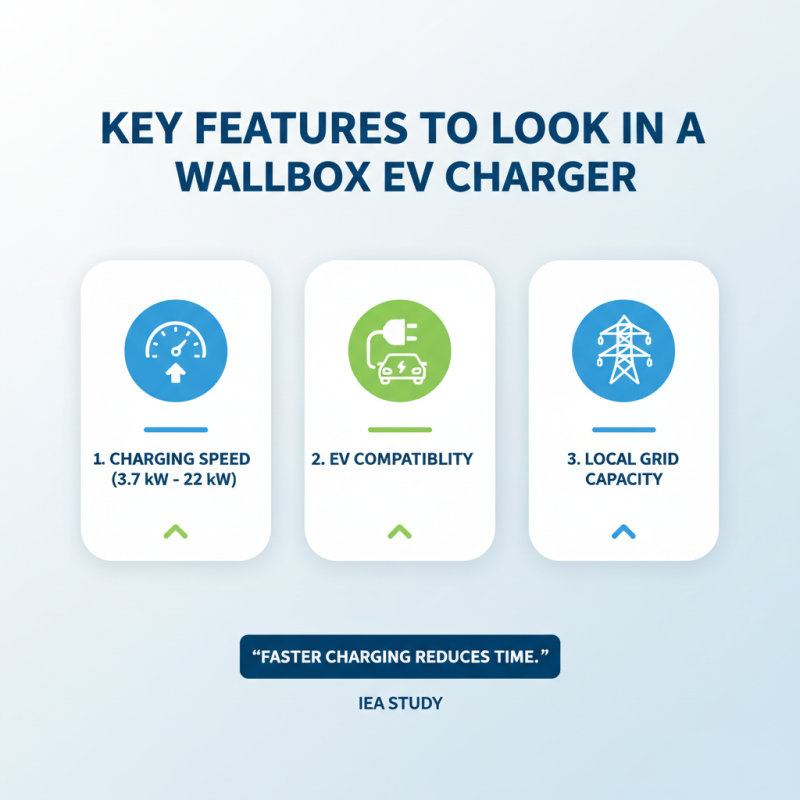
When selecting a wallbox charger, understanding key features is essential. The charging speed is one significant factor. Most wallbox chargers offer different power outputs, typically ranging from 3.7 kW to 22 kW. A study by the International Energy Agency (IEA) states that faster charging can significantly reduce the time spent at charging stations. However, it's vital to consider the compatibility with your electric vehicle (EV) and local grid capacity.
Another important feature to evaluate is safety certifications. Look for chargers that comply with international safety standards like IEC 61851 and UL 2202. These certifications indicate reliable operation and provide peace of mind. According to a report from the Electric Vehicle Charging Association, devices with solid safety ratings have fewer reported incidents, highlighting their reliability.
Moreover, smart charging capabilities are becoming more popular. Many wallbox chargers now include connectivity features, allowing you to schedule charging sessions. This is particularly useful during off-peak hours when electricity rates are lower. However, it’s essential to remember that not all smart features perform equally well under various conditions. User experiences vary, and sometimes firmware updates are needed for optimal functionality. Reflections on these aspects can greatly influence your overall satisfaction with the charger you choose.
Installation Considerations for Your Wallbox Charger
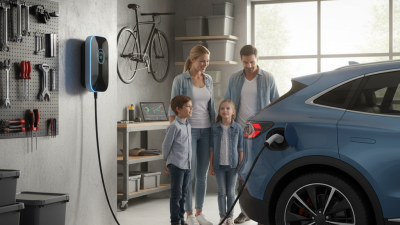
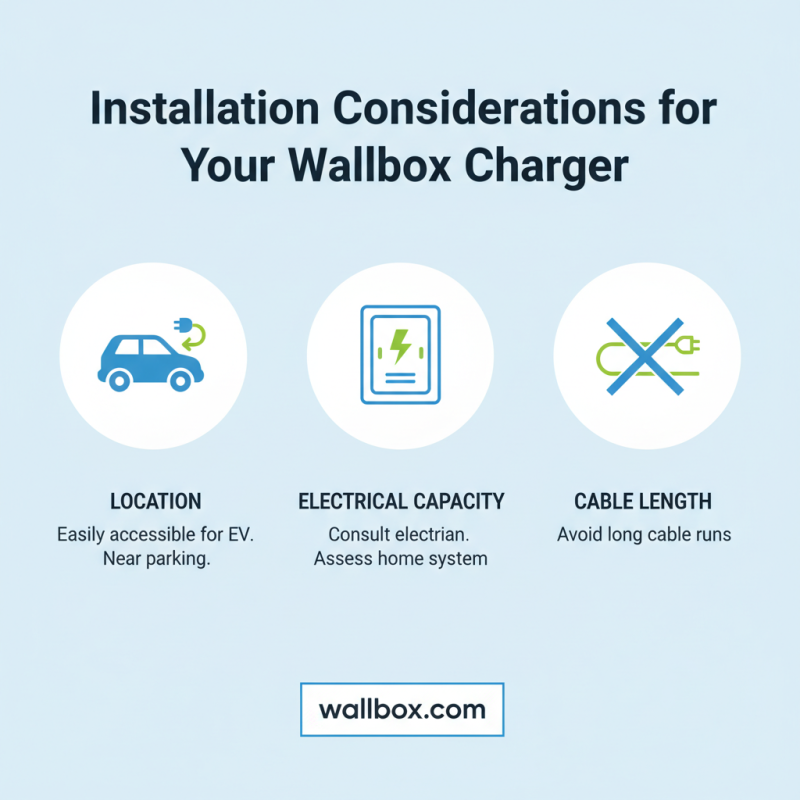
When considering the installation of a wallbox charger, several key factors come into play. First, the location is crucial. Choose a spot that is easily accessible for your electric vehicle. The charger should be placed near the vehicle’s parking space to avoid long cable runs. Think about your home’s electrical capacity as well. An electrician can help assess whether your system can handle the additional load.
Safety standards are another significant concern. Make sure the charger you select complies with local electrical codes. This ensures that the installation process is safe and reliable. Proper installation minimizes the risk of electrical hazards. Additionally, think about weather resistance. If the charger is outside, it should be built to withstand environmental conditions.
Installation frequency should also be considered. You may need to hire a professional for a seamless setup. An inexperienced person might overlook essential aspects or make errors. Reflecting on your values, are you prioritizing convenience or cost? Finding a balance between the two can be challenging. Understanding your needs before installation will lead to a more satisfactory outcome.
Comparing Costs and Brands of Wallbox Chargers
When exploring wallbox chargers, costs and brands are crucial factors. According to a recent industry report, the average cost for a residential wallbox unit ranges from $500 to $1,200. This price often reflects features like charging speed and compatibility with various electric vehicles. Consumers must weigh their budget against performance needs.
Brand reputation plays a significant role in decision-making. Many experts recommend considering factors such as warranty duration and customer support services. A survey found that 75% of users prioritize reliable customer service when choosing a charging solution. Additionally, the efficiency of charging can vary significantly between brands, impacting total energy costs over time.
Some chargers offer adjustable amperage settings. This flexibility can lead to energy savings, especially for those with solar power systems. However, not all users might need this feature. Assess your specific usage patterns. Certain options may be more suited for dedicated home use or frequent travel. The need for a balance between cost and functionality often leads to mixed reviews among users. Exploring user feedback can reveal insights on long-term satisfaction and reliability.
How to Choose the Best Wallbox Charger for Your Needs?
| Charger Type |
Charging Power (kW) |
Price Range ($) |
Installation Cost ($) |
Smart Features |
| Level 1 Charger |
1.4 - 2.4 |
300 - 600 |
100 - 200 |
No |
| Level 2 Charger |
3.3 - 22 |
500 - 1,200 |
200 - 500 |
Yes |
| DC Fast Charger |
24 - 350 |
10,000 - 40,000 |
1,000 - 5,000 |
Yes |
| Portable Charger |
1.4 - 3.7 |
200 - 800 |
0 |
No |