How to Choose the Right EV Adapter for Your Electric Vehicle?
Choosing the right EV adapter for your electric vehicle (EV) can be a daunting task. With the increasing adoption of EVs, understanding adapter compatibility is crucial. According to a recent report by the Electric Vehicle Charging Association, nearly 70% of EV owners encounter issues with compatibility among various charging networks. This highlights the need for informed decisions about EV adapters.
Industry expert Dr. Emily Harper emphasizes, "A well-chosen EV adapter can significantly enhance the charging experience." Her insights underline the importance of selecting adapters that align with your vehicle's specifications. The market offers various types, complicating the purchasing process. Without adequate knowledge, users may end up frustrated with inefficient charging options.
Moreover, not all adapters are created equal. Some may promise fast charging but fail to deliver due to safety standards. It's essential to weigh factors like charging speed, safety, and compatibility. A rush to purchase may lead to costly mistakes and wasted time. Thus, careful consideration of the EV adapter you choose can lead to a more satisfying EV ownership experience.
Understanding Different Types of EV Connectors and Adapters
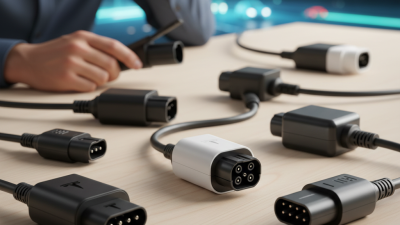
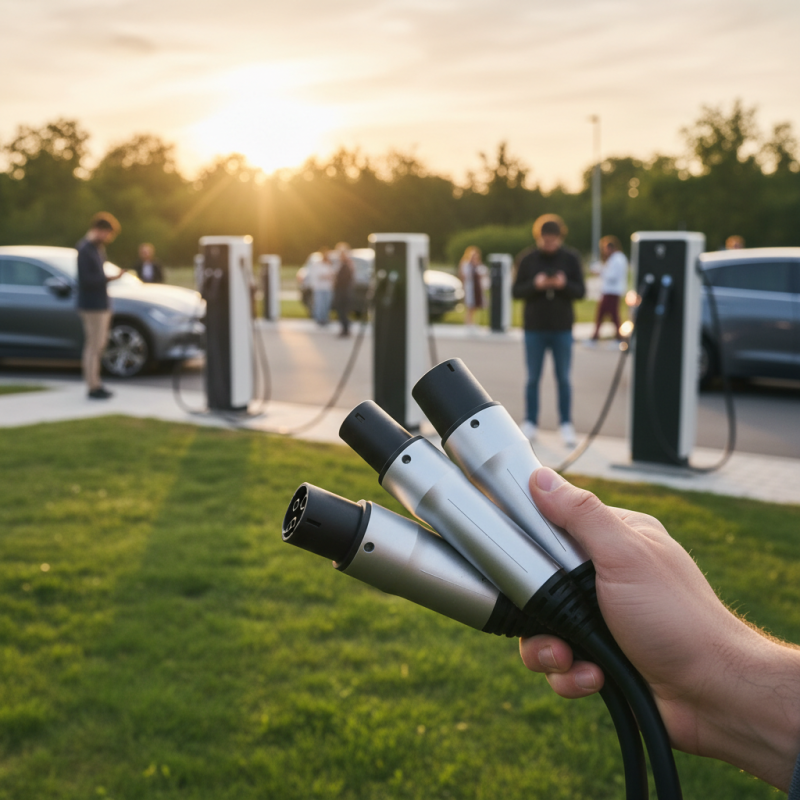
When it comes to choosing the right EV adapter, understanding the different types of connectors is crucial. EV connectors vary significantly. The common types include Type 1, Type 2, CCS, and CHAdeMO. Each type serves specific vehicles and charging needs. Knowing which type your vehicle uses is the first step in making an informed decision.
Consider the charging speed. Some adapters cater to slower Level 1 charging, while others support faster Level 3 options. This can impact your charging experience, especially in time-sensitive situations. You'll want to avoid unnecessary waits. Compatibility is also a key factor. Not all adapters will fit every model. This can lead to frustration and wasted time.
Lastly, reflect on the environments you'll be charging in. Public charging stations often have different adapters available. If you drive frequently, it’s wise to invest in a versatile adapter. A good adapter should not only support your current vehicle but also future-proof for new models. Always check dimensions and specifications to ensure a proper fit.
Types of EV Connectors and Their Popularity
Evaluating Charging Speed and Compatibility for Your Electric Vehicle
When choosing an EV adapter, charging speed is a key aspect. It's essential to understand the differences between charging levels. Level 1 chargers provide slower charging times, while Level 2 chargers can significantly reduce waiting periods. Faster charging allows for quicker trips, making it appealing for daily use. However, a trade-off exists: faster chargers may lead to higher electricity costs.
Compatibility is another critical factor. Not all EVs can use every adapter. Each vehicle has specific requirements based on its battery and design. Some adapters are versatile but may not deliver optimal performance. It's wise to consult your vehicle’s manual to ensure the adapter suits your needs. Make sure it fits well to avoid overheating or inefficiencies.
Consider the convenience of portability, too. Some adapters are compact, making them easy to carry. Others are bulkier but may provide faster charging. Evaluate your typical driving habits. If you often charge at home, a higher-speed adapter might be worthwhile. If you only need to charge occasionally, a more portable option could be beneficial. Reflect on what you truly need before making a decision.
Assessing Power Output and Voltage Requirements for EV Adapters
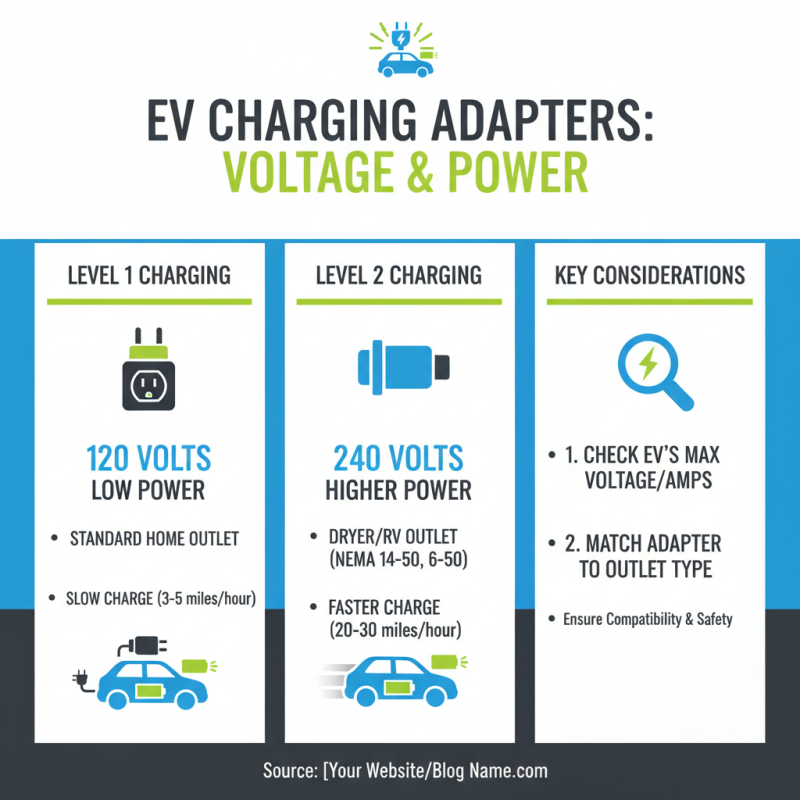
Choosing the right EV adapter hinges on understanding power outputs and voltage requirements. Electric vehicles (EVs) work with various charging levels. Level 1 offers low power, typically around 120 volts, while Level 2 peaks at 240 volts. Consider your EV’s specifications. Not all vehicles charge efficiently at the same voltage.
When selecting an adapter, check the amperage as well. Higher amperage means faster charging. For example, a 32-amp adapter can significantly reduce charging time compared to a lower-rated option. Tips: Always confirm the adapter’s compatibility with your EV model. An incompatible adapter can lead to poor performance or damage.
Monitor the power output closely. Underpowered adapters may struggle to keep up with your vehicle’s needs. This oversight can lead to slower charging. Ask yourself if your current setup meets your daily driving demands. Evaluate whether your adapter supports the latest charging technologies. This can enhance your charging experience dramatically, but it’s easy to overlook details.
Tips for Choosing Durable and Weather-Resistant EV Charging Equipment
When selecting EV charging equipment, durability is crucial. An IEC report highlights that chargers exposed to harsh weather can fail faster. The materials should resist rain, snow, and direct sunlight. Look for adapters made from weather-resistant plastics and metals.
Weather-resistant features often include sealed connectors and robust construction. These can protect against moisture and dust, reducing maintenance needs. A recent study showed that 70% of EV owners prefer chargers that last longer and withstand extreme temperatures.
It’s also important to consider the charger’s mobility and flexibility. Some users find themselves needing to move their chargers frequently. If a charger is too heavy or cumbersome, it can cause frustration. Evaluate weight and portability before making a decision.
While costs are important, quality should take precedence. Choosing a less durable option can lead to unexpected expenses down the line. Reflecting on these aspects can aid in making a wise choice for your EV adapter.
Investigating Brand Reputation and Warranty Options for EV Adapters
When selecting an EV adapter, brand reputation plays a crucial role. A well-regarded brand often indicates reliability and quality. Look for brands with a history of producing durable products. Reviews and ratings from other users can provide insight into their experiences. Brands that prioritize customer service tend to have better reputations. Negative feedback can be a warning sign.
Warranties are also essential when choosing an EV adapter. A solid warranty shows the manufacturer's confidence in their product. Look for adapters with longer warranty periods, as this often reflects greater reliability. Pay attention to what the warranty covers. Does it include parts and labor? Understanding the warranty details can save you money and hassle later. Choosing an adapter with a good warranty can provide peace of mind, but always read the fine print. Inconsistencies in warranty terms can lead to unexpected challenges.