What is a Dc Charger Ev Adapter and How Does It Work?
A DC Charger EV Adapter plays a vital role in electric vehicle (EV) charging systems. As more drivers turn to electric vehicles, understanding how these adapters function becomes essential. The adapter connects the EV to charging stations, enabling fast and efficient energy transfer. This technology has evolved significantly, ensuring that charging is not only rapid but also safe.
By using direct current, the DC Charger EV Adapter converts electrical energy to power EV batteries quickly. Many drivers may overlook its technical aspects, yet those details greatly impact charging speed and performance. Higher voltage levels allow for efficiency, but they also require appropriate safety measures. The intricacies of this technology demand professional insights to complement user experience.
While the DC Charger EV Adapter offers many benefits, challenges persist. Compatibility issues can arise with different models of electric vehicles. Such concerns call for further exploration and improvement in design. Understanding the mechanisms behind these adapters can enhance user awareness and promote informed choices in the EV market.
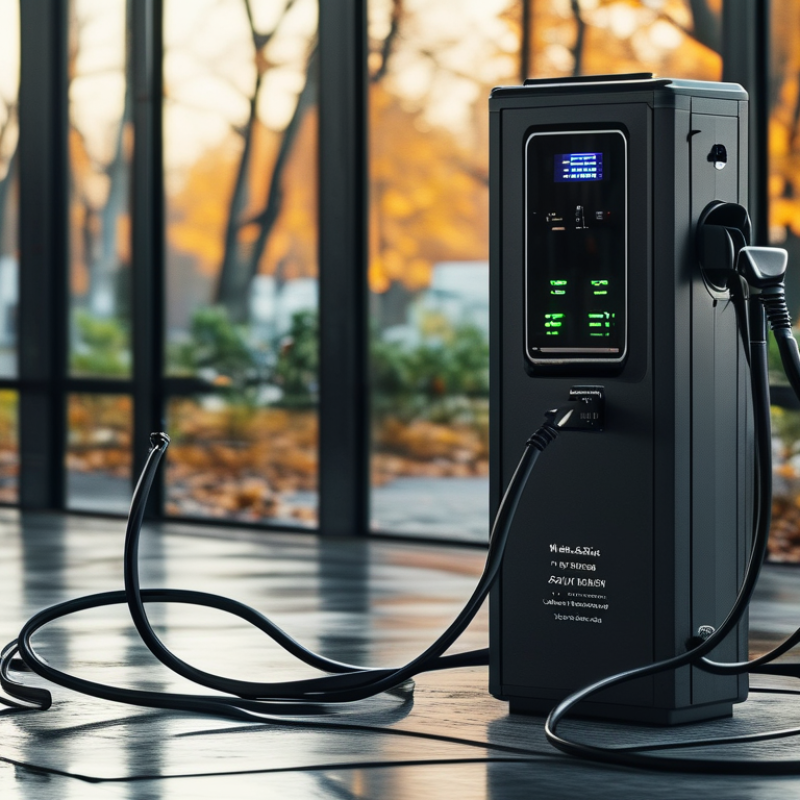
What Is a DC Charger EV Adapter?
A DC Charger EV adapter plays a vital role in the electric vehicle (EV) ecosystem. This technology allows rapid charging of electric cars by converting alternating current (AC) into direct current (DC). Unlike traditional Level 2 chargers, DC fast chargers deliver a higher voltage, enabling EVs to charge much quicker, often in 30 minutes or less. According to the U.S. Department of Energy, DC fast chargers can provide up to 80% charge in just 30 minutes, making them ideal for long-distance travel.
The significance of DC Charger EV adapters increases with the surging EV market. A recent report from BloombergNEF predicts that global EV sales will hit 54 million by 2040. As this increase occurs, the importance of robust charging infrastructure also rises. The U.S. aims to have 500,000 public EV chargers by 2030. However, the availability and distribution of DC chargers are not uniform. Regions with fewer charging stations face accessibility issues, impacting consumer confidence. Addressing this imbalance requires careful planning and investment.
While DC charging offers speed, not all vehicles support this technology. Some models may need additional adapters or fail to maximize the charging speeds possible. Additionally, the installation of DC chargers can be costly and complex, raising concerns about their widespread adoption. As the industry evolves, more research is needed to optimize this technology while ensuring the infrastructure keeps pace with demand.
Key Components of a DC Charger EV Adapter
A DC Charger EV adapter is critical for electric vehicle charging. It converts the high-voltage direct current from a power source to a usable format for EV batteries. Understanding its key components illuminates its functionality and effectiveness.
The main component is the rectifier, which transforms alternating current (AC) to direct current (DC). Converters are essential as they regulate voltage levels. The most vital part is the battery management system (BMS). It ensures that the battery remains safe during the charging process. Data from the International Energy Agency indicates that DC fast charging can provide up to 80% charge in about 30 minutes. This efficiency drastically fulfills the growing demand for EVs.
Cabling and connectors also play a crucial role. They maintain the integrity of power transfer. However, the standards for connectors can vary, leading to inconsistencies. According to a report by the U.S. Department of Energy, nearly 40% of EV owners express frustration with charging infrastructure. Many find it confusing, which highlights the area's need for standardization and improvement. Understanding these components can catalyze advances in charging technology.
DC Charger EV Adapter Power Output Comparison
This chart compares the power output of different DC Charger EV Adapters. The power output (in kW) varies significantly among different models, highlighting the availability of various charging capabilities for electric vehicles.
How DC Charger EV Adapters Work Step-by-Step
DC Charger EV adapters play a crucial role in electric vehicle charging. They convert high voltage direct current from charging stations into a usable form for electric vehicles. The process begins with the connection. A user plugs the adapter into their EV; it ensures compatibility and a secure connection.
Once connected, the adapter manages communication between the vehicle and the charger. It sends signals to the car, confirming that it is ready for charging. This step is vital. If communication fails, charging may not occur properly. Next, the adapter regulates the flow of energy. It adjusts voltage and current levels to prevent overload. This protects both the vehicle's battery and the charging station.
Monitoring is another critical aspect. The adapter continuously checks the battery's condition while charging. If the battery becomes full, the adapter will halt the energy flow. This feature helps extend battery life. However, there may be challenges in some cases. For instance, compatibility issues with different vehicles can arise. Users should pay attention to these details to ensure effective charging.
What is a DC Charger EV Adapter and How Does It Work?
| Feature |
Details |
| Type of Charger |
DC Fast Charge |
| Charging Power |
50 kW to 350 kW |
| Charge Time |
30 minutes to 1 hour |
| Compatibility |
Compatible with various EV models |
| Connection Type |
CCS, CHAdeMO, Tesla Adapter |
| Benefits |
Fast charging, increased range, user-friendly |
| Working Mechanism |
Converts AC power to DC and delivers it directly to the vehicle's battery. |
| Safety Features |
Overcurrent protection, thermal management, and fault detection. |
Advantages of Using DC Charger EV Adapters for Electric Vehicles
DC charger EV adapters are essential for electric vehicle owners. They provide a rapid charging solution, allowing drivers to recharge their vehicles much faster than standard AC chargers. This efficiency is crucial for long trips or busy users. When you plug in, the charger connects directly to the battery, bypassing some conversion losses. This results in quicker charging times, often taking just a fraction of the time compared to traditional methods.
One of the main advantages of DC chargers is their ability to deliver higher power levels. This is particularly beneficial for electric vehicles with larger battery capacities. Uninterrupted driving experiences become more feasible. Moreover, many DC charging stations are strategically located along highways and major routes, enhancing the convenience for EV users. Instant power boosts can make a significant difference, especially in urban settings where time is limited.
However, there are challenges. The installation of DC chargers may require specialized infrastructure. Initial costs can be higher than traditional chargers. Not all electric vehicles are compatible with DC charging. Users may need to ensure that their vehicle's model can support this charging type. This variability warrants careful consideration. In the fast-evolving world of electric vehicles, staying informed about these technologies is key.
Comparing DC Chargers to Other EV Charging Methods
DC chargers are crucial for electric vehicle (EV) charging. They offer fast and efficient energy delivery compared to other methods like AC charging stations. This quick charging is vital for drivers who need to cover long distances without lengthy stops. The key difference lies in how they transfer power. DC chargers convert electricity directly for immediate use, whereas AC chargers require an onboard converter, slowing the charging process.
One major advantage of DC charging is its ability to supply a significant amount of power in a short time. This is particularly handy during road trips. However, not all EVs support fast DC charging, leading to potential confusion for drivers. While many public charging stations are compatible, some vehicles may require adapters. It's worth considering how location influences charging availability. Urban areas often have more stations, while rural zones may lack adequate options. This can create challenges for those in less populated regions.
Furthermore, the infrastructure for DC charging is still developing. Not every station has the same power output, which can lead to variability in charging times. Some stations may experience downtime or maintenance issues. Drivers should plan ahead to optimize their charging experience. Understanding these nuances can help users make informed decisions about their EV charging strategies.