Why Choose a DC Charger EV Adapter for Your Electric Vehicle?
Navigating the world of electric vehicles (EVs) can be daunting. The choice of charging solutions is crucial for EV owners. One popular option is the DC Charger EV Adapter. This adapter allows for faster charging compared to conventional methods. It’s designed to meet the growing demand for efficiency in EV charging.
Imagine being on a long road trip. You stop at a charging station, but the wait is frustratingly long. This is where the value of a DC Charger EV Adapter shines. It can recharge your vehicle significantly faster, getting you back on the road in no time. Some users, however, might overlook its importance. They may settle for slower options due to familiarity.
Choosing the right adapter can feel overwhelming. There are multiple brands, models, and functionalities to consider. DC Charger EV Adapters stand out for their impressive speed and convenience. They can be a game-changer for urban drivers and long-distance travelers alike. Reflecting on your usage and needs is essential. The right decision can enhance your overall EV experience significantly.
Benefits of Using DC Charger EV Adapters for Electric Vehicle Owners
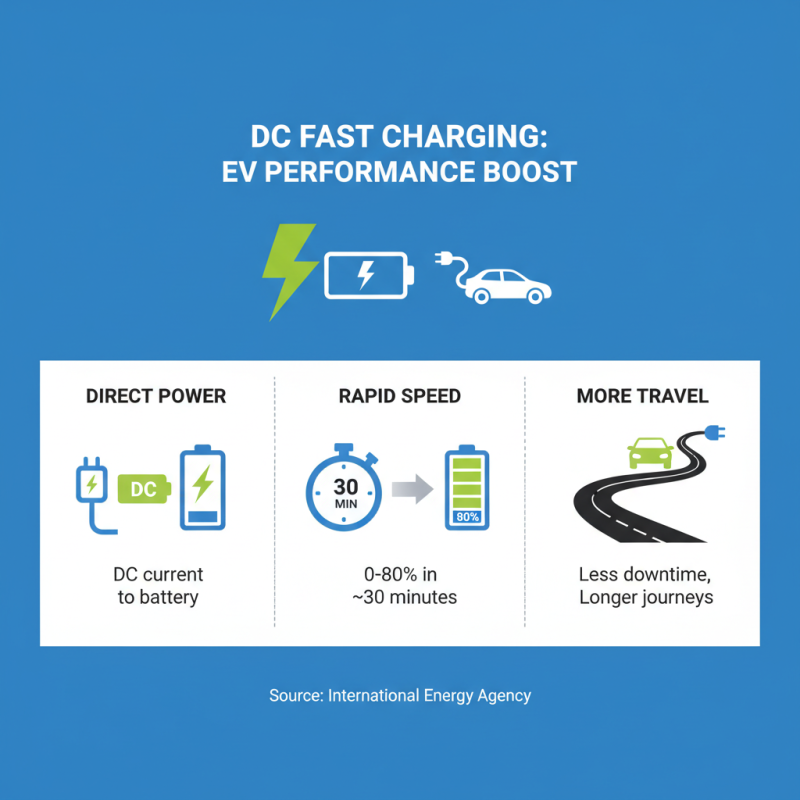
Using a DC charger EV adapter offers numerous benefits for electric vehicle owners. One of the main advantages is the significantly reduced charging time. DC chargers supply power directly to the vehicle's battery. This makes it possible to charge a vehicle to about 80% in just 30 minutes. Imagine quickly charging your car while you grab a coffee.
Additionally, the efficiency of DC charging is noteworthy. It converts more energy straight to the battery. This means less energy waste and a greener option for environmentally conscious drivers. As you recharge your battery faster, you save time and enjoy more convenient travels. With flexibility in charging stations, you'll often find DC chargers in strategic locations.
**Tip:** If there’s a long road trip ahead, plan your stops around DC charging stations.
Despite these benefits, consider the compatibility of your vehicle. Not all cars support DC fast charging adapters. Research your vehicle specifications before investing. Some DIY adjustments may be needed if you want to use an adapter.
**Tip:** Always check local charging infrastructure before heading out. You may encounter gaps in service.
While DC chargers provide rapid charging, they might come with higher costs. Weigh the convenience against your budget. It’s essential to reflect on how often you will use these chargers compared to others available.
Benefits of Using DC Charger EV Adapters for Electric Vehicle Owners
Comparison of Charging Speeds: DC vs. AC Chargers in the EV Market
When it comes to electric vehicles (EVs), charging speed is a critical factor.
DC chargers provide significant advantages over AC chargers in the market. DC fast charging delivers high power directly to the vehicle’s battery.
This means faster charging times, which is essential for drivers on the go. Some DC chargers can provide an 80% charge in just 30 minutes.
In contrast, AC chargers, while more common, are generally slower. They typically use a lower voltage and take several hours to fully charge an electric vehicle.
This slower pace can be frustrating for users who need a quick turnaround.
It raises questions about charging infrastructure. Are we doing enough to support widespread fast charging capabilities?
Many EV users might still opt for AC chargers due to their availability. However, the growing focus on DC charging stations is promising.
We must recognize the potential for development in this area.
The challenge lies in expanding the network of DC chargers across regions.
Without this, the full benefits of electric driving may remain unrealized.
Cost Efficiency: Evaluating the Long-Term Savings of DC Charging
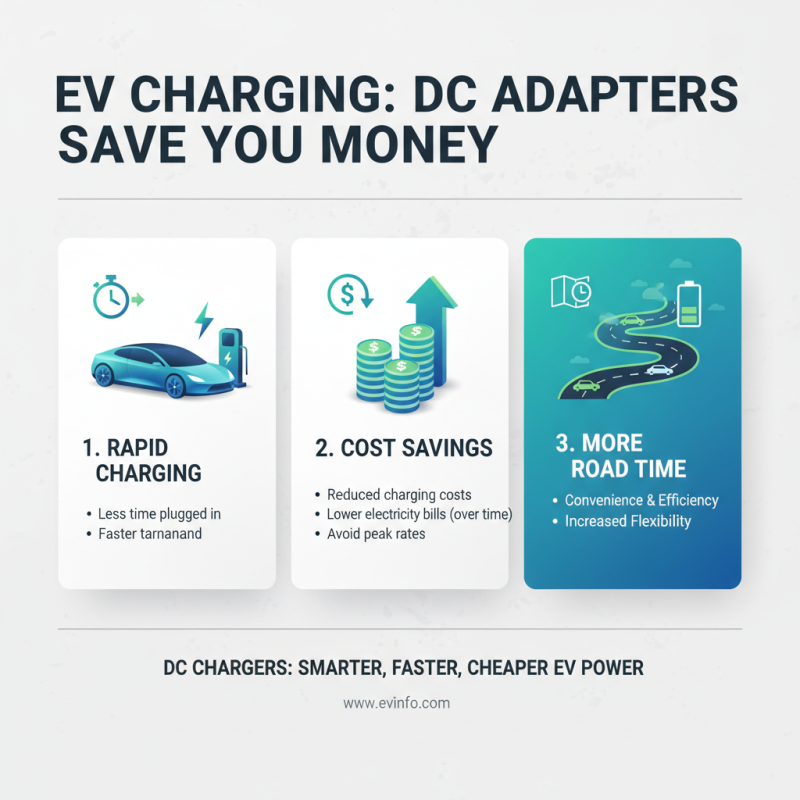
Electric vehicles (EVs) offer a remarkable alternative to traditional vehicles, but charging them remains a challenge. Choosing a DC charger EV adapter can lead to significant cost savings over time. Unlike conventional chargers, DC chargers provide rapid charging capabilities. This means less time spent at charging stations and more time on the road.
The initial investment in DC charging technology may seem high. However, the reduced charging time can save money in unexpected ways. For example, charging sessions can be shorter, which often translates to lower electricity costs. Plus, many charging stations offer discounts for those who charge during off-peak hours. It’s crucial to analyze your charging habits to truly understand long-term benefits.
Reflect on how much you spend on charging monthly. If you frequently use public chargers, how much do those costs add up? Some might find inconsistency in expensive short stops. A DC charger adapter could help you avoid those high fees, driving your cost efficiency further. Evaluating these aspects can reshape your perception of EV ownership, leading to lasting economic benefits.
Industry Trends: The Growing Adoption of DC Chargers in Electric Vehicles
The shift towards electric vehicles (EVs) is undeniable. As more people embrace sustainable transportation, the demand for efficient charging solutions grows. DC chargers are taking center stage in this trend. They offer faster charging times compared to traditional AC chargers. This speed is crucial for drivers with busy lives.
Many EV owners appreciate the convenience of a DC charger. In just a fraction of the time, their vehicles can gain significant range. However, it’s worth noting that DC chargers can be more expensive to install. This can pose a challenge for owners and operators. Additionally, not all EVs are equipped to handle DC fast charging. This can lead to confusion and frustration.
Electric vehicle infrastructure is evolving rapidly. Cities are expanding charging networks to meet rising demand. It’s a work in progress, yet the benefits are clear. More DC charging stations will offer greater accessibility. Still, we must reflect on the infrastructure challenges ahead. Balancing speed, cost, and availability remains a key focus as this industry grows.
Why Choose a DC Charger EV Adapter for Your Electric Vehicle?
| Dimension |
Traditional AC Charger |
DC Charger |
| Charging Speed |
3-7 kW |
50-350 kW |
| Typical Charge Time |
8-12 hours |
20-60 minutes |
| Cost |
Lower initial cost |
Higher initial cost |
| Usage |
Home charging |
Public charging stations |
| Battery Type |
Suitable for lithium-ion |
Supports most EV batteries |
Technical Insights: How DC Chargers Enhance EV Performance and Battery Life
When it comes to enhancing electric vehicle (EV) performance, DC chargers stand out. These chargers utilize direct current (DC) to deliver power directly to the battery. This delivery provides a significant advantage in charging speed. Reports from the International Energy Agency indicate that DC fast chargers can replenish up to 80% of the battery in about 30 minutes. Such efficiency allows drivers to spend less time at charging stations, making long-distance travel more practical.
Moreover, DC charging systems can also extend battery life. By controlling voltage and current, they minimize thermal stress. The Battery University notes that excessive heat can degrade battery health over time. With effective cooling systems integrated into many DC chargers, the risk of overheating decreases. This aspect is crucial, as it can lead to performance degradation in less advanced charging systems.
However, not all DC chargers are created equal. Some may deliver inconsistent charging rates. This inconsistency can lead to erratic charging experiences. Users must remain aware of these variables when choosing charging infrastructure. A comprehensive understanding helps in making informed decisions, ultimately leading to better charging experiences and improved battery longevity.