What is Ev Charger Type 2 and How Does It Work?
In the growing electric vehicle industry, the Ev Charger Type 2 stands out for its efficiency and convenience. According to Dr. Emily Tran, an expert in EV charging technology, "The Ev Charger Type 2 offers a practical solution for today’s electric vehicles and future innovations."
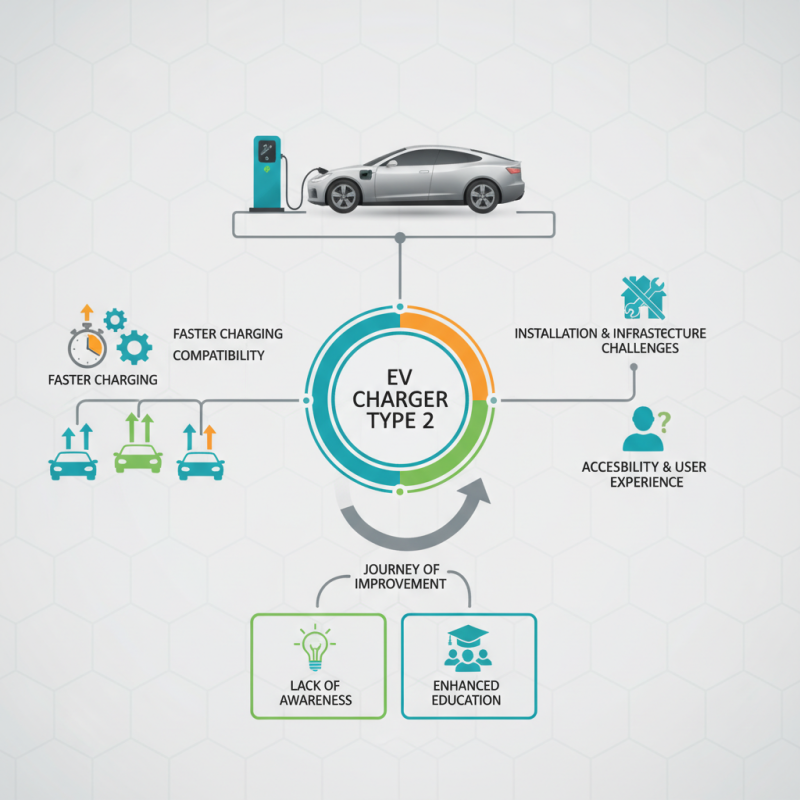
This technology is designed to streamline the charging process. With a Type 2 charger, drivers can expect faster charging times and compatibility with various EV models. However, some users find the installation and infrastructure lacking in certain areas. This raises questions about accessibility and user experience.
Furthermore, while the Ev Charger Type 2 is widely recognized, awareness among potential users remains inconsistent. Not all electric vehicle owners know the benefits this charger provides. As the industry evolves, we must consider how to enhance education about this essential charging option. It’s a journey of improvement that requires collective effort and reflection.
What is Type 2 EV Charger?
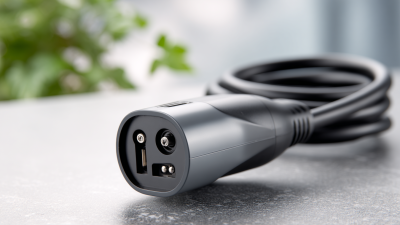
Type 2 EV chargers are essential in the world of electric vehicle (EV) charging. These chargers use a specific connector design, enabling faster and more efficient charging compared to Type 1. The Type 2 connector supports both single-phase and three-phase charging, reaching a power output of up to 22 kW. According to a report by the International Energy Agency, the adoption of Type 2 chargers has surged, contributing to the growing number of charging stations globally.
Electric vehicles rely heavily on efficient charging infrastructure. Users often prefer Type 2 for its compatibility with many EV models. The versatility of Type 2 connectors means they can be used at home, in public spaces, and on the road. This accessibility helps reduce range anxiety and encourages more people to adopt electric vehicles. Notably, the charging time can be significantly lower, providing a practical solution for everyday drivers.
Tips: When installing a Type 2 charger, ensure it’s in a well-ventilated area. Check local regulations to avoid any compliance issues. Remember that using a certified technician for installation can prevent costly mistakes. Maintaining your charger regularly can prolong its lifespan. Regular software updates can also enhance performance and security.
Type 2 EV Charger Power Distribution
This chart represents the power distribution among various Type 2 EV chargers available in the market. The data indicates the typical charging power in kilowatts (kW) for each Type 2 charger rating.
Key Features of Type 2 EV Charger
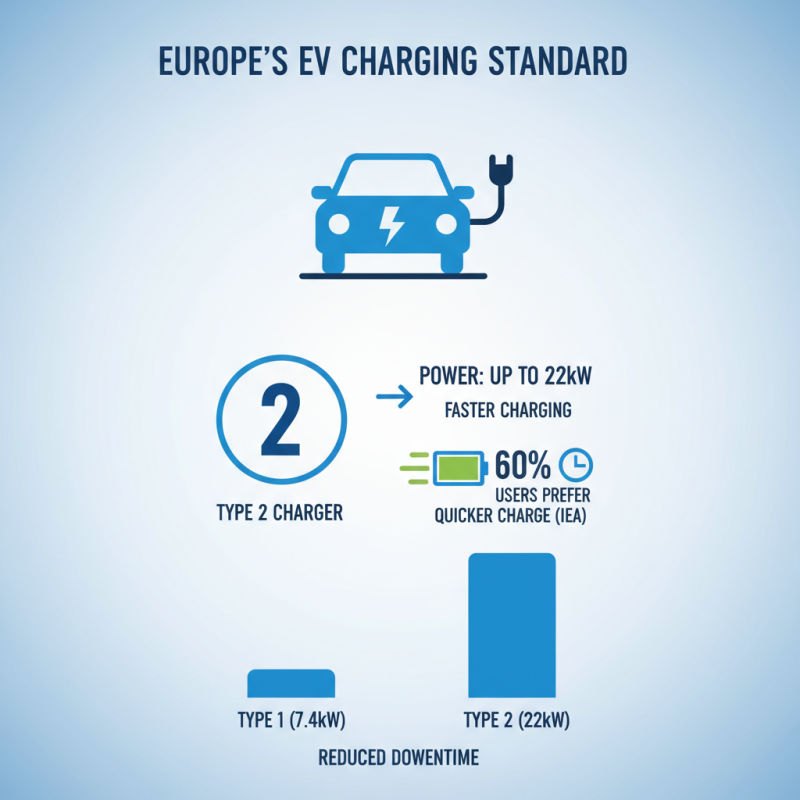
Type 2 EV chargers are becoming the standard for electric vehicle charging across Europe. These chargers are designed for efficiency and convenience. They can deliver up to 22kW of power, enabling faster charging compared to Type 1 chargers, which typically offer only up to 7.4kW. The higher power output allows users to charge their vehicles significantly quicker. A report from the International Energy Agency suggests that charging speed is critical, with almost 60% of users preferring quicker options to reduce downtime.
One notable feature of Type 2 chargers is their compatibility with various electric vehicles. This includes most models on the market today. The universal design facilitates easier access for consumers. However, challenges remain. Many charging stations still face downtime due to maintenance issues. According to a survey by a European transportation group, nearly 30% of charging points were reported as non-operational at times. This unreliability can frustrate users and hinder the transition to electric vehicles.
In addition, the Type 2 charging cables are often longer and more robust, enhancing user experience. Standard lengths range from 5 to 10 meters, allowing flexibility in parking situations. Still, not all installations meet these standards. Poorly chosen locations can limit accessibility. It's crucial to reconsider how and where these chargers are deployed to maximize their benefits.
How Type 2 EV Chargers Operate
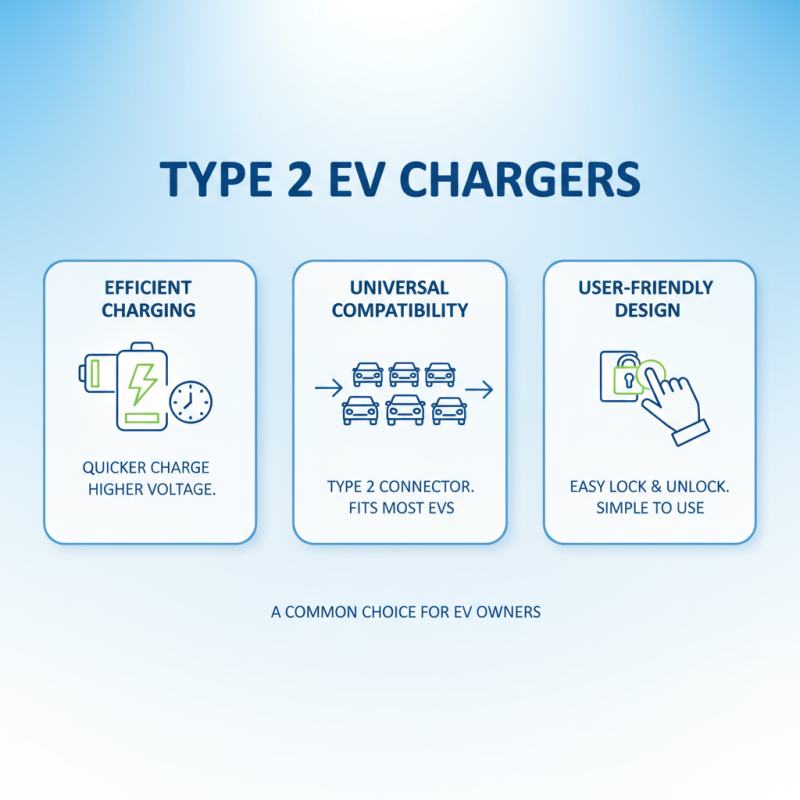
Type 2 EV chargers are a common choice for electric vehicle owners. They are designed to be user-friendly and efficient. These chargers typically operate at a higher voltage than standard outlets, allowing for quicker charging times. They usually feature a Type 2 connector, which is compatible with various vehicle models. This connector design also promotes easy locking and unlocking during the charging process.
When a vehicle is plugged into a Type 2 charger, the car communicates with the charger. This communication helps manage the charging current based on the car's battery level and type. Charging can begin at different power rates, depending on the specific requirements of the vehicle. Sometimes, the process may not proceed as smoothly as expected. Issues with compatibility or power supply can arise. These problems often require a moment of reflection and troubleshooting.
Type 2 EV chargers are quite versatile. They can be located in public spaces, workplaces, and homes. Using a Type 2 charger often means more convenience for users, but there can be some challenges. Not every location has the same charging infrastructure. Users might experience longer wait times at busy charging stations. It is essential to be prepared and flexible when relying on public charging solutions.
Advantages of Using Type 2 EV Chargers
Type 2 EV chargers have become increasingly popular. They offer a blend of speed and convenience. One key advantage is their compatibility. Many electric vehicles use this standard. This means drivers can find charging stations easily.
Using a Type 2 charger can significantly reduce charging time. Most can deliver up to 22 kW of power. This allows for faster replenishment during journeys. For instance, a quick charge can add over 100 kilometers of range in just an hour. This is particularly beneficial for those with time constraints.
However, not all locations are equipped with Type 2 chargers. Some regions still lack sufficient infrastructure. This can lead to frustration for EV owners. Drivers should plan their routes carefully. It’s essential to find charging points beforehand. Overall, while Type 2 chargers present clear benefits, their availability can sometimes be a challenge.
Common Applications and Compatibility of Type 2 EV Chargers
Type 2 EV chargers have become increasingly popular across various settings. These chargers are compatible with most electric vehicles available in the market. They feature a unique connector that allows for faster charging compared to Type 1 chargers. Many public charging stations utilize Type 2, making it easier for users to charge their vehicles on the go.
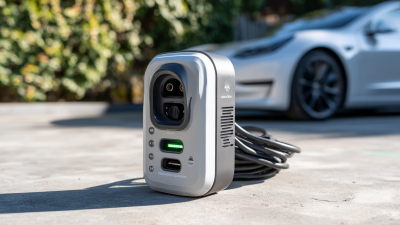
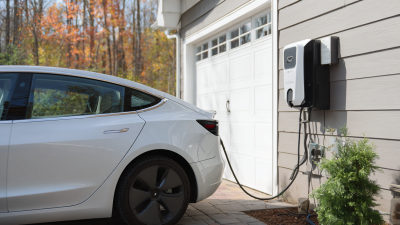
Common applications for Type 2 chargers include residential homes, public charging points, and workplaces. Homeowners often install these chargers in garages for convenient overnight charging. In offices, they provide employees with easy access to charge their vehicles during the day. However, there can be compatibility issues with older models of electric cars. Not all vehicles seamlessly connect to a Type 2 charger, which can lead to frustration.
Moreover, while Type 2 chargers are widely used, it is important to consider installation requirements. Electric capacity in homes may not support high-power charging. Some users find themselves reevaluating their electrical systems. Others may feel overwhelmed by the technical details. This highlights a need for better information on compatibility and installation.
What is Ev Charger Type 2 and How Does It Work? - Common Applications and Compatibility of Type 2 EV Chargers
| Feature |
Description |
| Connector Type |
Type 2 Connector |
| Charging Standard |
IEC 62196-2 |
| Max Current |
32A (adjustable upwards for specific models) |
| Max Power Output |
Up to 22 kW |
| Common Applications |
Home charging, public charging stations, commercial applications |
| Compatibility |
Most European electric vehicles |
| Charging Modes |
Mode 3 (AC charging) |
| Safety Features |
Overcurrent protection, earth fault protection, temperature monitoring |