What is an Ev Charging Cable and How to Choose One?
In an era where electric vehicles are becoming mainstream, understanding the Ev Charging Cable is essential. Experts highlight its crucial role in promoting the transition to greener transportation. John Smith, a leading figure in EV technology, states, “The right Ev Charging Cable can enhance the charging experience and extend the life of your battery.”
Ev Charging Cables come in various types, each designed for specific applications. Choosing the right one can seem daunting. With so many options, it’s easy to feel overwhelmed. The choice should not be taken lightly. A suitable cable ensures faster charging and compatibility with your vehicle. The stakes are high, and making the wrong choice can lead to inefficiency and frustration.
It's essential to consider your needs before deciding. Various factors influence the best choice for your situation. Understanding connector types, length, and power ratings is important. A careful approach will lead to a significant improvement in convenience and performance. However, some overlook these details, leading to subpar charging solutions. Taking the time to learn about Ev Charging Cables pays off in the long run.
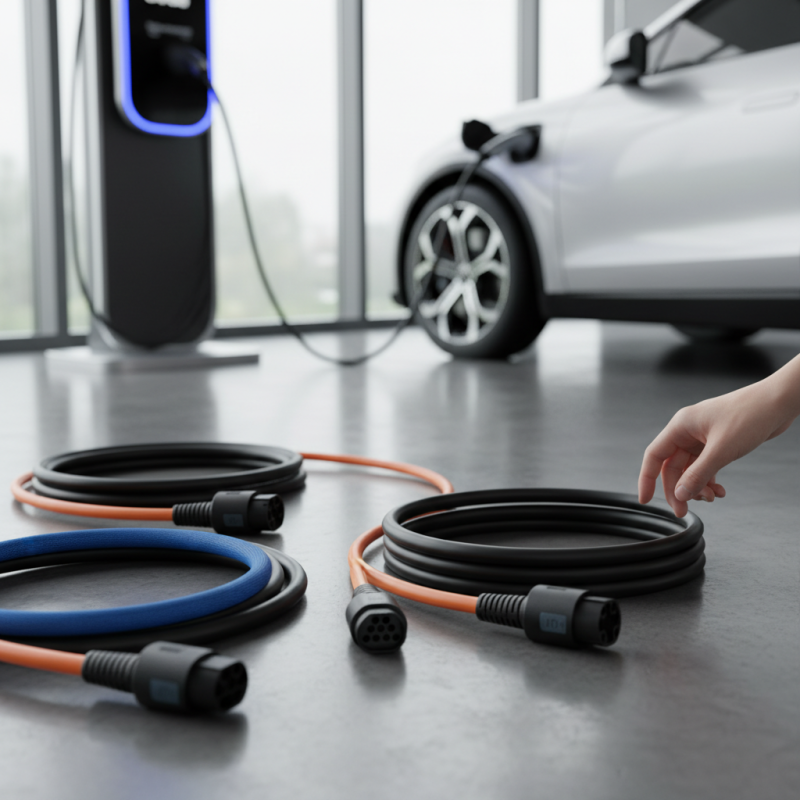
What is an EV Charging Cable?
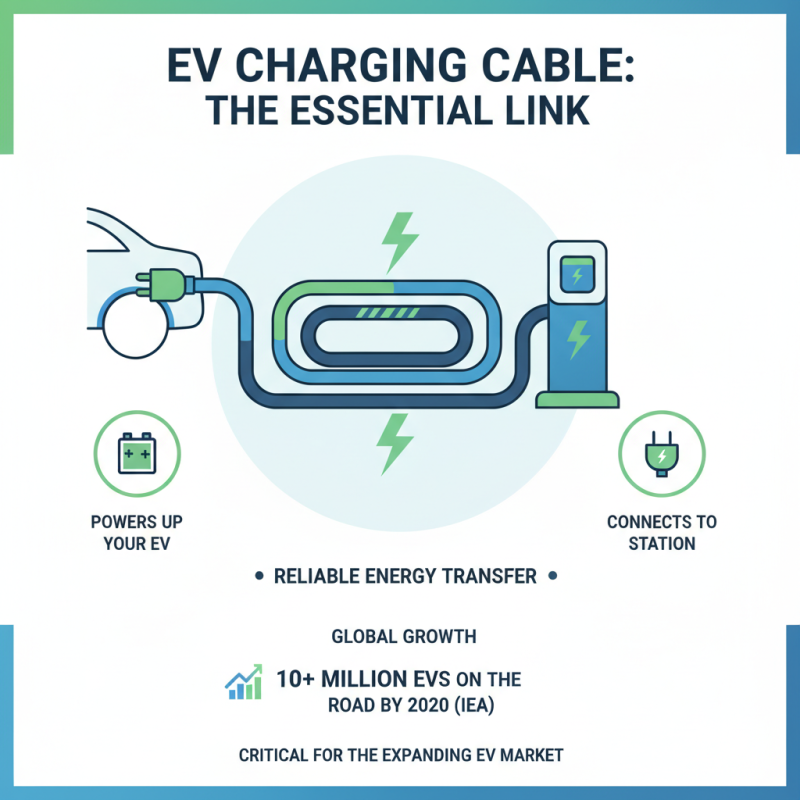
Electric Vehicle (EV) charging cables are critical for powering up your electric vehicle. These cables connect the EV to a charging station, allowing for a reliable energy transfer. According to the International Energy Agency, over 10 million electric vehicles were on the road by 2020. As the EV market continues to expand, understanding charging cables becomes essential for both new owners and seasoned enthusiasts.
When choosing an EV charging cable, consider several factors. The most common types of connectors are Type 1 and Type 2. Each has different compatibility with charging stations. A study by the Electric Power Research Institute indicates that the optimal charging power can significantly influence battery lifespan. Always check your vehicle’s specifications. High-quality cables rated for higher amperage offer faster charging but may come at a higher cost.
Tips: Ensure that the cable is weatherproof if used outdoors. Regularly inspect for wear or damage to maintain safety. Choosing an appropriately rated cable is vital, as using an underpowered cable may not provide sufficient charge. An improperly chosen cable can also lead to overheating or reduced efficiency. Understanding the nuances of EV charging cables will enhance your driving experience and keep your vehicle running smoothly.
Types of EV Charging Cables Available
When choosing an EV charging cable, understanding the different types is crucial. There are primarily three categories: Level 1, Level 2, and DC fast chargers.
Level 1 cables are basic; they plug into a regular outlet. They are ideal for overnight charging but are slow. On the other hand, Level 2 cables require a dedicated charging station. These cables are faster and more efficient for daily use.
DC fast chargers are the most powerful option. They can deliver a significant charge in a short time. However, not all EVs are compatible with these chargers. It’s vital to know your vehicle’s specifications before purchasing a cable.
Consider the charging speed and compatibility as major factors.
While different types cater to various needs, the quality of cables varies too. Some cables are more robust and durable than others.
A poorly manufactured cable can lead to safety issues. Always opt for cables that meet safety standards.
Reflect on your charging habits. This will help you choose the right cable for your lifestyle. Making an informed decision can save time and money.
Compatibility: Ensuring Your Cable Works with Your EV Model
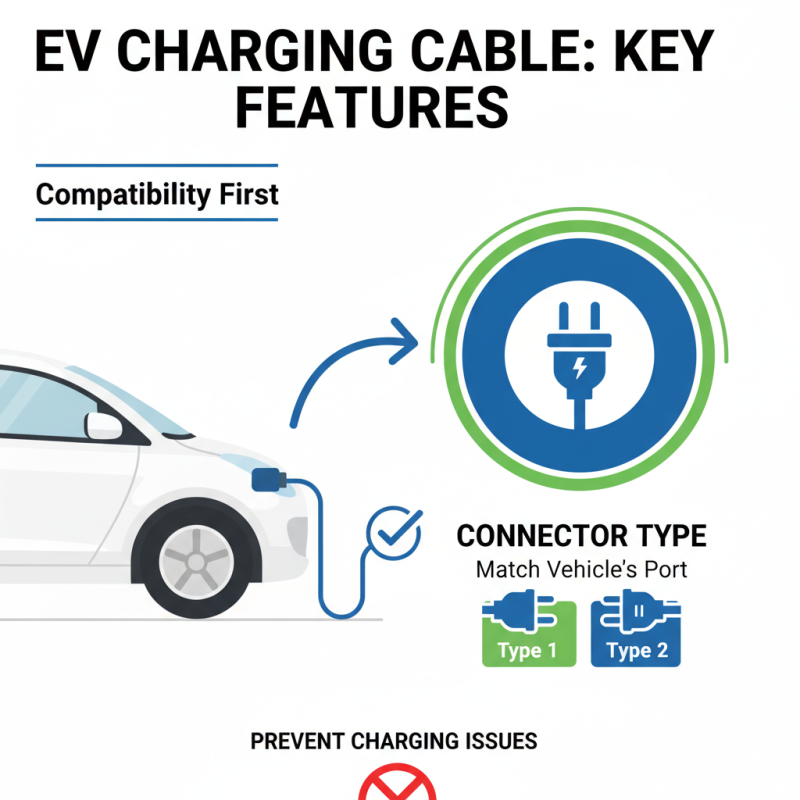
When choosing an EV charging cable, compatibility with your vehicle model is crucial. Different electric vehicles have unique requirements. Not all cables fit every EV. It’s essential to check your vehicle’s specifications before making a purchase. This detail can save you time and money.
Consider the connector type. There are commonly two types: Type 1 and Type 2. Type 1 is often found in American models. Type 2 is more common in Europe. Ensure you choose the right one. Using the wrong type may lead to charging issues. Verify the charging capabilities of your EV. Some models support faster charging than others, and matching the cable's specifications matters.
Pay attention to cable length. A longer cable provides flexibility but can be cumbersome. Short cables are easier to manage but may limit your charging locations. Evaluate where you’ll charge your vehicle most often. Look for cables that meet safety standards, as this ensures reliability. Ask for recommendations, but remember, each user’s experience may differ. Keep these factors in mind to make an informed decision.
What is an Ev Charging Cable and How to Choose One? - Compatibility: Ensuring Your Cable Works with Your EV Model
| Cable Type |
Connector Type |
Maximum Output (kW) |
Length (meters) |
EV Compatibility |
| Type 1 |
SAE J1772 |
3.7 - 22 kW |
5 |
Most American & Asian EVs |
| Type 2 |
Mennekes |
3.7 - 43 kW |
7 |
Most European EVs |
| CCS Combo 1 |
Combo 1 (SAE J1772 + DC) |
50 - 350 kW |
5 |
Compatible with select American EVs |
| CCS Combo 2 |
Combo 2 (Mennekes + DC) |
50 - 350 kW |
5 |
Compatible with most European EVs |
Safety Standards and Certifications for EV Charging Cables
When selecting an EV charging cable, safety should be your top priority.
Various safety standards govern the design and fabrication of these cables. These include ISO, IEC, and UL certifications. Each of them ensures cables are tested for durability, temperature tolerance, and electrical efficiency. Opting for cables with these certifications guarantees a level of quality. It enhances your confidence while charging your vehicle.
Moreover, the environment in which you intend to charge matters. Cables rated for outdoor use are typically more robust. They often feature weatherproof designs. Ensuring that a cable meets the required safety standards and certifications is crucial. It is worth noting that a cheaper cable might not always be a safe option.
Investing in quality can prevent future inconveniences and hazards.
Many users overlook the need for compatibility with their electric vehicle. Not all charging cables fit every model. Always check specifications before purchasing. A mismatched cable can lead to slower charging and potential issues. Remember, understanding safety certifications is key to making an informed decision about EV charging cables.