Top EV Connector Types and Their Benefits for Electric Vehicle Users?
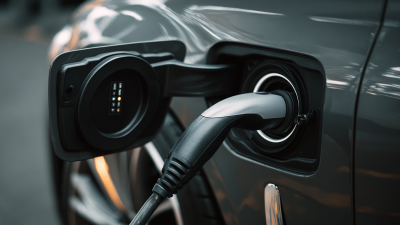
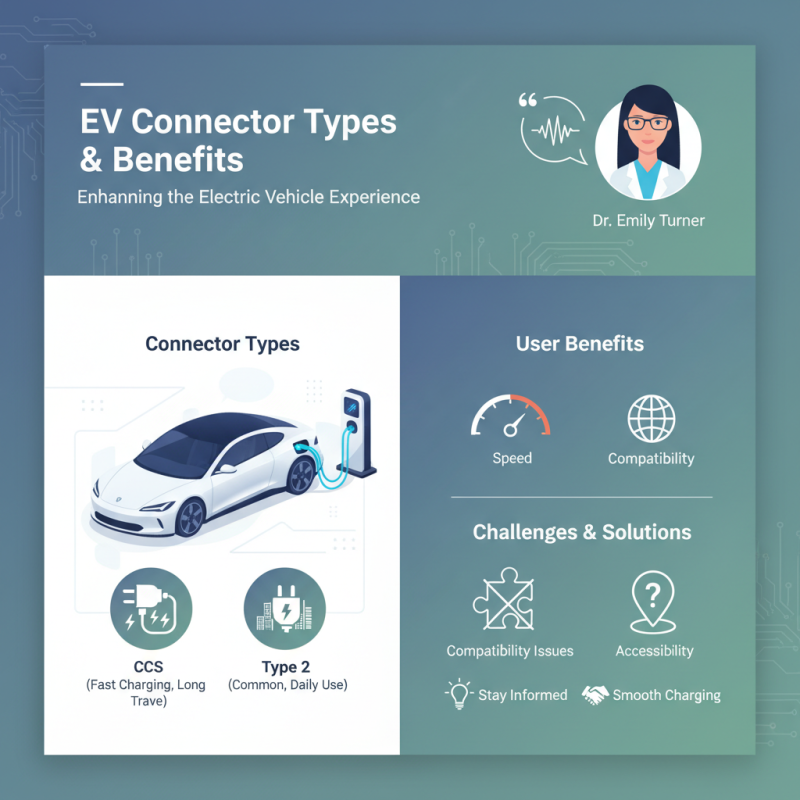
Electric vehicles (EVs) are the future of transportation. As their popularity grows, so does the importance of EV connectors. Dr. Emily Turner, an EV connector expert, states, "The right connector can significantly enhance the EV charging experience." This highlights a crucial factor for electric vehicle users: selecting the right EV connector type.
Different connectors offer various benefits, influencing charging speed and vehicle compatibility. For instance, CCS (Combined Charging System) allows fast charging, essential for long-distance travel. Meanwhile, Type 2 connectors are common in many regions, promoting convenience for everyday users. However, users often face challenges with compatibility and accessibility.
Mistakes happen. Not knowing which connector to use can lead to frustration. The market is evolving, yet the confusion surrounding EV connectors remains. Users must stay informed to ensure a smooth charging experience. EV connectors play a vital role in the growth of electric mobility. Understanding them is essential for every EV owner.
Types of EV Connectors: A Comprehensive Overview for Users
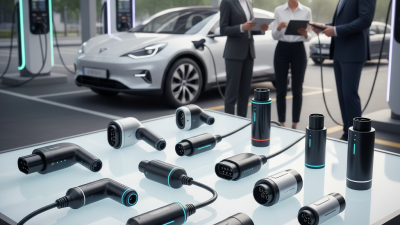
Electric vehicle (EV) connectors play a crucial role in charging systems. These connectors differ by type, impacting charging speed and compatibility. The Society of Automotive Engineers (SAE) indicates that there are a few major types globally, each with distinct features.
Type 1 is widely used in North America and Japan. It supports single-phase charging. On the other hand, Type 2 connects to three-phase systems. This allows for faster charging, a desirable feature for many users. In contrast, CHAdeMO and CCS connectors support rapid charging. They minimize downtime, which is essential for EV users on longer trips. According to recent reports, nearly 70% of EV owners prefer these rapid charging solutions.
Yet, not all connectors are universally compatible. This can create frustration and delay for users. Different regions have varying standards, adding complexity to the charging experience. For customers, understanding these differences is vital. It’s essential to know which connector is suited for their vehicle. Without this knowledge, users risk unexpected challenges on the road.
Considering many EV models on the market today, the choice of connector can greatly influence the ownership experience. Awareness of these connector types can enhance convenience and efficiency. As the EV landscape evolves, adapting to these standards will be necessary for all users.
Understanding the Technical Standards for Electric Vehicle Connectors
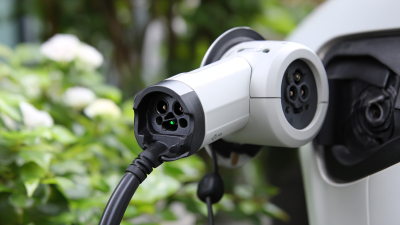
Electric vehicle connectors come in various types, each adhering to different technical standards. Understanding these standards is crucial for EV users. Types include Type 1, Type 2, and CCS, among others. Each connector has unique benefits. For instance, Type 2 offers faster charging and is widely used in Europe. Meanwhile, CCS combines AC and DC charging capabilities, enabling a quicker refueling process.
Tips: When choosing a connector type, consider your charging needs. Think about compatibility with charging stations. Some connectors might not fit all EV models. This could lead to unexpected challenges. Always check the specifications before relying on a particular station.
Additionally, understanding the differences in charging speeds can help users make informed decisions. Level 1 charging is slow but convenient for home use. Level 2 is faster for regular users. DC fast charging is optimal for long trips. However, not all vehicles support every type of charging. Research is key to avoid frustrating situations.
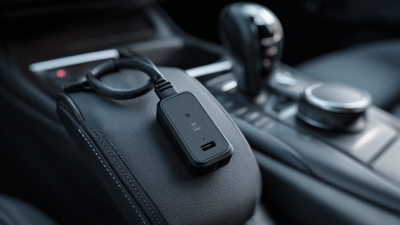
Tips: Keep a USB charger handy in your EV for emergencies. It can be a lifesaver if you find yourself near a low-charging station. Stay updated on local charging infrastructure, as this can change rapidly. Understanding connector types can lead to a smoother EV experience.
Benefits of Using CCS and CHAdeMO Connectors in the EV Market
As the electric vehicle (EV) market grows, charging infrastructure plays a critical role. Two prominent connector types are CCS and CHAdeMO. Both have unique benefits that enhance the user experience.
CCS, or Combined Charging System, supports fast charging. It can provide up to 350 kW, allowing a typical EV to charge to 80% in about 30 minutes. This rapid charging capability is vital for drivers looking to minimize downtime.
CHAdeMO, on the other hand, offers advantages for users seeking a reliable charging network. It was one of the first fast-charging standards for electric vehicles. Many charging stations globally support CHAdeMO, boasting an extensive infrastructure. Reports indicate that over 30,000 CHAdeMO stations exist worldwide, ensuring accessibility for users, especially in urban areas. However, some may find the charging speed slower compared to newer CCS stations.
When selecting a connector type, users should consider their location and traveling patterns. While CCS continues to expand, some regions maintain a stronger CHAdeMO presence. It's essential to evaluate personal charging needs. Each connector type shapes the EV experience in different ways. As charging technologies evolve, the focus should be on usability and efficiency for everyday drivers.
Comparative Analysis of AC and DC Charging Connectors for EVs
Electric vehicles (EVs) rely on charging connectors for effective energy transfer. The two main types are AC (Alternating Current) and DC (Direct Current) connectors. Each type has unique benefits and applications tailored to user needs.
AC connectors are widely used in home charging setups. They are suitable for overnight charging due to lower power levels. This type allows consumers to charge their vehicles while they sleep. Many public charging stations also utilize AC connectors. Meanwhile, DC connectors provide rapid charging options. They can supply significant power in a short time, making them ideal for long trips. In just a matter of minutes, an EV can gain substantial range.
**Tip:** Consider your daily driving habits. If most of your driving is local, an AC connector may suffice. But for longer journeys, look for DC fast chargers along your route.
Another factor to think about is connector compatibility. Different EV models may have different requirements. Not all connectors fit all vehicles. This can cause frustration if you're not prepared.
**Tip:** Always check your vehicle’s requirements before using a public charging station. This helps avoid unexpected issues. Planning ensures a smooth experience, whether charging at home or on the go.
Comparison of AC and DC Charging Connectors for EVs
Future Trends in EV Connector Technology and User Adoption Rates
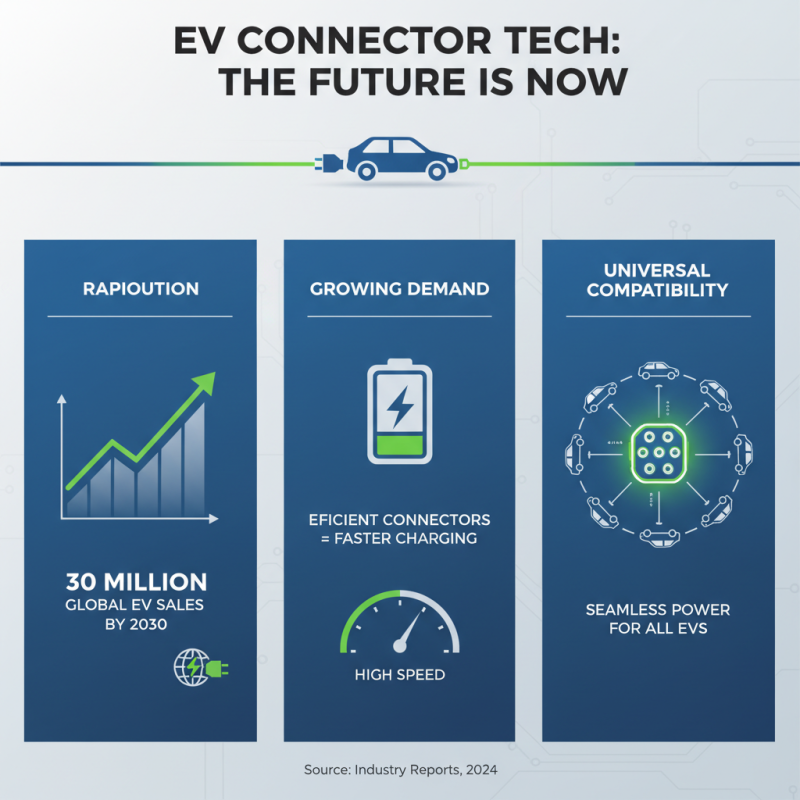
The future of EV connector technology is evolving rapidly. Industry reports indicate that global EV sales are projected to reach 30 million units by 2030. As adoption increases, so does the need for efficient connectors. Users are demanding higher charging speeds and compatibility with various EV models.
Data shows that fast-charging connectors can reduce charging time significantly. For example, CCS (Combined Charging System) can deliver up to 350 kW of power. This enables a full charge in under 30 minutes. However, not all charging stations support this technology yet. Accessibility remains a challenge.
Here are some tips to enhance your EV experience:
- Always check for the nearest fast chargers before a long trip.
- Consider the connector type used by your vehicle for optimal charging.
- Stay updated on local charging station developments.
Reflecting on user adoption, it's clear that awareness plays a big role. Many potential users still hesitate, unsure of charging availability. With proper education and infrastructure improvements, adoption rates could surge.