What is an Ev Wall Charger and How Does it Work?
An EV Wall Charger is a vital addition to the landscape of electric vehicle (EV) charging solutions. It provides a convenient way for EV owners to recharge their vehicles at home, making the transition to electric vehicles smoother. These chargers are designed to deliver power efficiently and quickly, offering an essential service for daily commuting.
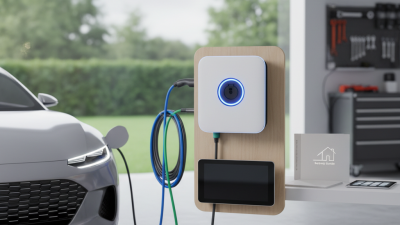
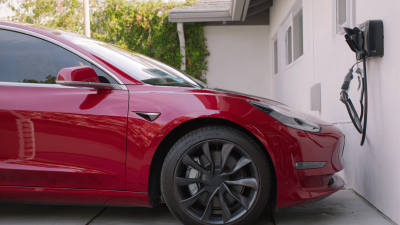
Understanding how an EV Wall Charger operates can enhance your experience as an EV owner. It typically connects to a standard electrical panel and can be mounted securely on a wall, minimizing space usage. This arrangement allows for easy access whenever you need to charge your vehicle. The advanced technology in these chargers ensures that the power delivery is both optimal and safe, protecting your battery’s lifespan.
While many EV owners find wall chargers beneficial, some may struggle with installation or compatibility issues. These aspects often require careful planning and professional insight. Proper installation not only ensures safety but also maximizes efficiency. Reflecting on the challenges of integrating such technology into homes, it becomes clear that an understanding of these systems is essential for maximizing the advantages of owning an EV.
What is an EV Wall Charger?
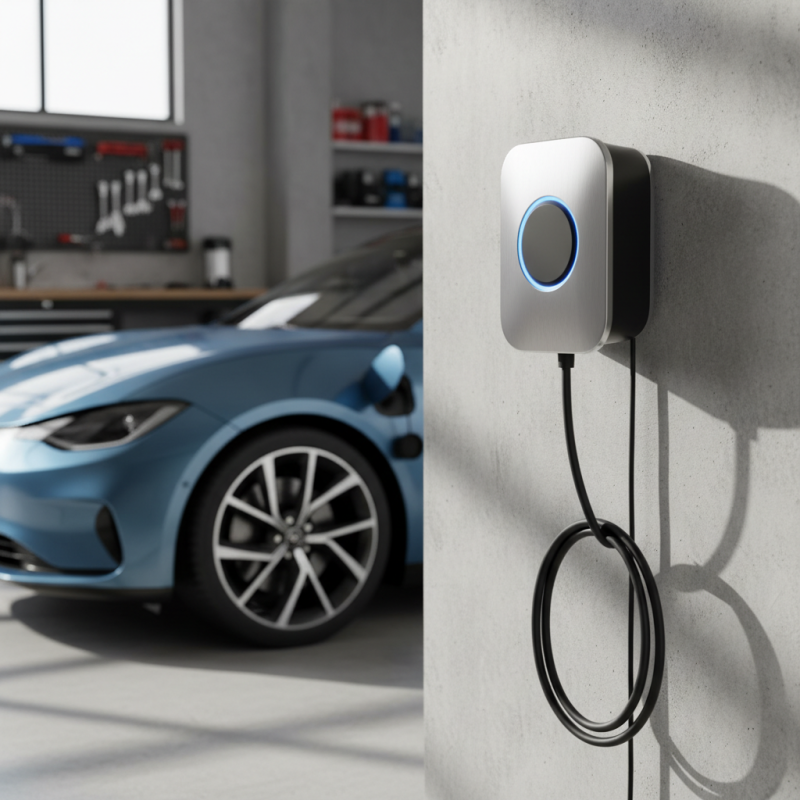
An EV wall charger is a vital component for electric vehicle (EV) owners. It allows for efficient charging at home, providing a convenient alternative to public charging stations. These devices are typically mounted on a wall and deliver a higher power output compared to standard outlets. According to the U.S. Department of Energy, the average home charging rate of Level 2 chargers can be around 30 miles of range per hour, which is significantly beneficial for daily commutes.
The design of an EV wall charger maximizes safety and user experience. Most chargers feature built-in safety protocols to prevent overcharging. However, not all chargers are equally efficient. Some models may pose installation challenges or require upgrades to home electrical systems. These factors can add to the overall expense. It's crucial to consider these variables when selecting a charger. Research by Navigant Research indicates that consumer preferences lean towards wall chargers that combine speed, usability, and reliability.
While EV wall chargers provide practical benefits, there are limitations. Installation costs can deter potential users. Moreover, access to reliable electrical infrastructure varies by region. This accessibility issue can affect the charger’s reliability and overall user experience. Consumers should weigh these factors carefully when investing in a charger for their electric vehicle.
What is an EV Wall Charger and How Does it Work?
| Feature |
Description |
Benefits |
| Charging Speed |
Typically charges at 3.3 kW to 22 kW. |
Faster charging compared to standard outlets. |
| Installation Location |
Can be installed at home, workplaces, or public areas. |
Convenience of charging where you park. |
| Connectivity |
Often includes Wi-Fi or Bluetooth for app integration. |
Allows for monitoring and managing charging remotely. |
| Compatibility |
Supports various EV models via universal connectors. |
Versatile use with different electric vehicles. |
| Safety Features |
Includes overcurrent protection, surge protection, and grounding. |
Enhances safety during charging. |
| User Interface |
Equipped with LED indicators, touch screen, or app controls. |
User-friendly experience for monitoring charging status. |
Key Components of an EV Wall Charger
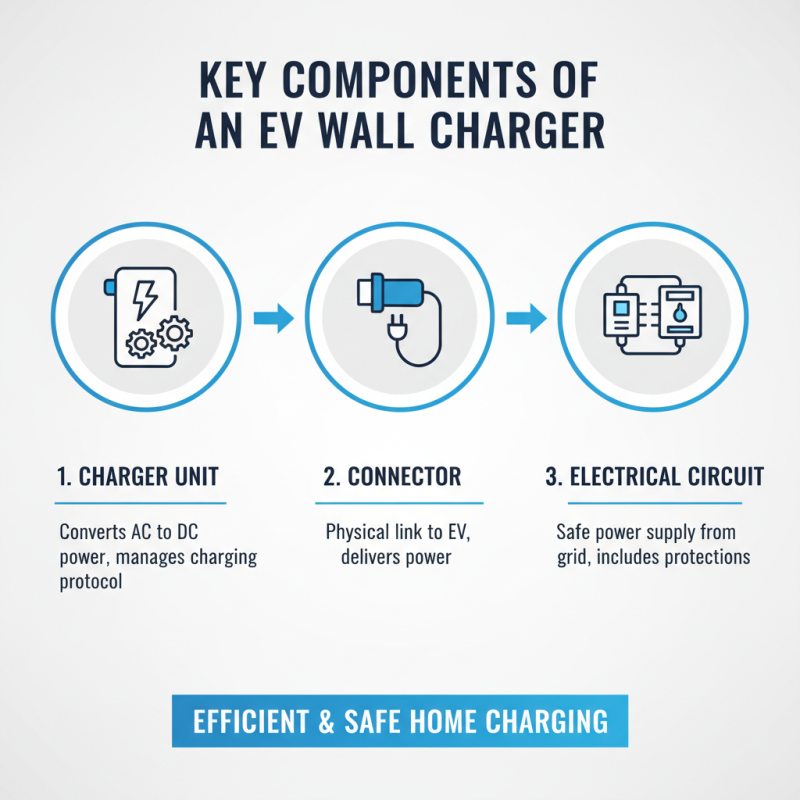
An EV wall charger is a critical component for electric vehicle owners, offering efficient charging solutions at home. These chargers primarily consist of three key components: the charger unit, the connector, and the electrical circuit. Each part plays a vital role in ensuring that your vehicle receives the right amount of power safely and effectively.
The charger unit, often wall-mounted, is designed to convert high-voltage electricity from the grid into a format suitable for charging an EV. A study by the Edison Electric Institute indicates that home charging can significantly reduce energy costs. This unit includes safety features to prevent overheating and electrical faults. The connector, on the other hand, physically links the charger to the vehicle. It must comply with various industry standards to ensure compatibility and safety. Interestingly, users might overlook the importance of using a compatible connector type, which can affect charging speed and efficiency.
Another crucial component is the electrical circuit, which must be capable of handling the electrical load. Residential electrical systems often require upgrades to support higher charging rates. Recent reports highlight that inadequate home wiring can lead to inefficiencies and safety concerns, making it essential for users to assess their home's electrical capacity before installation. Users should reflect on the balance between convenience and the potential cost of upgrading their electrical systems, particularly as EV adoption continues to grow.
How EV Wall Chargers Work: A Step-by-Step Explanation
EV wall chargers are essential for electric vehicle owners. They provide a convenient way to charge cars at home. Understanding their operation helps in optimizing their use.
When you plug your EV into a wall charger, electricity flows through the charging cable into the vehicle's battery. Most chargers operate on a 240-volt system, which charges faster than standard outlets. The charger communicates with the vehicle to ensure safe charging. This back-and-forth communication prevents overloads and regulates the power according to the battery's needs.
Tip: Avoid charging in extreme temperatures. It can negatively affect battery life.
Charger installation is key. Ensure proper placement near your parking area. A professional should set it up to ensure safety and efficiency. Regular maintenance is vital to keep your charger in top condition. Dirty connections can lead to inefficient charging or even damage.
Tip: Check for any wear or tear regularly to ensure optimal performance.
Types of EV Wall Chargers: Level 1 and Level 2
Electric Vehicle (EV) wall chargers come in two main types: Level 1 and Level 2. Each serves different needs and charging speeds, catering to various types of EV owners.
Level 1 chargers use a standard 120-volt outlet. This method is widely available. However, it is slow. Charging an EV overnight may provide only 4 to 5 miles of range per hour. For many drivers, this is adequate for daily commutes. It is also the least expensive option, but may not be suitable for those with longer travel needs.
Level 2 chargers operate on a 240-volt supply. They significantly reduce charging time, adding up to 25 miles of range per hour. While these chargers require installation, the benefits often justify the expense. A typical installation may take a few hours and involve hiring a professional electrician. Some users report mixed results with home setups. It’s crucial to assess local electrical capacity before proceeding.
Comparison of Level 1 and Level 2 EV Wall Chargers
Benefits of Using an EV Wall Charger at Home
Using an EV wall charger at home offers numerous advantages.
A study by the International Energy Agency (IEA) indicates that charging an electric vehicle (EV) at home can save drivers significantly compared to using public chargers. The cost per kilowatt-hour (kWh) for home charging is typically lower, averaging $0.13 in the U.S. This makes home charging a practical choice for many EV owners.
Convenience is another key benefit. With a wall charger, owners can plug in their vehicles overnight and wake up to a fully charged battery. This eliminates wait times often associated with public charging stations. A report from the U.S. Department of Energy shows that nearly 80% of EV charging occurs at home.
However, this setup does require a dedicated electrical system, which can lead to installation costs ranging from $300 to $1,500.
While many find that EV wall chargers simplify their daily routines, some aspects require thought. For instance, not all homes have the necessary electrical capacity. Upgrading home wiring can be a significant investment. Additionally, users must consider the environmental impact of their electricity source.
Renewable sources can greatly enhance the sustainability of EV charging at home. Thus, while the benefits are clear, a careful assessment of personal circumstances is essential.