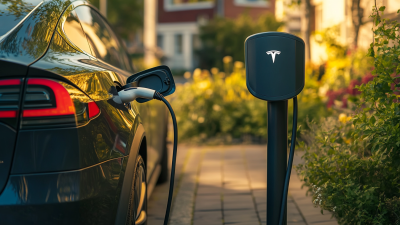
What is an Ev Wall Charger and Why Do You Need One for Your Electric Vehicle
Electric vehicles (EVs) have rapidly gained popularity as a sustainable transportation option, and with that surge comes the necessity of efficient charging solutions. One such vital solution is the EV Wall Charger, a device that allows electric vehicle owners to charge their cars conveniently at home. According to industry expert John Smith, a leading figure in the EV charging sector, "An EV Wall Charger not only enhances the convenience of owning an electric vehicle but also ensures that you are ready to hit the road at a moment's notice."
As the demand for electric vehicles continues to rise, so does the need for accessible charging infrastructure. An EV Wall Charger offers a practical solution by providing a dedicated charging point that can significantly reduce charging time compared to standard outlets. Homeowners can experience the ease of simply plugging in their vehicle when they arrive home, making it a seamless addition to their daily routine.
In conclusion, investing in an EV Wall Charger is not just about convenience; it's a step toward embracing an eco-friendly lifestyle. With the ability to charge efficiently and the growing network of EVs on the road, understanding the importance of this technology has never been more critical. As Smith aptly puts it, the right charging solution can empower individuals to fully capitalize on the benefits of electric vehicle ownership.
What is an EV Wall Charger?
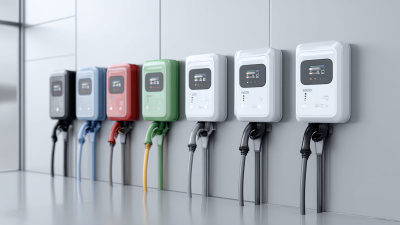
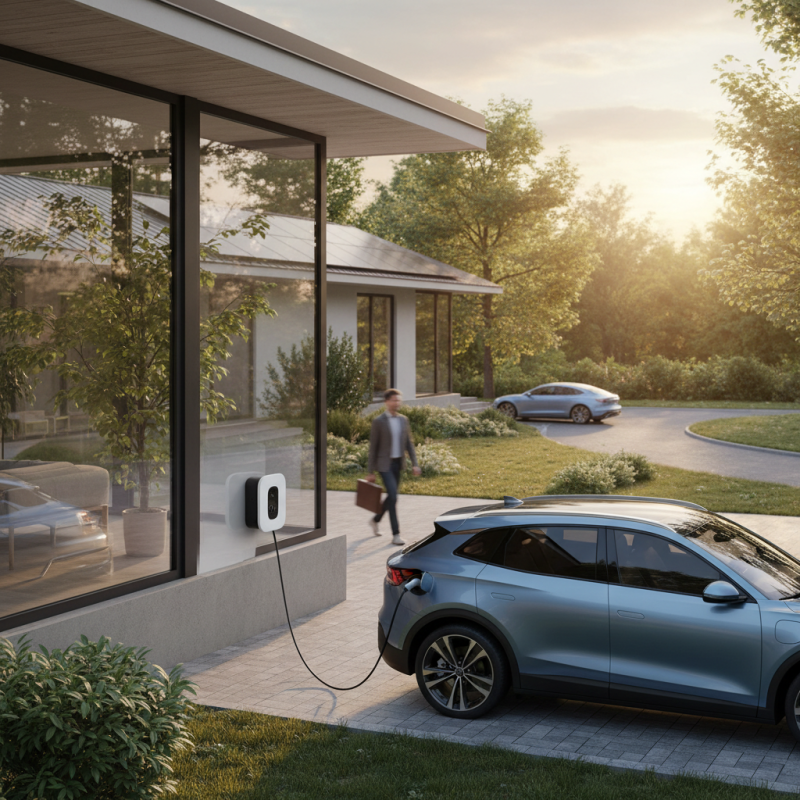
An EV wall charger
also known as a Level 2 charger, is a convenient and efficient solution for charging electric vehicles (EVs) at home.
Unlike standard household outlets that provide a slower charging rate, an EV wall charger connects directly to your electrical system, offering a higher voltage supply.
This means that you can recharge your vehicle's battery much faster, typically within a few hours, making it ideal for daily use.
Investing in an EV wall charger is essential for EV owners who want to enhance their charging experience.
With the ability to charge overnight or during the day while you're at home, this dedicated charger ensures your vehicle is always ready for the road.
Additionally, having a wall-mounted charger can significantly reduce the range anxiety often associated with electric vehicle ownership,
as you won't have to rely solely on public charging stations.
Overall, an EV wall charger provides convenience, efficiency, and peace of mind for those embracing electric mobility.
The Components of an EV Wall Charger
An EV wall charger, designed specifically for electric vehicles, comprises several essential components that work together to efficiently charge your vehicle. At its core, the charger features a control unit that manages the electrical flow, ensuring that your EV receives the correct amount of power. This unit is crucial for maintaining the safety and integrity of both the charger and the vehicle’s battery system.
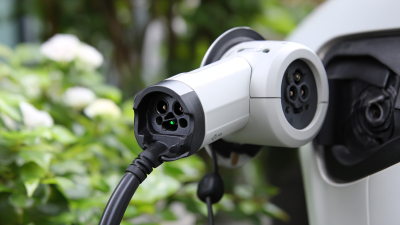
Another important component is the charging cable, which connects the wall charger to the vehicle. The cable is typically made of durable materials that can withstand outdoor conditions. It is equipped with connectors that fit the vehicle's charging port, allowing for a secure and reliable connection. Additionally, many EV wall chargers come with built-in safety features such as overcurrent protection, which helps prevent potential damage to the vehicle and ensures safe charging. Together, these components make an EV wall charger an indispensable tool for electric vehicle owners, facilitating convenient and efficient charging from the comfort of home.
Electric Vehicle Wall Charger Usage Overview
The chart below illustrates the annual usage of EV wall chargers by different vehicle types. This data highlights the growing adoption of electric vehicles and the importance of having an EV wall charger for convenient and efficient recharging.
The Benefits of Installing an EV Wall Charger
Installing an EV wall charger at home provides several advantages for electric vehicle (EV) owners. One of the primary benefits is the convenience of charging. According to a report by the International Energy Agency, over 80% of EV owners charge their vehicles at home, making residential charging a critical component of the EV ecosystem. A wall charger significantly reduces the time needed to recharge, enabling owners to start each day with a fully charged battery. This is especially beneficial for those who depend on their vehicles for daily commutes or errands.
Moreover, having an EV wall charger can lead to cost savings. Many utility companies offer lower rates for electricity consumed during off-peak hours, making home charging more economical compared to using public charging stations. A study by BloombergNEF indicates that home charging can save users an average of $300 annually in charging costs compared to using public infrastructure. Additionally, by investing in a home wall charger, owners can avoid the fluctuations and potential pricing surges that may occur at public charging sites, further enhancing the financial benefits of going electric.
What is an Ev Wall Charger and Why Do You Need One for Your Electric Vehicle - The Benefits of Installing an EV Wall Charger
| Feature |
Description |
Benefits |
| Charging Speed |
Typically faster than standard wall outlets, charging an EV in hours instead of days. |
Convenient for daily use, especially for those with long commutes. |
| Home Installation |
Installed at home, allowing for charging overnight. |
Eliminates the need to visit public charging stations frequently. |
| Smart Features |
May include connectivity options to manage charging through apps. |
Allows tracking of energy usage and scheduling charging during off-peak hours. |
| Safety Features |
Includes built-in protections against overcharging and short-circuits. |
Ensures safety while charging at home. |
| Cost Efficiency |
Lower energy rates during off-peak hours can reduce charging costs. |
Saves money compared to charging at public stations. |
Comparison of Home Charging vs. Public Charging Stations
When considering the choice between
home charging and
public charging stations for electric vehicles (EVs),
it’s essential to understand the differences in convenience, cost, and availability.
According to a report from the
International Energy Agency (IEA), over
80% of EV owners charge their vehicles primarily at home.
This trend is supported by the fact that home charging offers a level of convenience
unmatched by public stations, allowing owners to plug in overnight.
Charging times at home can average around
seven to ten hours with a standard Level 2 charger,
which is often sufficient for daily commutes and typical driving needs.
On the other hand,
public charging stations provide essential options for longer trips
or for those who do not have access to home charging. The
Department of Energy reports that the number of public charging stations in the U.S.
is growing rapidly, with over
100,000 charging outlets available as of 2023.
However, these stations can sometimes lead to longer wait times, particularly in
high-traffic areas. Cost also varies significantly; while home charging
can be more economical depending on local electricity rates, public charging fees can fluctuate
and may include additional costs for faster charging options or idle fees if the vehicle remains
connected after charging is complete. This makes
strategic planning of charging locations vital for maximizing
convenience and efficiency on the road.
How to Choose the Right EV Wall Charger for Your Vehicle
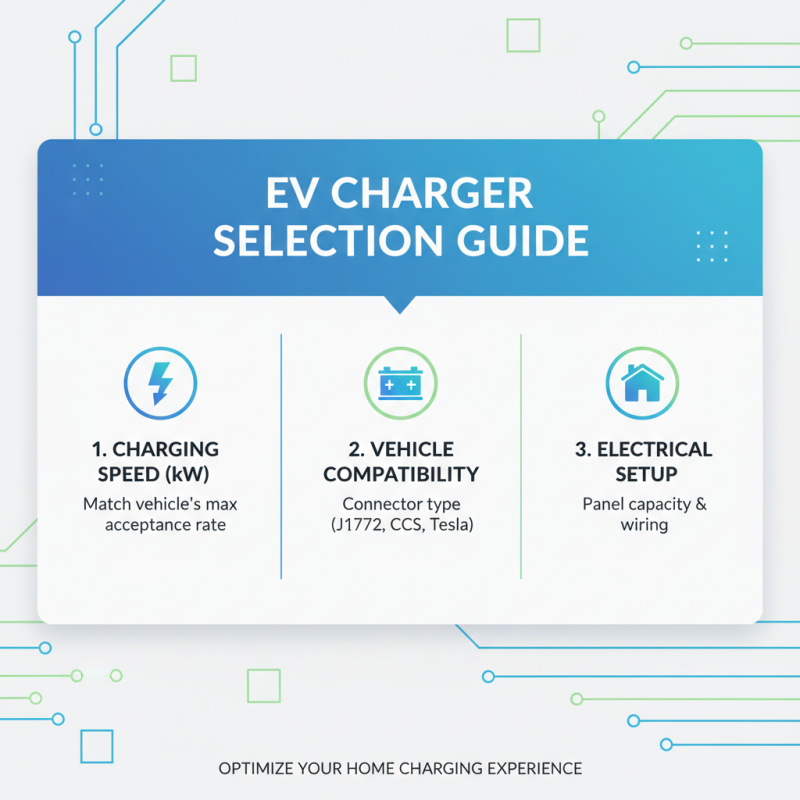
When selecting the right EV wall charger for your vehicle, consider several key factors that can significantly impact your charging experience. First, assess the charging speed you need. EV wall chargers come with different power outputs, measured in kilowatts (kW). A higher kW rating means faster charging; however, your vehicle’s onboard charger will determine the maximum rate at which it can accept power. It’s essential to check your vehicle specifications to find a balance between charging speed and what your car can handle.
Another important aspect is the installation requirements. Wall chargers typically need to be hardwired, which means professional installation is often necessary. Evaluate the location where you plan to install the charger, ensuring it is easily accessible while considering the proximity to your electrical panel. Additionally, consider whether you want a Level 1 or Level 2 charger, as Level 2 chargers deliver quicker charging times, but they may also require a more robust electrical setup. Lastly, think about smart features such as Wi-Fi connectivity or app integration, which can enhance your charging experience with remote monitoring and scheduling options.