How to Install an Electric Car Charger for Home and Save on Charging Costs
As the electric vehicle (EV) market continues to expand, the need for efficient and cost-effective charging solutions becomes increasingly vital for homeowners. According to a recent report by the International Energy Agency (IEA), the number of electric cars on the road is expected to reach 145 million by 2030. This surge translates to a greater demand for Electric Car Chargers for Home, as many EV owners are looking to charge their vehicles conveniently and economically. In fact, a study published by the U.S. Department of Energy revealed that home charging could cost up to 50% less per mile compared to traditional gasoline vehicles, highlighting the significant savings potential available to home EV owners.
Industry expert Dr. Emily Foster, a leading researcher in sustainable transportation, emphasizes the importance of home charging infrastructure, stating, "Investing in an Electric Car Charger for Home not only simplifies the charging process but also enhances energy independence and reduces overall transportation costs." This insight underscores the dual benefits of installing a home charger: the convenience of being able to charge easily and the long-term financial savings associated with home energy use.
With the right installation and maintenance practices, homeowners can optimize their electric vehicle charging solutions, making the transition to electric vehicles more seamless and sustainable. Therefore, understanding how to install an Electric Car Charger for Home becomes essential for maximizing both ecological benefits and economic savings.
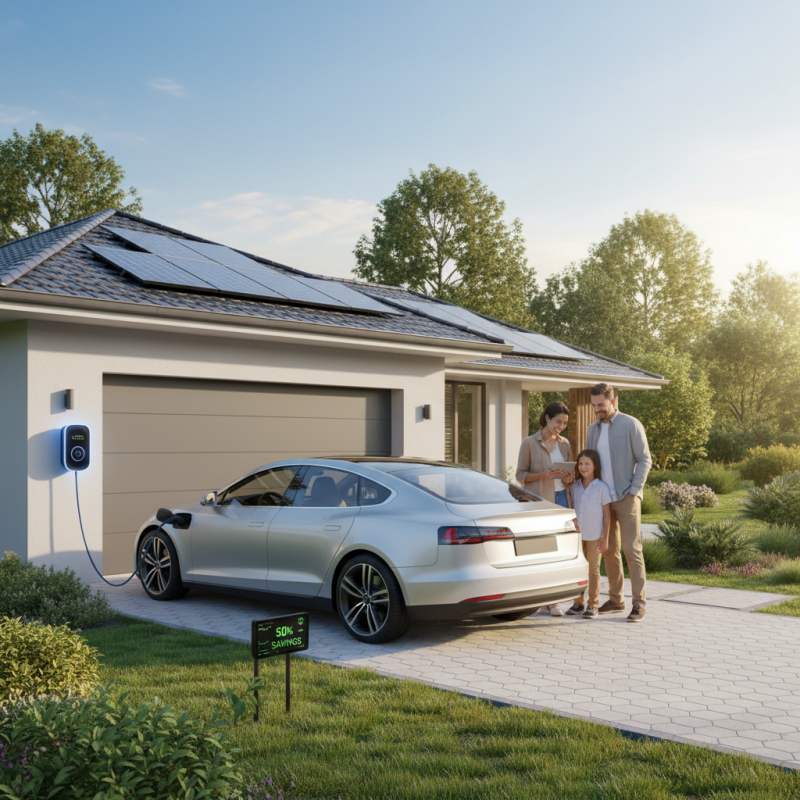
Understanding Electric Car Chargers: Types and Features
Understanding electric car chargers involves recognizing the various types and features available to optimize home charging.
The primary types include Level 1 and Level 2 chargers.
Level 1 chargers use a standard household outlet and are suitable for overnight charging, although they have slower charging speeds.
In contrast, Level 2 chargers operate on a 240-volt outlet, providing faster charging suitable for daily needs, particularly beneficial for those who drive longer distances.
When choosing a charger, consider key features such as charging speed,
smart technology, and compatibility with your vehicle.
Smart chargers offer app connectivity, allowing users to monitor and manage charging schedules, which can help in reducing electricity costs by taking advantage of off-peak rates.
Additionally, compatibility is crucial; ensure that the charger you select works with your specific electric vehicle model.
Tips: To maximize savings on charging costs, plan your charging sessions during off-peak hours when electricity rates are lower.
Additionally, look for rebates or incentives from local utilities that might offer financial assistance for installing home charging stations.
Regularly check for updates on charger technology, as advancements can provide better charging efficiency and cost savings.
Assessing Your Home's Electrical System for Charger Installation
Assessing your home's electrical system is crucial before installing an electric car charger. The first step is to evaluate your current electrical panel to ensure it can handle the additional load from the charger. Most home chargers require a dedicated circuit, typically rated at 30 to 50 amps, which may necessitate an upgrade to your electrical service if your panel is outdated or insufficient. Consider consulting with a qualified electrician who can assess your system and recommend necessary upgrades to accommodate the charger.
Tips: Before beginning the installation process, check if your home has enough electrical capacity. This involves measuring the amperage of your current panel and ensuring it aligns with the demands of the charger you intend to install. Also, look into potential energy savings by installing a Level 2 charger that allows faster charging during off-peak hours, which can significantly reduce electricity costs.
Additionally, ensure that the location where you plan to install the charger provides easy access to your vehicle and complies with local codes. It's wise to account for the distance from your electrical panel to the charger, as longer distances may require additional wiring and installation costs. By meticulously assessing your electrical system, you can streamline the installation process and optimize your electric car charging experience at home.
Step-by-Step Guide to Installing Your Home Electric Car Charger
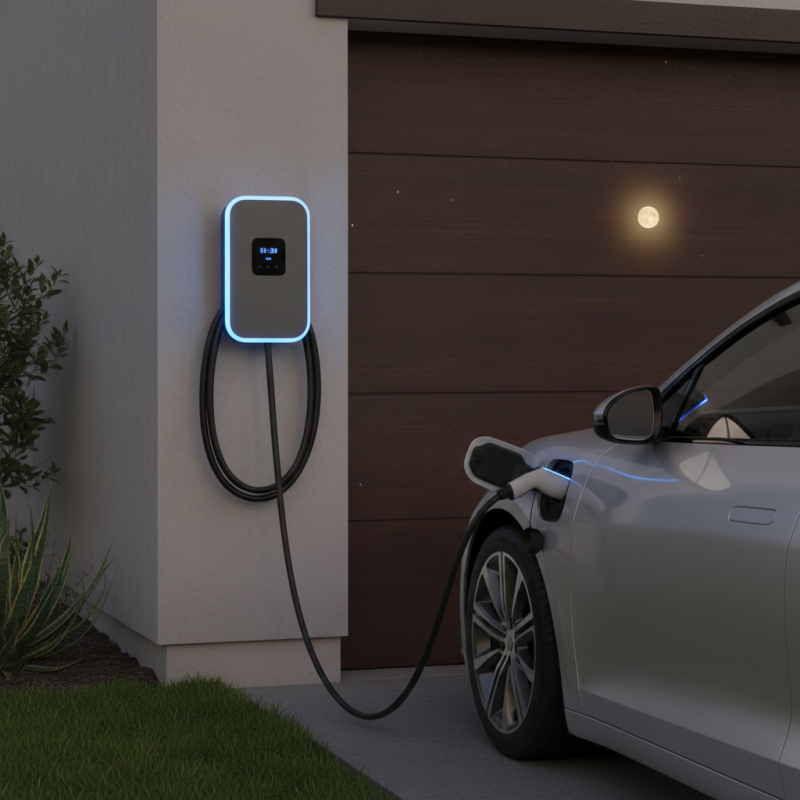
Installing an electric car charger at home can be a streamlined process when approached methodically. First, assess your electrical system to ensure it can handle the additional load required for charging. Consulting a certified electrician is advisable; they can help evaluate whether your existing infrastructure needs an upgrade. Once your electrical capacity is verified, choose a location for your charger—ideally, a sheltered area close to your parking space. This will not only provide convenience but also protect the charger from adverse weather conditions.
After establishing the location, the next step is to obtain the necessary permits, if required in your area. Following approval, your electrician will install the charger, connecting it to your electrical panel. It's crucial to ensure that the installation adheres to local electrical codes to maintain safety and efficiency. After installation, familiarize yourself with the charger’s operating instructions and best practices for use. By following these steps, not only do you set up a convenient charging station but you may also enhance your home's energy efficiency, ultimately saving on charging costs over time.
Cost Savings of Home Electric Car Charging vs. Public Charging
Tips for Reducing Charging Costs with an Electric Car
When it comes to reducing charging costs for your electric car at home, there are several strategies you can implement. First and foremost, consider installing a Level 2 home charger, which can significantly increase charging efficiency compared to standard outlets. This allows you to charge your vehicle faster during off-peak hours when electricity rates are lower. Many utility companies offer time-of-use plans, which can help you take advantage of these savings if you charge your car primarily during nighttime or early morning hours.
Additionally, keep an eye on energy efficiency by utilizing smart charging features available in many home charging systems. These functions enable you to schedule charging sessions automatically based on electricity rates or your daily routine, ensuring that you’re always charging at the most cost-effective times. Furthermore, practice good charging habits by avoiding frequent fast charging unless necessary, as it can increase overall electricity costs and wear down the battery more quickly. By employing these strategies, you can enjoy the convenience of electric mobility while effectively managing charging expenses.
Maintenance and Upgrades for Long-Term Charger Efficiency
When installing an electric car charger at home, it's important to consider not just the initial setup but also the long-term maintenance and upgrades that can ensure efficiency and longevity. Regular maintenance checks can help identify any wear and tear, ensuring your charger operates at peak performance. It's advisable to inspect the charger for any loose connections, signs of damage, or unusual wear. Keeping the area around the charger clean and free from debris can also prevent potential issues.
Tips for maintaining your electric car charger include scheduling annual check-ups, where a professional can conduct a thorough inspection. Additionally, consider investing in a smart charger that can provide software updates and self-diagnose issues, offering notifications for maintenance needs. This proactive approach means you won't be caught off guard by unexpected breakdowns.
Upgrading your charger may also enhance efficiency. If your home electrical system has undergone changes, such as renovations or electrical load increases, an upgrade can improve charging speeds and reduce costs. Evaluate your charger’s compatibility with the latest technologies to take advantage of energy savings over time. By prioritizing maintenance and upgrades, you ensure your charging station remains efficient and cost-effective for years to come.