How to Install a Project Ev Charger and Maximize Electric Vehicle Charging Efficiency
As electric vehicles (EVs) continue to gain popularity, optimizing the charging process is becoming increasingly essential for both efficiency and convenience. One of the best ways to achieve this is by installing a Project Ev Charger, a solution tailored to meet the unique needs of EV owners. This guide aims to provide insightful details on how to install this advanced charger effectively, ensuring that you can charge your vehicle quickly and reliably.
Understanding the various aspects of installation, including site assessment, electrical requirements, and safety considerations, is crucial for maximizing the benefits of a Project Ev Charger. Additionally, we will explore techniques to enhance charging efficiency, such as optimal placement, load management, and user-friendly features. By following the right steps, EV owners can create a seamless charging experience that complements their lifestyle while contributing to a sustainable future.
Understanding Project Ev Chargers: Types and Specifications
When considering the installation of a Project Ev Charger, it's essential to understand the different types and specifications available to maximize your electric vehicle (EV) charging efficiency. There are primarily three types of chargers: Level 1, Level 2, and DC fast chargers.
Level 1 chargers use a standard household outlet and provide a slow charging rate, making them suitable for home use where the vehicle is parked for long durations. In contrast, Level 2 chargers require a dedicated circuit and significantly reduce charging time, making them ideal for both residential and commercial settings. Moreover, DC fast chargers deliver a rapid energy boost, allowing for quick turnaround times, which are particularly beneficial in public charging stations.
Beyond the basic types of chargers, specifications such as charging power (measured in kilowatts), compatibility, and safety features are crucial. Higher charging power translates to faster charging capabilities, allowing the user to replenish their battery more efficiently. Compatibility with various EV models ensures versatility, while safety features, such as overcurrent protection and thermal management, are vital for preventing electrical hazards and ensuring reliable performance. By carefully considering these factors, you can not only enhance your EV charging experience but also contribute to a more sustainable future by optimizing the use of electric vehicle technology.
Necessary Tools and Equipment for Installation
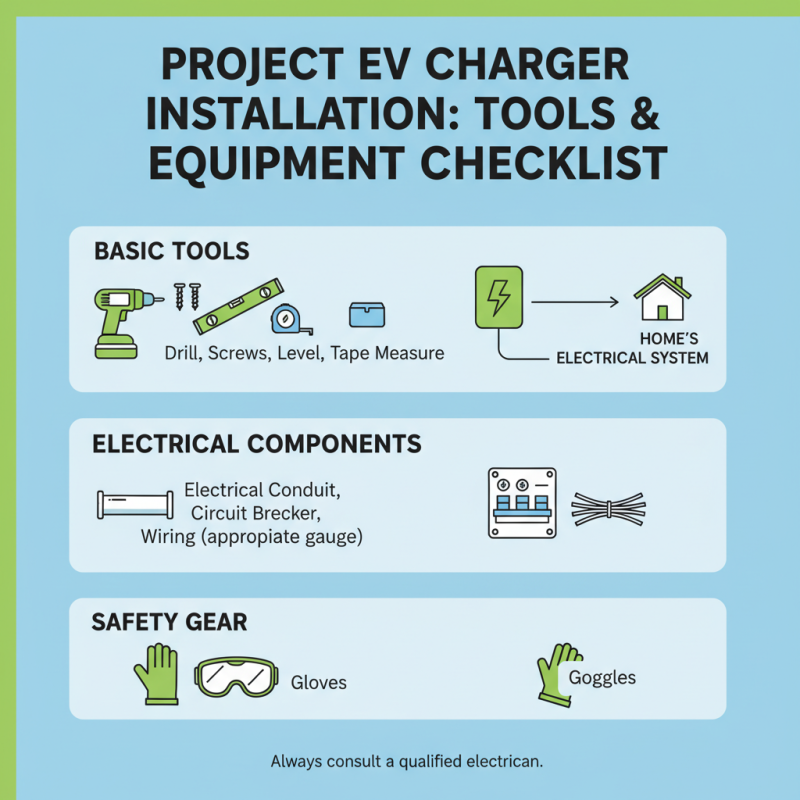
When preparing to install a Project Ev Charger, gathering the necessary tools and equipment is critical to ensure a smooth installation process. Start by gathering basic tools such as a drill, screws, a level, and a tape measure. You'll also need a conduit for electrical wiring, a circuit breaker, and appropriate wiring to connect the charger to your home's electrical system. It’s essential to have safety equipment like gloves and goggles to protect yourself during the installation.
Tips: Before starting your installation, double-check your local electrical codes and regulations to ensure compliance. Having a plan in place can save time and reduce errors during installation.
In addition to regular tools, you may require specific equipment like a voltage tester or multimeter to check the current and voltage levels. Proper grounding equipment is essential for the safety of your electric vehicle charger. Ensure you also have a sturdy wall mount that supports the weight of the charger and any additional strain during usage.
Tips: Utilize online resources or installation videos to familiarize yourself with the specific setup of your charger. This can provide insights into troubleshooting common issues and optimizing the electrical configuration for higher charging efficiency.
Step-by-Step Guide to Installing a Project Ev Charger
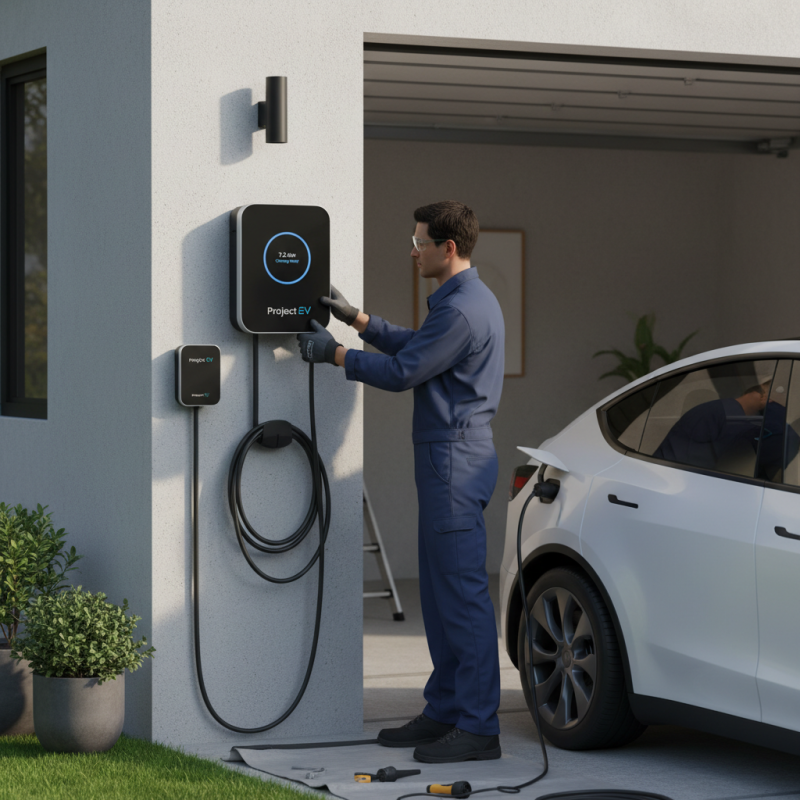
Installing a Project EV charger is a vital step in ensuring that your electric vehicle (EV) charging is both efficient and convenient. The process begins with selecting a suitable location for the charger, ideally in a sheltered area close to your parking space. According to a recent study by the International Energy Agency, the average EV can charge up to 7.2 kW using a Level 2 charger, which significantly reduces charging time compared to standard home outlets. Ensuring your electrical system can handle this load is crucial; you may need to consult with a licensed electrician to assess your home’s existing wiring and circuit load.
Once you've chosen a location, the next step involves properly mounting the charger. Follow the manufacturer’s installation guidelines closely, as these often include essential specifications for breaker sizes and wire gauge. Data from the U.S. Department of Energy indicates that correct installation can enhance charging efficiency by up to 20%. It’s also recommended to keep the charger clean and away from direct sunlight to maintain optimal performance.
**Tips:** Ensure that you use a dedicated circuit for your EV charger to prevent overloading other devices. Additionally, consider installing a smart charger that can optimize charging times based on electricity rates, allowing you to save on energy costs. Regularly monitoring the airflow around the charger can also help maintain its efficiency over time.
Tips for Optimizing Charging Efficiency and Performance
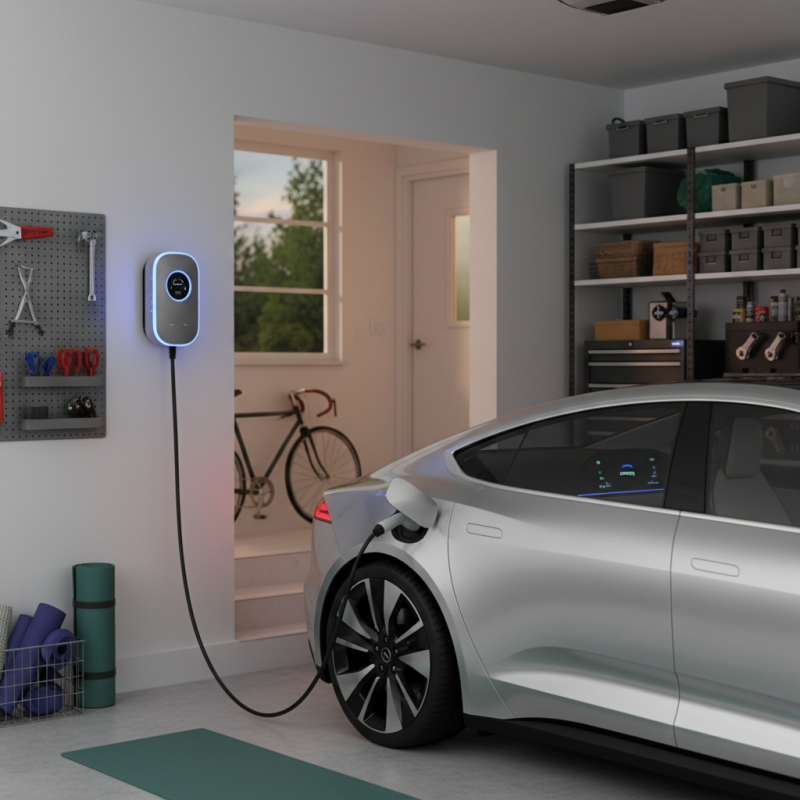
When installing a home charging station for electric vehicles, optimizing charging efficiency is essential to ensure that your vehicle charges quickly and effectively. One of the first steps to maximize performance is selecting the right location for the charger. Ideally, the charger should be placed close to your parking space to minimize the length of the cable run, which can lead to energy loss. Additionally, consider the orientation of your home in relation to sunlight. Installing the charger in a shaded area can help reduce overheating of the charger and the vehicle, thus improving charge times.
Another vital aspect of maximizing charging efficiency is engaging with smart charging technology. Many modern chargers come equipped with features that allow users to schedule charging during off-peak hours when electricity rates are lower, and demand is reduced on the grid. Utilizing these features not only enhances efficiency but also offers cost savings. Furthermore, keeping the charger and vehicle's charging ports clean and well-maintained can prevent connection issues that might hinder charging speed. Regularly checking for software updates for your charger can also ensure it operates at peak performance, as updates may include optimizations for better efficiency.
How to Install a Project Ev Charger and Maximize Electric Vehicle Charging Efficiency - Tips for Optimizing Charging Efficiency and Performance
| Dimension |
Value |
| Charger Type |
Level 2 |
| Charging Power |
7.2 kW |
| Typical Charge Time |
4-6 hours |
| Installation Cost |
$1,200 |
| Optimal Installation Height |
36 inches |
| Cable Length |
25 feet |
| Efficiency Rate |
90% |
| Recommended Circuit Rating |
40 A |
| Smart Features |
Schedule Charging, Remote Control |
| Warranty Period |
3 years |
Safety Considerations During Installation and Usage
When installing a Project EV charger, safety considerations should be the foremost concern to ensure a secure and efficient charging experience. First and foremost, it's crucial to use a professional electrician who is knowledgeable about the local electrical codes and regulations. This ensures that all wiring connections are properly configured to handle the load and that the installation adheres to safety standards. Overloading circuits can lead to overheating and pose serious fire hazards. Additionally, installing a dedicated circuit for your charger can help prevent tripped breakers and maintain a stable charging environment.
Another vital consideration is the location of the charger itself. Choose a dry, accessible area where rain or water can’t come into contact with electrical components. Adequate ventilation is also important to prevent overheating during charging. Using charging cables that are rated for outdoor use can further enhance safety by preventing wear from environmental exposure. Lastly, it is wise to incorporate surge protection devices to safeguard the charger from electrical surges caused by lightning or other power fluctuations, thus prolonging the life of the equipment and ensuring consistent charging efficiency.
Electric Vehicle Charger Efficiency by Time of Day