What is a Level 2 Home Charger and How Does It Work?
As electric vehicles (EVs) continue to gain popularity, understanding charging solutions becomes essential for EV owners. A Level 2 Home Charger stands out as a key option for efficient charging. Renowned electric vehicle expert Dr. Emily Sanders once said, "Having a Level 2 Home Charger can revolutionize the way we power our cars." This statement highlights the importance of optimal home charging solutions.
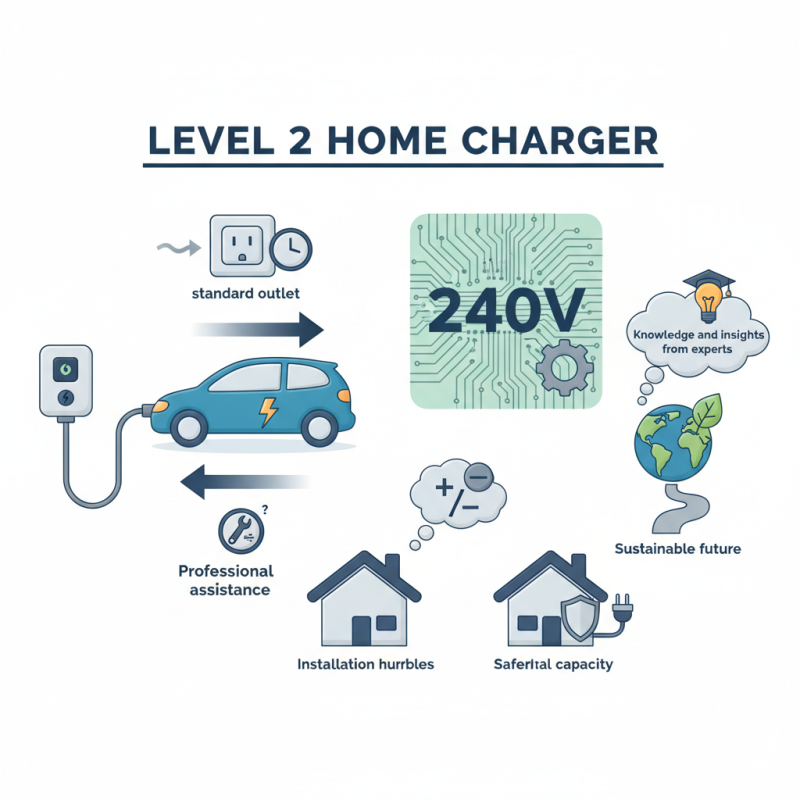
A Level 2 Home Charger provides much faster charging compared to standard outlets. It operates at 240 volts, significantly reducing charging time. Many owners find their charging experience much more convenient. However, installation may require professional assistance, which can be a hurdle for some. It's important to consider the electrical capacity of your home and ensure safety measures are in place.
Understanding the functionality and benefits of a Level 2 Home Charger is critical for EV enthusiasts. While it can seem overwhelming, proper guidance can simplify the process. The knowledge and insights from experts can help you make informed decisions. Embracing this technology could lead to a more sustainable future.
What is a Level 2 Home Charger?
A Level 2 home charger is an essential tool for electric vehicle (EV) owners. Unlike standard chargers, Level 2 chargers provide a faster and more efficient solution. They operate on a 240-volt outlet, which significantly reduces charging time compared to a Level 1 charger. Usually, it can restore about 25 miles of range per hour.
The installation of a Level 2 charger should be done by a qualified electrician. This ensures the charger operates safely and effectively. Proper placement matters too; placing it in a garage or on a dedicated outdoor spot offers convenience. It could be confusing for newcomers. Some drivers may not realize that upgrading their home wiring is necessary.
Most Level 2 chargers come with various features. These include smart technology for monitoring charging sessions via an app. However, users should note that not all chargers have the same compatibility. This can lead to frustration when trying to charge different EV models. Overall, while a Level 2 home charger can offer significant benefits, understanding its requirements is crucial for a smooth experience.
Components of a Level 2 Home Charger Explained
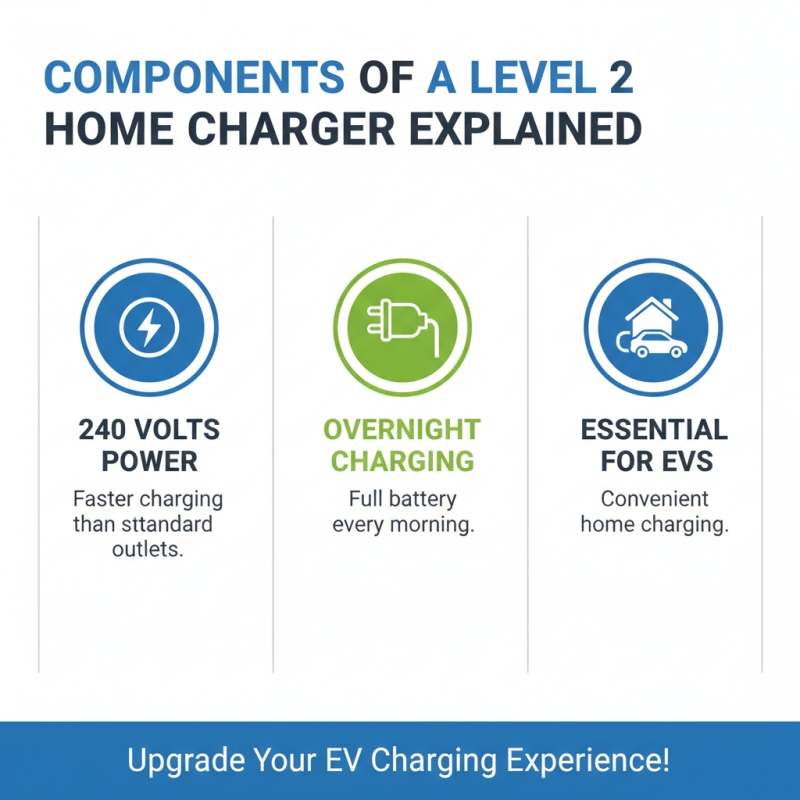
A Level 2 home charger is essential for electric vehicle owners. It operates at 240 volts, allowing significantly faster charging than standard outlets. This means you can charge your vehicle overnight and start each day with a full battery.
Key components of a Level 2 charger include the charging station, the connector, and the circuit breaker. The charging station typically houses the control panel and the power cord. The connector, which plugs into your car, varies in design and compatibility. Circuit breakers protect the electrical system from overloads, ensuring safe operation.
Installation requires careful consideration. An electrician may need to evaluate your home’s electrical system. Even with proper installation, users should routinely check for wear on cords and connectors. Recognizing signs of damage is crucial for safety. Regular maintenance practices can ensure longevity and reliability.
How Does a Level 2 Home Charger Function?
A Level 2 home charger is designed to deliver faster charging for electric vehicles (EVs) compared to a standard Level 1 charger. It typically runs on 240 volts, making it more efficient for daily use. These chargers are ideal for most home environments, providing convenience and reliability.
When you plug in your EV, the Level 2 charger communicates with the vehicle’s onboard charging system. This ensures the battery is charged safely and efficiently. The unit pulls high power, transforming it into a suitable voltage for the car. Installation might require a professional electrician, emphasizing safety and proper functionality.
**Tips:** Always ensure your home’s electrical system can handle the charger’s requirements. Regularly inspect cables for wear and tear to maintain safety standards. Consider the optimal location for ease of access, minimizing the risk of damage or accidents.
What is a Level 2 Home Charger and How Does It Work?
| Feature |
Description |
| Charging Speed |
Typically provides 240V and can charge an electric vehicle in 4-8 hours. |
| Installation Location |
Can be installed in garages or outdoor locations with appropriate weatherproofing. |
| Connectors |
Commonly features J1772 connectors for compatibility with most EVs. |
| Safety Features |
Includes ground fault protection and overcurrent protection for safety during charging. |
| Smart Charging |
Some models offer Wi-Fi connectivity for remote monitoring and control via smartphone apps. |
| Cost |
Average cost ranges from $400 to $800 for the unit and installation, depending on local labor rates. |
Advantages of Using a Level 2 Home Charger for Electric Vehicles
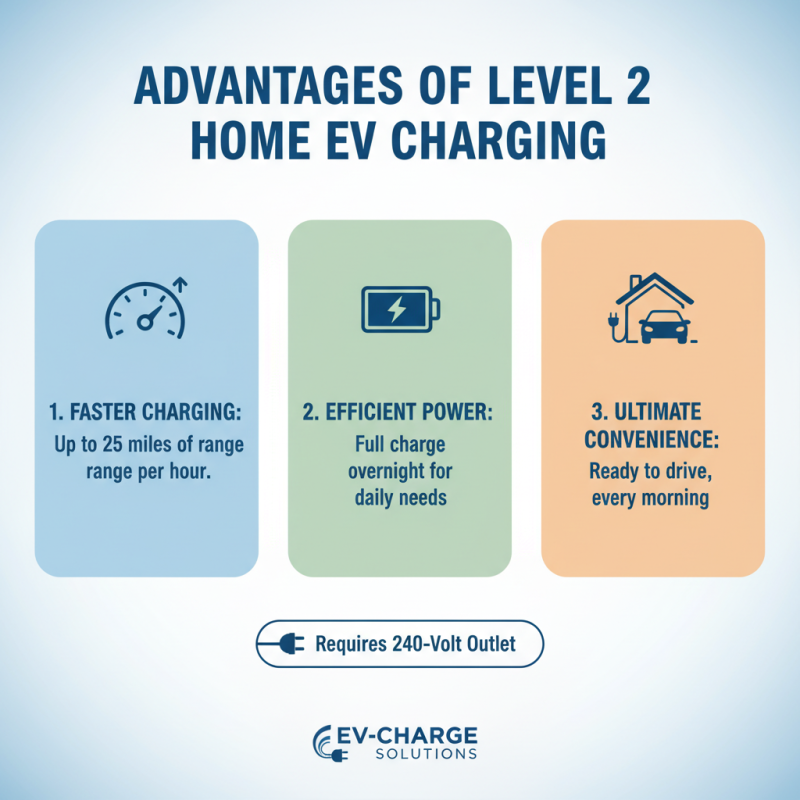
A Level 2 home charger is designed for electric vehicle (EV) owners who want to charge their cars efficiently. It operates on a 240-volt outlet, making it significantly faster than standard Level 1 chargers. With a Level 2 charger, you can gain up to 25 miles of range per hour of charging. This means overnight charging can replenish most daily driving needs. Its ability to provide a steady power flow makes it an ideal choice for daily convenience.
One key advantage of using a Level 2 home charger is its time efficiency. For those with busy schedules, this charger offers peace of mind. Imagine returning home after a long day, plugging in, and waking up to a fully charged vehicle. It eliminates the hassle of public charging stations. The predictability of charging at home provides security. However, installation costs need consideration. They can be quite variable, depending on your home’s electrical system.
Another benefit is the consistent charging speed. In many cases, it can significantly reduce the risk of running out of battery. Many users find that their driving patterns become more manageable. Yet, there is a catch; not everyone has a suitable space for installation. Some may face challenges related to electricity upgrades. Despite this complexity, many EV owners find the investment worthwhile. The long-term savings on fuel and maintenance can offset initial costs over time.
Industry Standards and Safety Regulations for Level 2 Chargers
Level 2 home chargers play a crucial role in transitioning to electric vehicles (EVs). Understanding industry standards and safety regulations is essential for using these chargers effectively. According to the National Electrical Manufacturers Association (NEMA), Level 2 chargers must meet specific requirements for voltage, amperage, and safety features. This ensures they can handle the electrical load while minimizing risks.
Furthermore, the Underwriters Laboratories (UL) has established testing procedures for these chargers. These procedures address overheating, short circuits, and other potential hazards. Compliance with UL standards ensures that chargers are not only efficient but also safe for everyday use. The California Electric Transportation Coalition reports that nearly 70% of charging sessions occur at home. This highlights the importance of having reliable, safe charging solutions.
Despite rigorous standards, issues still arise. Many homeowners lack proper installation knowledge. Installing a Level 2 charger without a professional assessment can lead to electrical mishaps. Regular evaluation of the installation and maintenance is also necessary to ensure continued safety and performance. Observing these factors allows for a more dependable charging experience.
Level 2 Home Charger Efficiency Comparison
This bar chart illustrates the efficiency of Level 2 home chargers over the years from 2020 to 2023. The data shows a steady increase in efficiency, reflecting advancements in technology and better energy management in home charging solutions.