Why Do You Need an Evse Charger for Your Electric Vehicle?
As the electric vehicle (EV) market continues to grow, understanding the importance of an EVSE charger becomes essential. According to the International Energy Agency, the number of electric cars on the road surpassed 10 million globally in 2020. This rapid increase highlights the need for reliable charging solutions. An EVSE charger is crucial for ensuring optimal performance and convenience for EV users.
Electric vehicle drivers often face challenges related to charging infrastructure. The Blink Network reports that only about 30% of potential EV owners feel comfortable with the current charging availability. This gap indicates a need for more accessible charging options, such as home-installed EVSE chargers. The convenience of charging at home not only saves time but also improves the overall driving experience.
Investing in an EVSE charger can lead to significant long-term benefits. Home chargers can offer lower electricity rates during off-peak hours, reducing costs. However, many still overlook the importance of this investment. Some may hesitate due to perceived installation difficulties or costs. Overall, understanding the value of EVSE chargers is crucial for every electric vehicle owner.
Importance of EVSE Chargers for Electric Vehicles
Electric Vehicle Supply Equipment (EVSE) chargers are essential for anyone owning an electric vehicle. They provide the means to charge your vehicle quickly and efficiently. Regular wall outlets may not deliver enough power for a full recharge within a reasonable time. Without a proper charger, you might find yourself stranded or unable to make the most of your vehicle's range.
An EVSE charger can significantly reduce charging time. For instance, a Level 2 EVSE charger can fully charge most vehicles in a few hours. This is crucial for daily use, especially if you have a busy schedule. Relying solely on standard outlets could lead to unnecessary inconveniences. Having an EVSE charger at home adds convenience and peace of mind.
Some people may hesitate to invest in an EVSE charger due to the initial cost. It’s important to weigh this against the long-term savings on fuel and maintenance. Charging could also become complicated if you frequently travel. You may find yourself planning around charging options. It's worth reflecting on your usage patterns to determine whether an EVSE charger will enhance your EV experience.
Understanding EVSE: Definition and Functionality
Electric Vehicle Supply Equipment, or EVSE, plays a critical role in the electric vehicle ecosystem. This equipment facilitates the charging of electric vehicles by providing the necessary power. Understanding its definition and functionality is essential for both current and prospective EV owners.
EVSE comes in various types, including Level 1, Level 2, and DC fast chargers. Level 1 chargers use standard home outlets. They are convenient for home use but charge slowly. Level 2 chargers are more powerful and commonly found in public spaces. They offer faster charging times, which can significantly reduce wait periods. It's crucial to choose the right type based on your usage needs.
Many users overlook the importance of EVSE. They might assume that any power outlet would suffice. However, using proper EVSE ensures safety and efficiency. It can also extend the life of the vehicle's battery. Without adequate equipment, you may encounter issues such as overheating or charging failures. Understanding how to utilize EVSE effectively can enhance your overall driving experience.
Types of EVSE Chargers: Level 1, Level 2, and DC Fast Charging
Electric Vehicle Supply Equipment (EVSE) chargers are essential for electric vehicle owners. There are different types, each serving unique needs. Level 1 chargers are the simplest. They plug into a standard outlet, making them easy to use. However, charging takes longer—often up to 24 hours for a full charge.
Level 2 chargers provide faster charging. They require a dedicated circuit but can fill the battery in a matter of hours. Many EV owners opt for home installation. While it's a great choice, it can be costly. Not everyone can afford the upfront expenses.
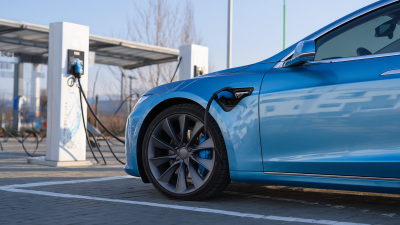
DC Fast Charging offers the quickest solutions. It can charge a vehicle in under an hour. However, these chargers are usually found at public stations. This can limit access, especially in rural areas. Some regions lack adequate infrastructure. This creates a gap for EV users who are on the road. Accessibility remains a significant concern that needs attention.
EVSE Charger Types Comparison
Benefits of Owning an EVSE Charger at Home
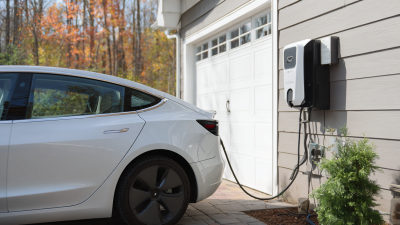
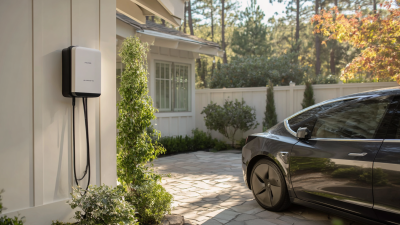
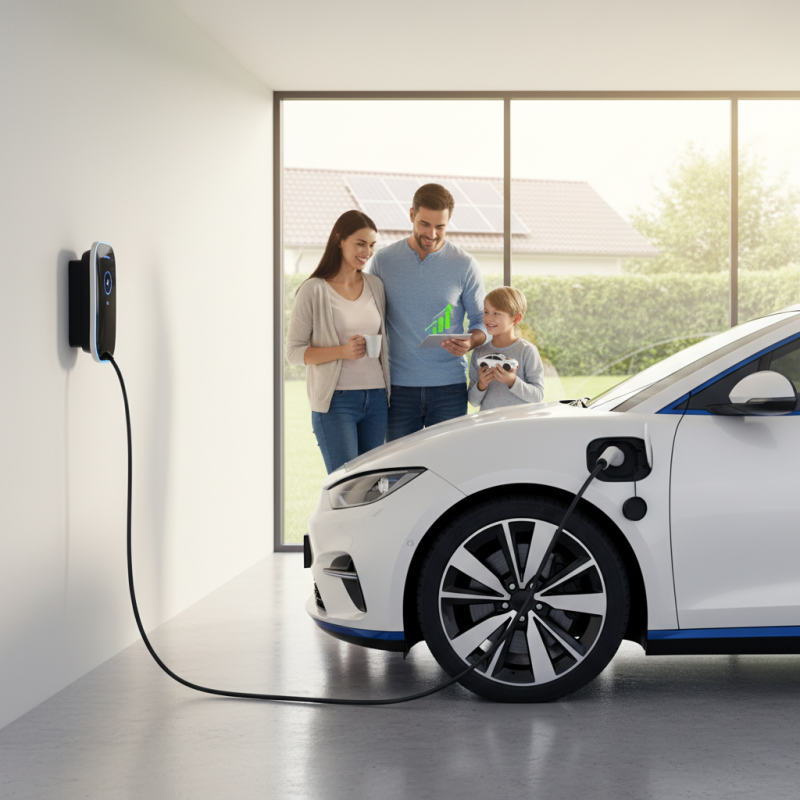
Having an EVSE charger at home brings numerous benefits for electric vehicle (EV) owners. One of the most significant advantages is convenience. You can charge your vehicle whenever you want without relying on public charging stations. Imagine coming home after a long day and simply plugging in your car. No more waiting in lines or searching for an available charger.
Cost efficiency is another major point. Home charging usually costs less than using public chargers. You can even take advantage of off-peak electricity rates. Over time, these savings add up, making ownership more enjoyable. However, some may need to upgrade their home electrical systems, which could be a hassle.
Having a dedicated charging station enhances safety as well. These chargers are designed specifically for EVs and minimize risks. Yet, it’s vital to ensure your installation is done correctly. Incomplete wiring can lead to dangerous situations. Regular maintenance and checks can help you avoid potential issues. The peace of mind you gain is worth the effort.
Cost Considerations and Incentives for Installing EVSE Chargers
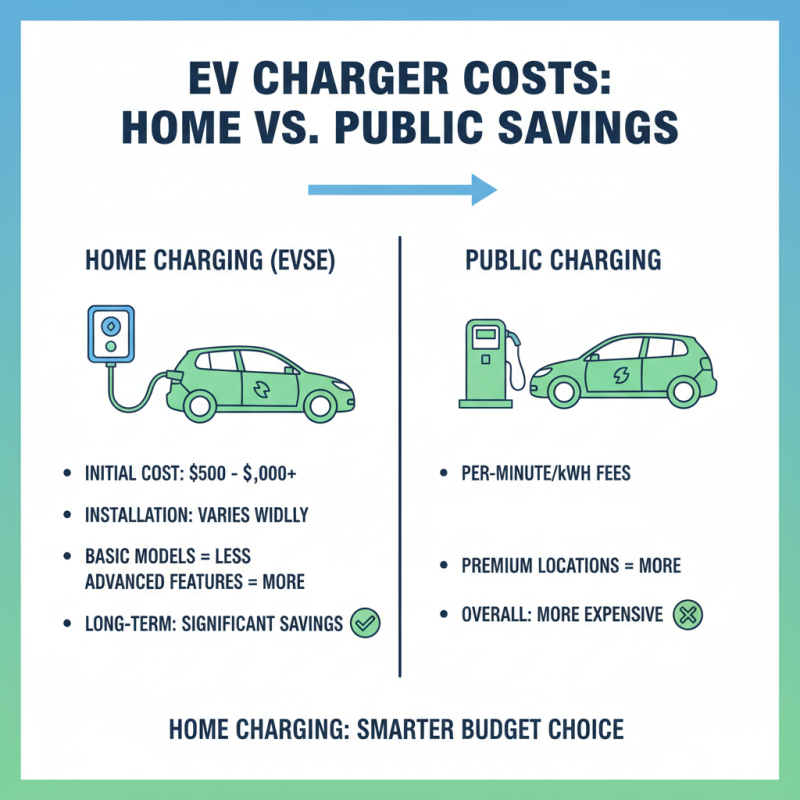
When considering an EVSE charger, cost is a key factor. Installation expenses vary widely. Some homeowners pay less by opting for basic models. Others may invest more in advanced features. Budget limitations can affect choices. Yet, long-term savings can offset these initial costs. Charging at home often proves cheaper than using public stations.
Incentives play a vital role in this decision-making process. Many regions offer tax credits or rebates for EV charger installation. These can substantially reduce the overall investment. However, understanding these programs can be confusing. Not all incentives are widely advertised. Research is essential to make the most of available offers.
Also, installation can sometimes reveal hidden costs. Electrical upgrades may be necessary, depending on home infrastructure. This could lead to unexpected expenses, which can cause frustration. Planning and budgeting for these potential costs is crucial. It empowers users to make informed decisions about their EV charging setup.