How to Set Up Wallbox Home Charging for Your Electric Vehicle?
The rise of electric vehicles (EVs) is a significant trend in the automotive industry. According to recent data from the International Energy Agency, global EV sales reached 6.6 million in 2021. This trend emphasizes the need for convenient charging solutions like Wallbox Home Charging. Installing a home charger is essential for EV owners. A Wallbox unit allows for overnight charging, providing a full battery for daily commutes.
Home charging improves the EV experience. It eliminates the hassle of searching for public chargers. A recent report by BloombergNEF highlighted that 70% of EV owners prefer home charging. This preference reflects a growing desire for convenience. However, some may struggle with installation costs or compatibility with their vehicles. It’s crucial to assess your home’s electrical infrastructure.
Not all homes are equipped for Wallbox Home Charging. Older wiring or limited power supply may require upgrades. Understanding these factors ensures a smooth installation process. The benefits of home charging are clear, yet challenges remain. Educating oneself on the options available is key to making informed choices for a sustainable future.
Understanding Wallbox Home Charging for Electric Vehicles
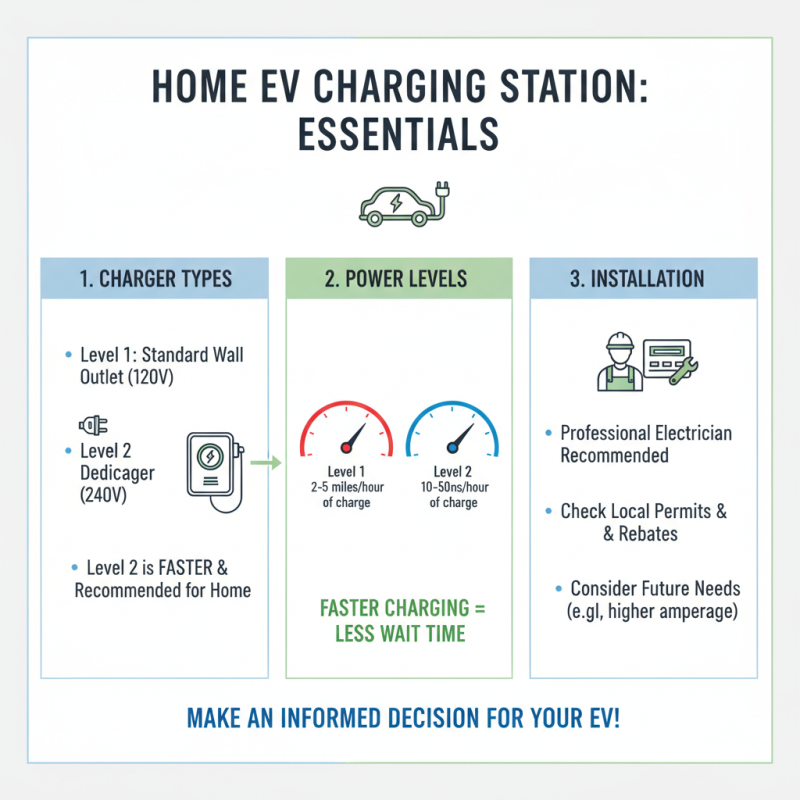
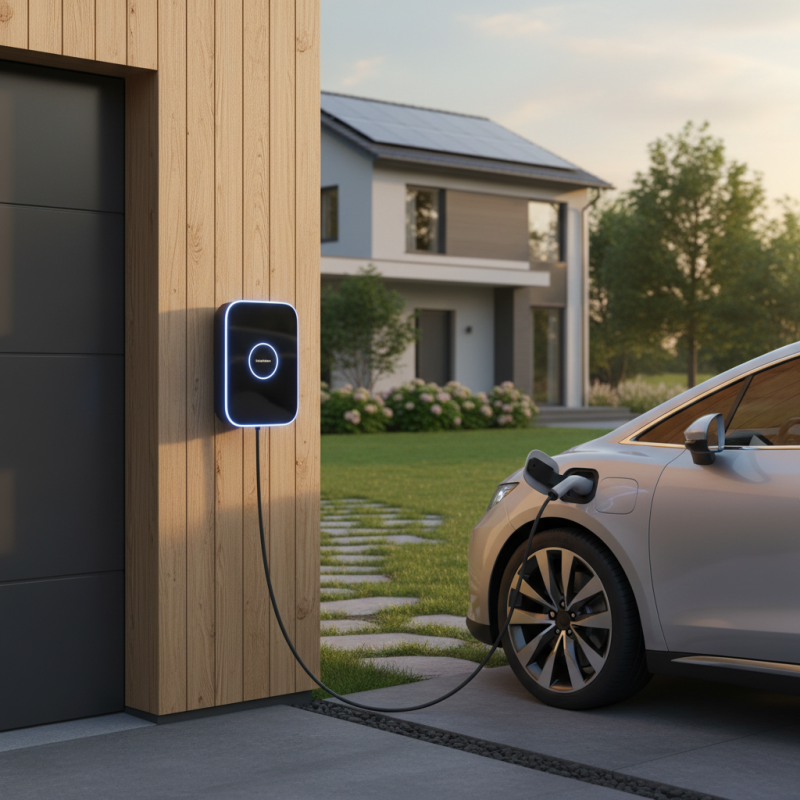
Setting up a home charging station for your electric vehicle can be a rewarding experience. Understanding the essentials of home charging will help you make informed decisions. Electric vehicle chargers come in various types and power levels. A Level 2 charger offers a faster charging speed compared to Level 1 chargers, making it a popular choice for home setups.
When considering installation, think about your parking space. Proper placement is crucial for ease of use. Ensure the charger is within reach of your vehicle’s charging port. Don’t forget about electrical capacity. Consulting with an electrician can prevent future headaches. They can check if your home's electrical system can support the charger.
Also, think about safety features. A good charging station should include overcurrent protection. Sometimes, the installation process can be tricky. It often requires permits and inspections, which can be a hassle. Be prepared for the unexpected. Ensure that your installation meets local regulations to avoid future complications. A well-planned home charging setup helps you drive with ease and confidence.
Selecting the Right Wallbox Charger for Your Needs
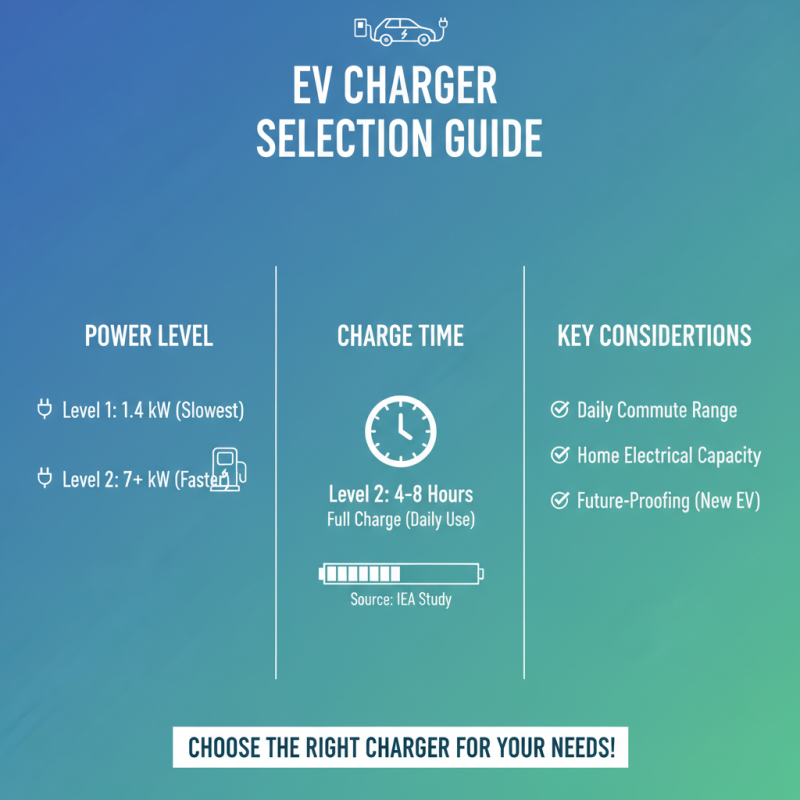
When selecting the right wallbox charger for your electric vehicle (EV), a few key factors come into play. The power level can vary significantly. Common options include Level 1 chargers, which offer 1.4 kW, and Level 2 chargers, providing more than 7 kW. A study by the International Energy Agency indicates that a Level 2 charger can replenish an EV’s battery in about 4 to 8 hours. This is crucial for daily use if you rely on your car for commuting.
Consider the amperage of the unit. Most wallbox chargers range from 16 to 40 amps. Higher amperage means faster charging times but requires proper circuit considerations. The U.S. Department of Energy reports that nearly 70% of EV owners charge at home. Therefore, identifying your energy needs is essential. Maybe you drive a long distance daily. A lower-powered charger might not suffice.
Looking into compatibility is also critical. Not all chargers work with every vehicle model. Additionally, housing infrastructure must accommodate the installation. Local building codes can vary widely. Research these regulations before making a purchase. Ultimately, there’s a balance to strike between your budget, the features you need, and the right charger for your EV lifestyle.
Preparing Your Home for Wallbox Installation
Preparing your home for Wallbox installation begins with understanding your electrical system. Many homes may need electrical upgrades. A 2022 report indicated that about 30% of residential properties lack sufficient electrical capacity for EV charging. This means assessing your circuit breaker and ensuring it can handle the additional load.
Consider the location of the charger. It should be easily accessible for your vehicle. Installing a charger in a garage is common. However, outdoor installations are also possible. Weatherproofing becomes a vital consideration in these cases. Also, check your driveway setup. Not all homes have spacious driveways, which can create parking challenges.
Get familiar with local building codes. Some areas may require permits for installation. Hiring a qualified electrician is crucial. They can evaluate the wiring and suggest necessary changes. An improper setup not only risks damage but could also void warranties. Remember, a thoughtful installation can enhance the overall efficiency of your charging experience while ensuring safety.
Step-by-Step Installation Process of Wallbox Charger
Setting up a home charging station for your electric vehicle can seem daunting. However, breaking it down into steps makes it manageable. Start by assessing your home’s electrical capacity. Many homes have a standard 100-200 amp service. According to the U.S. Department of Energy, this should support most Level 2 chargers. Yet, check with a professional if upgrades are necessary.
Next, choose the right location for your wallbox charger. Ideally, place it near your parking spot. It should be accessible, yet out of reach of potential hazards. Consider the average distance you drive. Studies indicate that 80% of EV charging occurs at home, so this will maximize your convenience.
Preparation is crucial. Some installations may require permits or comply with local codes. Not all homes are immediately ready for a charger. For instance, older homes might need wiring updates. This reflects a common oversight in planning. Think about coverage too. Ensure the cable length reaches your vehicle comfortably. While these steps may seem tedious, a well-prepared setup can enhance your daily routine significantly.
How to Set Up Wallbox Home Charging for Your Electric Vehicle? - Step-by-Step Installation Process of Wallbox Charger
| Step |
Description |
Tools Needed |
Estimated Time |
| 1 |
Choose the installation location for the charger. |
N/A |
30 mins |
| 2 |
Turn off the power supply to the area. |
Screwdriver, voltage tester |
15 mins |
| 3 |
Mount the charging station on the wall. |
Drill, level, screws |
1 hour |
| 4 |
Connect the electrical wires to the charger. |
Wire strippers, pliers |
1 hour |
| 5 |
Secure all connections and test the charger. |
N/A |
30 mins |
| 6 |
Turn on the power and confirm functionality. |
N/A |
15 mins |
Testing and Maintaining Your Wallbox Charging Setup
Setting up your home charging station is just the beginning. To ensure its longevity and efficiency, regular testing and maintenance are essential. Start by inspecting the installation regularly. Check for loose connections or visible wear. This can prevent future issues and ensure safe charging.
Tips: Consider scheduling a monthly check. It helps catch small problems before they escalate. Keeping a log of any maintenance activities can also be useful. This builds a history that could assist you or a technician later.
Another aspect to focus on is software updates. Often, manufacturers release updates for better performance or security. Make it a habit to check for these updates frequently. It can offer enhanced charging features that you might benefit from.
Finally, don't ignore the importance of having a qualified technician inspect your system annually. They can spot issues that may not be apparent to the average user. Investing in expert help can save you stress and money in the long run.