What is a Smart Home Charger and How Does It Work?
The rise of electric vehicles (EVs) has reshaped our charging needs. A Smart Home Charger can significantly enhance the charging experience. According to the International Energy Agency, electric vehicle sales rose nearly 140% in 2021. This trend highlights the increasing necessity for efficient home charging solutions.
Smart Home Chargers are designed to optimize charging times and manage energy consumption. They connect with home networks and can be programmed remotely. A study by Navigant Research indicates that smart charging infrastructure will grow to a $6 billion market by 2025. This growth provides insight into the critical role these chargers play in energy management and convenience.
While Smart Home Chargers offer numerous advantages, their setup can be complex. Users often face challenges with compatibility and installation. Understanding these potential difficulties is vital for maximizing their benefits. Engaging with industry professionals can also help address concerns, ensuring a smooth integration into your home.
What is a Smart Home Charger? Definition and Overview
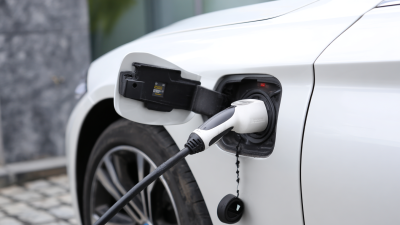
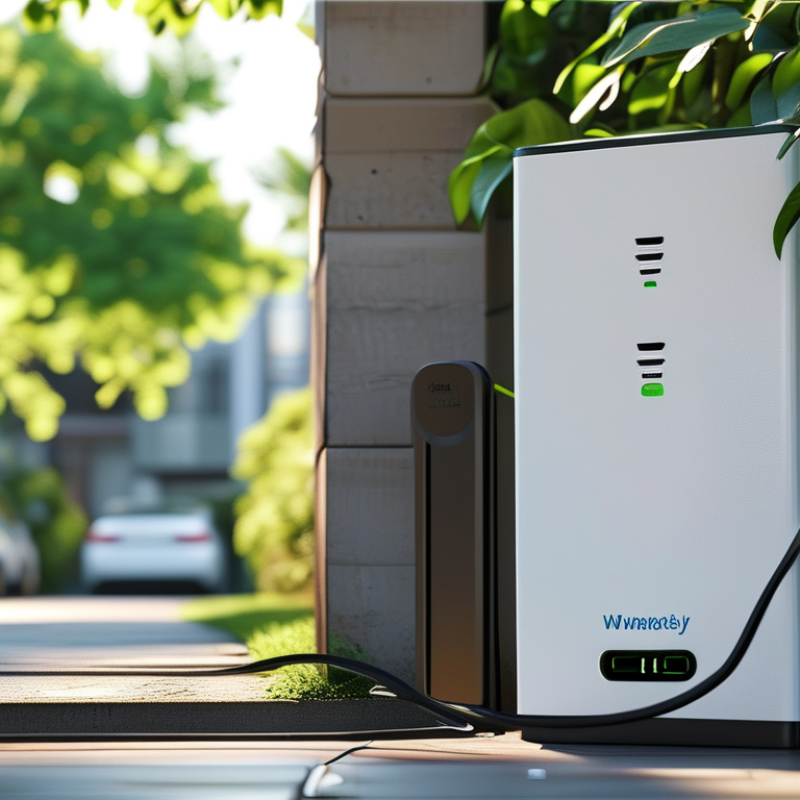
A smart home charger is an advanced device designed to charge electric vehicles (EVs) efficiently. It connects with home networks and allows for remote management. This technology can optimize charging times, thereby reducing costs and keeping energy use low during peak hours.
When using a smart home charger, it's vital to have a reliable Wi-Fi connection. An unstable connection can prevent you from accessing certain features. Moreover, regularly updating the device’s software ensures it operates efficiently. Users should also consider the location of the charger; it should be easily accessible for vehicle parking.
**Tips:** Make sure to read the manual for specific settings. Keep track of your charging patterns to maximize savings. Take time to explore various charging modes available on your device. Adjusting these settings can make a significant difference in how much energy you consume.
Key Features of Smart Home Chargers: Efficiency and Connectivity
Smart home chargers are revolutionizing how we power our devices. They offer a blend of efficiency and connectivity that traditional chargers cannot match. Data from industry reports indicate that smart chargers can optimize energy consumption, significantly reducing costs over time. For instance, utilizing smart chargers can cut charging times by up to 50%, providing noticeable convenience.
Key features of smart home chargers include energy monitoring and interface connectivity. Many models can sync with home networks, allowing users to track energy usage through mobile apps. According to recent research, more than 70% of users appreciate this functionality, as it fosters energy awareness. However, not every user enjoys seamless connectivity due to fluctuating network conditions, which may hinder charging efficiency.
Tips: Regularly update your charger’s software to enhance performance. Consider investing in models that support multiple devices to maximize utility. Choosing the right spot for placement can also improve connectivity. A poorly chosen location may lead to inefficient charging, which we don’t often think about.
Smart Home Charger Efficiency and Connectivity
This chart showcases key metrics related to smart home chargers, including their charging speed, network connectivity, energy consumption, and cost efficiency. The data illustrates the efficiency and overall effectiveness of smart home charging solutions.
How Smart Home Chargers Enhance Electric Vehicle Charging Experience
Smart home chargers are revolutionizing the electric vehicle (EV) charging experience. These devices are not just charging stations; they are integrated solutions that optimize energy usage in the home. Smart chargers can analyze energy consumption patterns and automatically adjust charging times. This feature helps reduce costs, as it can utilize off-peak energy rates. Many users appreciate this efficiency but may find the technology overwhelming at first.
These chargers also offer remote control capabilities through smartphone apps. Users can start or stop charging from anywhere, making it convenient for busy lifestyles. Notifications can alert users when charging is complete, ensuring they are always informed. However, some individuals struggle with app interfaces and connectivity issues. This can detract from the overall user experience, highlighting the need for simplicity in design.
Safety features are another crucial aspect. Smart home chargers often include built-in protections against overloading. They can monitor electrical flow, thus reducing fire hazards. This enhances user trust but requires regular updates to maintain performance. Some users may forget to check for updates, leading to potential risks. Overall, the evolution of smart home chargers shows promise but does demand user engagement and education to maximize benefits.
Industry Standards and Safety Regulations for Smart Home Chargers
Smart home chargers are increasingly popular due to their efficiency and convenience. However, understanding the industry standards and safety regulations that govern these devices is crucial for user safety. According to the International Electrotechnical Commission (IEC), smart chargers must meet specific energy efficiency standards, such as IEC 62196. This ensures that chargers minimize energy loss during operation, reducing environmental impact.
Safety regulations are equally important. The Underwriters Laboratories (UL) requires that smart home chargers undergo rigorous testing. These tests evaluate the devices for risks like overheating and electrical malfunctions. In 2021, UL reported that 30% of smart chargers tested failed to meet their safety standards. This calls for better awareness among consumers regarding device certifications before use.
Moreover, emerging technologies are pushing the need for updated regulations. As more homes incorporate solar energy, smart chargers will have to evolve in terms of compatibility and safety. Regulatory bodies have begun discussions on creating frameworks for these advancements. This highlights an ongoing need for vigilance and adaptation within the industry.
Market Trends and Projections for Smart Home Chargers in 2023
As we delve into 2023, the market for smart home chargers continues to evolve. This growth is driven by the increased adoption of electric vehicles and the rise of smart home technology. Many homeowners now want seamless integration. A smart home charger can automatically adjust its charging speed based on grid demand. This means less energy waste and lower electricity costs.
Data indicates that smart charger sales could rise significantly this year. Analysts project a compound annual growth rate (CAGR) of over 25%. This reflects consumer interest in convenience and energy efficiency. Yet, challenges remain. Not all homes are equipped for these chargers, especially older constructions. Some users may feel overwhelmed by the technological demands. They worry about compatibility issues with existing appliances or software updates.
Accessibility and expertise continue to be concerns. Many homeowners need guidance during setup and maintenance. This requires collaboration between manufacturers and professional installers. Consumers value reliable information when choosing products. They seek assurance that their investments will pay off in the long run. Addressing these issues will ensure that the smart home charging revolution is inclusive and user-friendly.