Top Tips for Choosing the Right Evse Charger in China
Choosing the right EVSE charger is essential for electric vehicle owners in China. The market offers a myriad of options, each with unique features and specifications. Understanding these can enhance the charging experience and ensure efficiency.
When selecting an EVSE charger, consider compatibility with your vehicle type. Different models support various charging speeds and connections. Additionally, factors such as installation requirements and the charger’s location can significantly impact usage. Seek chargers with user-friendly interfaces to simplify the charging process.
Lastly, reliability is key. Research brands with a proven track record. Read reviews and check warranty options. This approach provides peace of mind and enhances your overall charging experience. Selecting the right EVSE charger can be daunting, but informed choices lead to satisfaction.
Understanding Different Types of EVSE Chargers Available in China
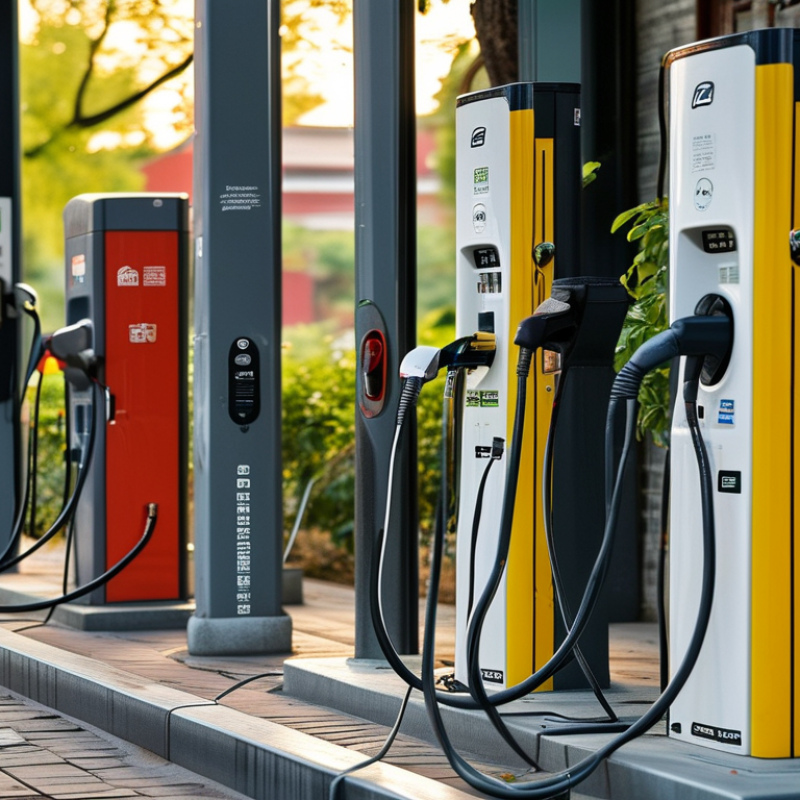
When choosing an EVSE charger in China, understanding the different types available is crucial. Several options cater to varying needs and preferences.
Level 1 chargers use standard outlets and are suitable for home use. They charge slowly but are convenient for overnight charging. Level 2 chargers provide a faster charge and are ideal for both residential and public charging stations. They often require installation by a professional, which can add complexity.
It’s essential to consider how often you'll use your EVSE charger. If daily charging is required, investing in a Level 2 charger is wise. Think about your installation space, too. Does it allow for a hardwired connection? Some installations may need adjustments to your electrical system.
Tips for selection include checking the compatibility with your vehicle and looking for certifications that ensure safety. Not all chargers are equal.
Some offer additional features like smart charging, which can save energy costs. Consider future expansion as well. Will you add more EVs later? Reflect on these details to find the right charger for your needs.
Key Factors to Consider When Selecting an EVSE Charger
Choosing the right EVSE charger is crucial for electric vehicle owners in China. The market is expanding rapidly, with a reported 50% growth in charging stations from 2020 to 2023. Selecting the appropriate charger requires careful consideration of multiple factors.
One essential aspect to evaluate is the charger’s power output. Most home chargers range between 3.3 kW to 22 kW. A higher output reduces charging time but may incur higher installation costs. Check the compatibility with your EV model. Not all vehicles can handle high power levels.
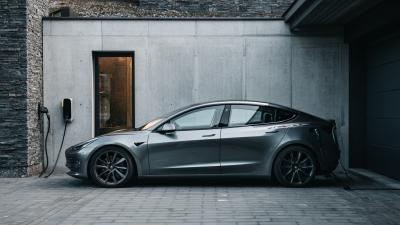
Another key consideration is installation location. Urban areas often have different requirements compared to rural locations. For example, limited space in cities may necessitate compact chargers. Additionally, installing a charger at home requires adequate electrical capacity and may need upgrades.
Tips for potential buyers include researching local regulations and incentives. Government reports indicate that subsidies are available for EVSE installations in many regions. Understanding these can save costs. Also, consult professional installers. Their expertise can guide you in making the most suitable choice.
While many options exist, not every model may meet your needs. Continually assess feedback from other users. Seeking common pain points can lead to better decisions and potentially reduce frustration. The right EVSE charger plays a significant role in enhancing your electric vehicle experience.
Evaluating Charging Speed and Compatibility with Your EV
When choosing an EVSE charger in China, it's crucial to evaluate charging speed and compatibility. Charging speed, usually measured in kilowatts (kW), significantly impacts how quickly you can power your vehicle. Typical levels include Level 2 chargers, which provide faster charging compared to standard wall outlets. However, not all EVs can handle high-speed charging. Understanding your electric vehicle’s capability is vital.
Compatibility is another critical factor. Different EVs use various connectors, so ensure your charger matches your vehicle’s requirements. Some chargers may support multiple connector types, which adds flexibility. If future-proofing is a concern, look for chargers that can adapt to new models and technologies. This can save you from future hassles when upgrading your EV.
It’s worth noting that faster charging is not always better. Rapid charging can strain your battery, impacting its long-term health. Regularly using high-speed chargers may decrease battery lifespan. It's essential to balance speed with efficiency and battery care. Be open to learning about your EV's specific charging needs to make a well-rounded decision.
Assessing Installation Requirements for Home and Public Chargers
When selecting an EVSE charger in China, assessing installation requirements is crucial. Many homes and public locations face unique challenges. For instance, residential setups may require different electrical specifications compared to commercial sites. According to the China Automotive Technology and Research Center, over 60% of new electric vehicle owners prioritize home charging convenience.
Home installations often need to align with existing electrical systems, which varies from one household to another. For example, older buildings might lack the power supply capacity for fast chargers. Surveys indicate that around 40% of users have encountered compatibility issues with their home wiring. This raises questions about safety and efficiency during installation.
Public chargers present their own set of complexities. Locations must consider traffic patterns and accessibility. In urban areas, about 50% of charging stations are placed in high-traffic zones, according to recent studies. Yet, only a fraction meet the necessary standards for user experience. This mismatch indicates a need for better planning and infrastructure development. Each installation context requires a tailored approach, balancing user needs with technical capabilities.
Exploring Pricing, Warranty, and Customer Support Options
When choosing an EVSE charger in China, pricing, warranty, and customer support play crucial roles. Reports from the China Automotive Technology and Research Center indicate that the average price range for residential EV chargers is between $300 to $700, depending on features and specifications. Understanding this pricing spectrum helps consumers select an option that fits their budget without compromising on quality.
Warranty options should not be overlooked. Many chargers come with warranties ranging from one to three years. This is a significant factor as reliability is vital for EV charging infrastructure. A report by the International Energy Agency reveals that a reliable home charger can last over a decade with proper maintenance. This longevity emphasizes the need for a solid warranty that covers potential defects or malfunctions.
Customer support is equally important for a satisfying experience. Many manufacturers offer 24/7 customer service and online troubleshooting resources. However, some users report delays in response times. A study by EVBox identified that 35% of customers faced unresolved issues due to inadequate support. This highlights a need for thorough research on customer service reputation before making a purchase. Choosing the right EVSE charger requires careful consideration of these aspects.
Top Tips for Choosing the Right Evse Charger in China - Exploring Pricing, Warranty, and Customer Support Options
| Charger Type |
Pricing (RMB) |
Warranty (Years) |
Customer Support Options |
| Level 1 Charger |
1,200 - 2,500 |
1 - 2 |
Email, Phone Support |
| Level 2 Charger |
2,500 - 5,000 |
2 - 3 |
24/7 Chat Support, Phone Support |
| DC Fast Charger |
10,000 - 25,000 |
3 - 5 |
Onsite Support, Email, Phone |
| Portable Charger |
800 - 1,800 |
1 |
Email Support |
| Smart Charger |
5,000 - 10,000 |
2 - 4 |
Mobile App, Chat Support, Phone |