Essential Tips for Choosing the Right DC Charger EV Adapter?
As electric vehicles (EVs) gain popularity, the demand for efficient charging solutions has surged. A recent report by the International Energy Agency (IEA) states that global EV sales reached 6.6 million in 2021, an increase of 108% from the previous year. This rapid growth highlights the necessity for reliable charging options. Among these options, the right DC Charger EV Adapter plays a crucial role in enhancing charging speeds and user experience.
Choosing the appropriate DC Charger EV Adapter can be daunting. Factors such as compatibility, power output, and efficiency must be considered. Many adapters boast fast charging capabilities, but not all deliver the promised performance. A well-chosen adapter can reduce charging times significantly. In contrast, a poor choice may lead to frustration and compromised vehicle performance. Buyers should not overlook user reviews and expert recommendations.
Mistakes can happen, and some users may find themselves unsatisfied with their adapter choices. Issues like overheating and slow charging can arise with incompatible products. Thus, understanding the ins and outs of the DC Charger EV Adapter can make a substantial difference. As the EV market continues to grow, making informed decisions is more important than ever.
Understanding the Basics of DC Charger EV Adapters and Their Types
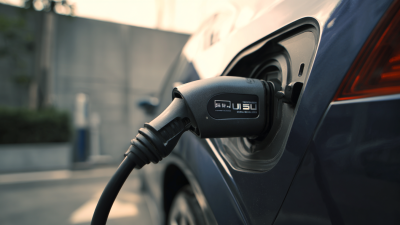
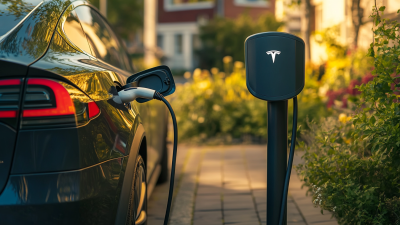
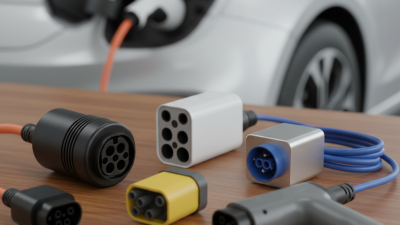
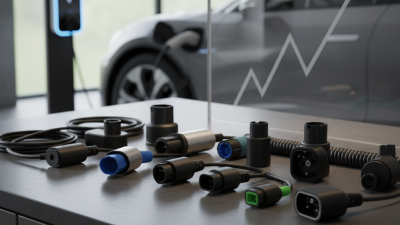
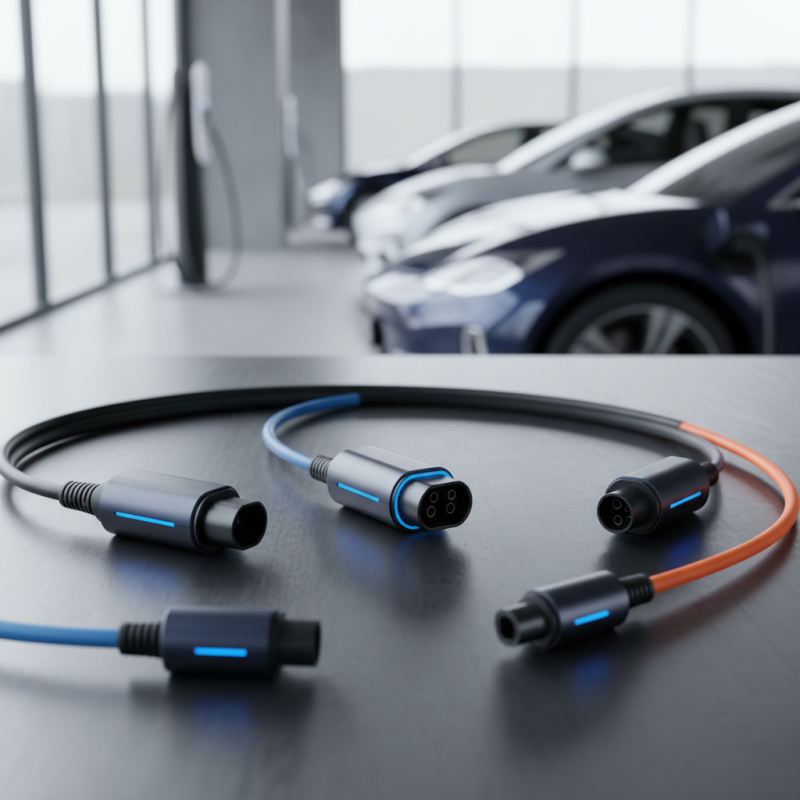
When choosing a DC charger EV adapter, it's crucial to understand the basics. DC chargers can charge electric vehicles much faster than traditional AC charging. There are various types available, such as CCS, CHAdeMO, and Tesla connectors. Each type caters to different models and brands. Knowing your vehicle's compatibility is essential. Sometimes, you might find a charger that looks suitable but doesn’t fit your car.
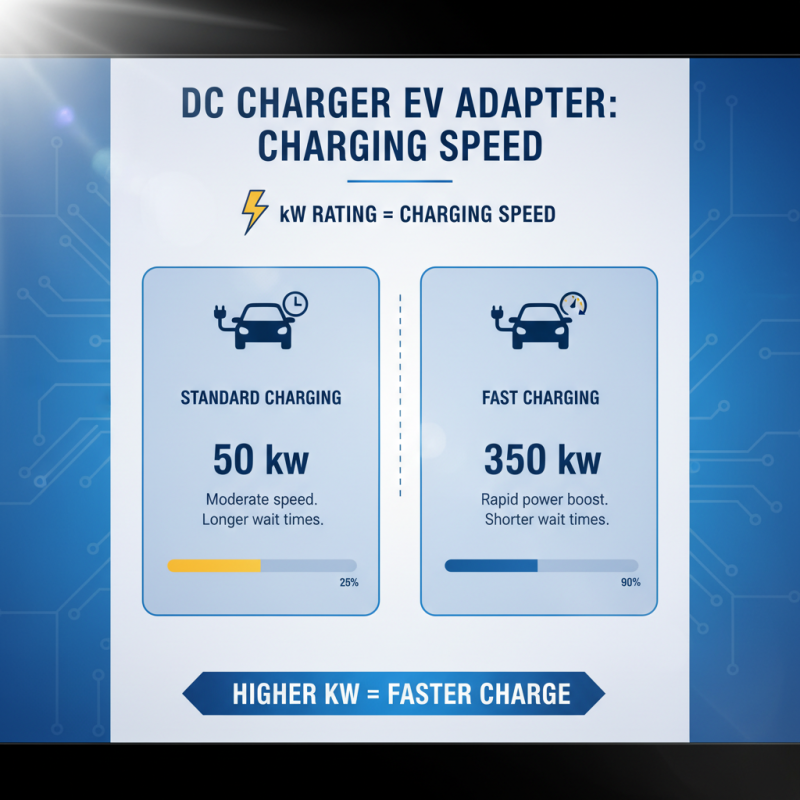
One tip is to check the power output. Chargers with higher output can charge your vehicle in a shorter time. However, ensure your vehicle can handle that power. Not all cars can utilize maximum charging speeds. It's also wise to consider the charging station locations near you. If a specific type of charger isn't available, you may experience inconvenient delays.
Another important factor is the cable length. Short cables can make finding a suitable charging spot challenging. You might end up parking awkwardly or in less convenient places. It can be frustrating. Look for adapters with longer cables for added flexibility. If your home setup lacks space, a compact charger might be beneficial. This could save you from potential headaches.
Key Factors to Consider When Selecting a DC Charger for Your EV
When selecting a DC charger for your electric vehicle (EV), several key factors should guide your choice. Charging speed is crucial; faster chargers reduce downtime. Look for models that provide adequate power output based on your vehicle's battery specifications. This ensures efficient charging without damaging the battery.
Compatibility is another essential aspect. Not all chargers work with every EV. Verify that the connector types and voltages match your vehicle's requirements. This prevents inconvenience and frustration during charging sessions.
Additionally, consider the total cost of ownership. While some chargers may seem inexpensive initially, ongoing expenses, like installation and maintenance, can add up. Remember, a charger’s reliability is vital. A faulty charger can lead to unexpected delays and disruptions. Reflect on your charging habits, and choose a charger that fits your lifestyle while meeting your EV's needs.
Essential Tips for Choosing the Right DC Charger EV Adapter
Compatibility Considerations: Ensuring Adapter Suitability for Your EV Model
When choosing a DC charger EV adapter, compatibility is crucial. Different electric vehicles (EVs) have varying charging requirements. A study indicated that about 40% of users mistakenly buy adapters that do not fit their vehicle models. This mistake can lead to inefficient charging or even damage.
It's essential to check the adapter's specifications against your EV's requirements. Look for voltage ratings and plug types. For instance, some adapters support only specific charging levels. Moreover, not all adapters provide the same speed. A recent report highlighted that charging speed disparities can be as high as 50%.
Many users overlook manufacturer recommendations. Ignoring these guidelines often results in suboptimal performance. It's worth acknowledging that compatibility issues can create serious inconveniences. Reflections on past purchases show the importance of thorough research. Always prioritize compatibility to ensure a seamless charging experience.
Safety Standards and Certifications for DC Charger EV Adapters
When selecting a DC charger EV adapter, safety is paramount. Understanding safety standards can protect both users and vehicles. Look for certifications from recognized organizations. These ensure that the charger meets stringent safety criteria. Common certifications include UL, CE, and FCC. Each indicates compliance with specific safety and electromagnetic compatibility guidelines.
In addition to certifications, consider the materials used in the adapter’s construction. High-quality materials help prevent overheating and electrical failures. Many adapters include built-in protection features like surge protection and overcurrent protection. These features minimize risks during charging. However, not all adapters have these safeguards. Check product descriptions carefully.
It’s crucial to stay informed about updates in safety standards. As technology evolves, so do safety regulations. Manufacturers may change materials or components without notice. Always verify that your adapter remains compliant with current safety certifications. Ignoring this can lead to potential hazards. Choosing the right DC charger adapter requires diligence and attention to detail, ensuring your EV charging experience is safe and reliable.