Top 10 EV Car Adapters What You Need to Know?
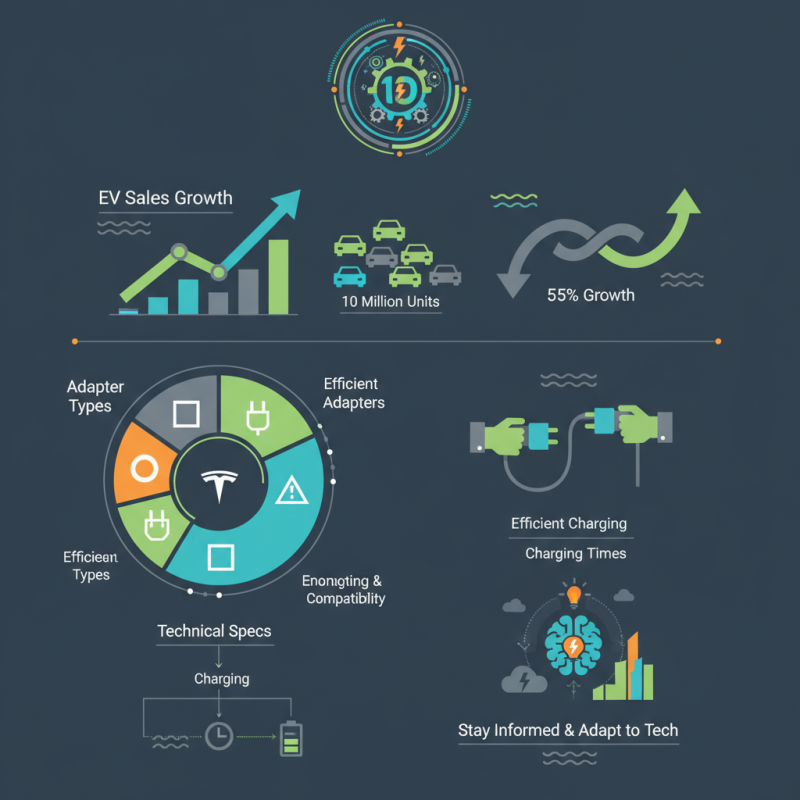
The rise of electric vehicles (EVs) has transformed the automotive landscape. In 2022, global EV sales hit 10 million units, marking a growth of 55% compared to the previous year. This surge emphasizes the need for reliable EV car adapters to meet diverse charging requirements. EV car adapters vary significantly in design and function, spotlighting the importance of understanding your options.
Investing in the right EV car adapter ensures efficient charging and compatibility with various charging stations. With different connectors and power levels available, choosing the appropriate adapter can greatly enhance your EV experience. For instance, Tesla's adapters offer unique features tailored to their vehicles, while other models cater to a broad spectrum of EVs. However, misinformed choices can lead to inefficiencies and compatibility issues.
It's vital to address the gaps in knowledge regarding EV car adapters. Many users overlook technical specifications that significantly impact charging times. As the market evolves, it's crucial to stay informed and adapt to changing technologies and infrastructure. Embracing this knowledge will empower users to make smarter choices in their EV journey.
Understanding EV Car Adapters: An Overview of Types and Functions
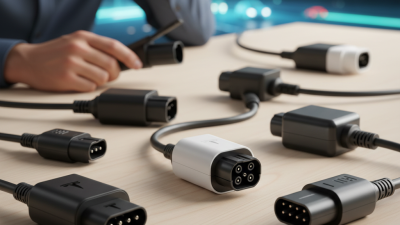
Electric vehicle (EV) car adapters play a crucial role in charging infrastructure. They enable seamless connectivity between the vehicle and charging stations. There are various types of adapters available today, each serving a specific purpose. Understanding these types is essential for EV users.
Two major categories exist: Level 1 and Level 2 adapters. Level 1 connects to standard household outlets, delivering a slower charge, typically around 4-5 miles of range per hour. For daily home use, it might seem adequate. However, many EV owners find Level 1 too slow for practical daily needs. On the other hand, Level 2 adapters provide a much faster charge, around 25 miles of range per hour. According to a 2022 report by the International Energy Agency, nearly 35% of EV users prefer Level 2 charging stations for their efficiency.
Another important aspect is compatibility. Not all EVs utilize the same adapter types, which can create confusion and inconvenience, especially for new EV drivers. It’s reported that nearly 20% of EV users have faced compatibility issues. This highlights the need for better consumer education on adapters and their functions. Ultimately, understanding EV car adapters ensures a smoother charging experience.
Key Features to Consider When Choosing an EV Car Adapter
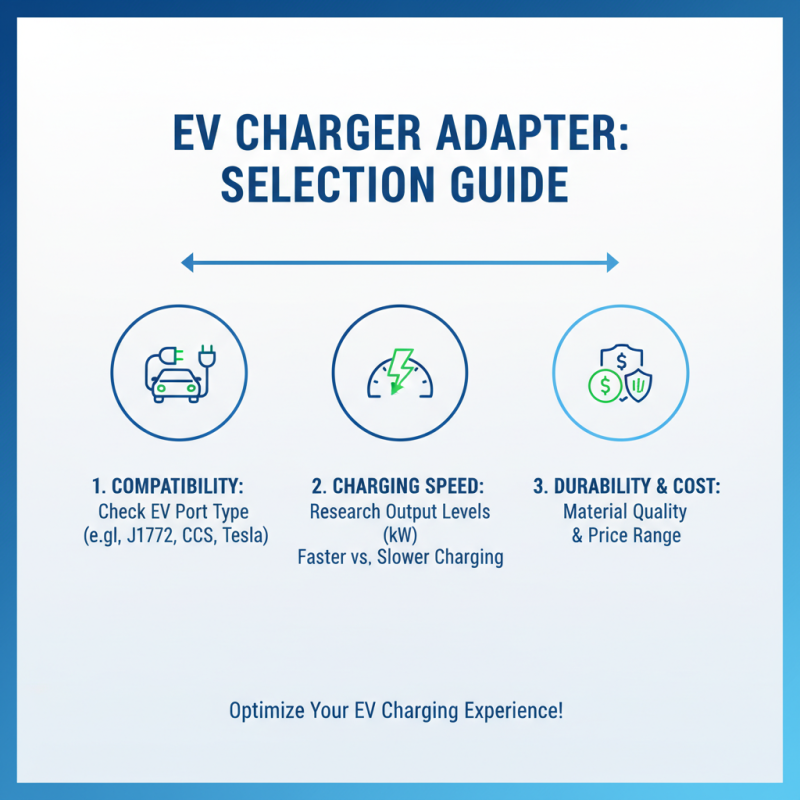
When selecting an EV car adapter, several key features should guide your decision. Start with compatibility. An adapter must work with your vehicle's charging port type. Not all systems are the same. Ensure the adapter suits your specific electric vehicle model. Now consider charging speed. Some adapters offer faster charging, while others are slower. Research the output levels they provide. It might affect your daily routine.
Next, think about durability. An adapter should withstand daily wear and tear. Look for rugged materials that resist heat and moisture. Weight is also a factor. Heavier adapters may feel more robust, yet they might be cumbersome to carry. Portability matters; a compact design can make a difference when storing. Always check user reviews for realistic insights about performance.
Finally, pay attention to additional features. Some adapters come with built-in safety protections. These can prevent overheating and overcurrent issues. A smart design can enhance your charging experience. Remember, not all features may be necessary for your situation. Reflect on what matters most to you before making a choice.
Top 10 EV Car Adapters: Detailed Comparison and Reviews
Choosing the right EV car adapter can be challenging. With many options available, it's essential to understand their differences. Each adapter type serves a specific purpose. Some are designed for home use, while others are better for public charging stations.
When comparing adapters, consider the charging speed. Some can charge a vehicle in just a few hours. Others may take much longer. Also, look at the compatibility with different EV models. Not all adapters work with every vehicle. Size and weight can be a concern, too. A bulky adapter might be hard to store in your car.
Don't forget to think about safety features. Overheating protection and surge protection are crucial. Your safety is important. Many adapters have varying levels of durability. Some might not handle long-term use well. Make sure to read reviews. User feedback can reveal hidden flaws in products. It helps when you know what to expect before buying.
Safety and Compliance Standards for EV Car Adapters
When it comes to electric vehicle (EV) car adapters, safety and compliance should be your top priority. These adapters allow you to charge your vehicle efficiently and safely. Yet, not all adapters meet the same standards. It’s crucial to understand the certifications they should carry.
Many adapters need to comply with safety regulations. Look for certifications like UL, IEC, or CE. These indicate that the adapter has passed rigorous testing for safety and reliability. Avoid adapters that lack clear labeling. They may pose risks to your vehicle and personal safety.
Tips: Regularly inspect your EV adapter for wear and tear. Ensure all connections are secure before use. If the adapter feels hot or shows signs of damage, replace it immediately.
Charging your EV should not be a gamble. Compatibility is key. Not all adapters fit every charging station. Always check specifications before purchasing. This can save you time and potential damage.
Tips: Keep a record of the adapters you’ve used. Note down any issues. This can help you make better choices in the future. Remember, your safety is just as important as the technology behind the adapter.
Top 10 EV Car Adapters - What You Need to Know?
| Adapter Type |
Charging Power (kW) |
Connector Type |
Safety Standards |
Compatibility |
| Type 1 |
3.7 - 7.4 |
Type 1 |
UL, CE |
Japanese and US vehicles |
| Type 2 |
11 - 22 |
Type 2 |
IEC 62196, CE |
Europe and global market |
| CCS (Combo 1) |
50 - 350 |
CCS Type 1 |
IEC 62196, UL |
US and European vehicles |
| CCS (Combo 2) |
50 - 350 |
CCS Type 2 |
IEC 62196, VDE |
European vehicles |
| CHAdeMO |
50 - 100 |
CHAdeMO |
IEC 61851, UL |
Japanese vehicles |
| Tesla Connector |
11 - 22 |
Tesla |
UL, CSA |
Tesla vehicles |
| Portable EV Charger |
3.7 - 7.4 |
Type 1 / Type 2 |
CE, RoHS |
Global |
| Fast Charger |
22 - 150 |
Type 2 / CCS |
UL, TUV |
Multiple vehicle types |
| Level 2 Charger |
7.2 - 19.2 |
Type 1 / Type 2 |
UL, CE |
Global market |
| Home Charger |
3.7 - 22 |
Type 1 / Type 2 |
CE, RoHS |
All EVs |
Installation and Maintenance Tips for Optimal EV Adapter Performance
When it comes to electric vehicle (EV) adapters, proper installation is crucial. Start by reading the user manual carefully. Many overlook this step, but it can save you time and hassle. Ensure the adapter fits your vehicle's charging port snugly. A loose connection can lead to inefficient charging.
Remember to regularly check your adapter for any signs of wear. Look for frayed wires or damaged connectors. These can cause short circuits or overheating. If any issues are detected, replace the parts immediately. Ignoring these details could risk safety.
Keep your adapter clean and dry. Moisture can lead to corrosion, affecting performance. Wipe it down after use, especially if you've charged outdoors. Store the adapter in a cool, dry place. This simple practice can extend its lifespan significantly. Regular checks and maintenance may seem tedious, yet they are essential for optimal functioning.
Top 10 EV Car Adapters Performance Metrics
This chart displays the performance metrics of the top 10 EV car adapters based on charging speed (kW) and compatibility with different EV models. These metrics are critical for understanding the optimal choice for usability and efficiency.