Top Options for Ev Charger Tesla for Global Buyers?
As electric vehicles gain popularity worldwide, the demand for efficient EV chargers is on the rise. Among the notable choices, the "EV Charger Tesla" stands out for its compatibility and performance. Tesla has established a strong reputation in the electric vehicle market, creating chargers that cater specifically to its models and beyond.
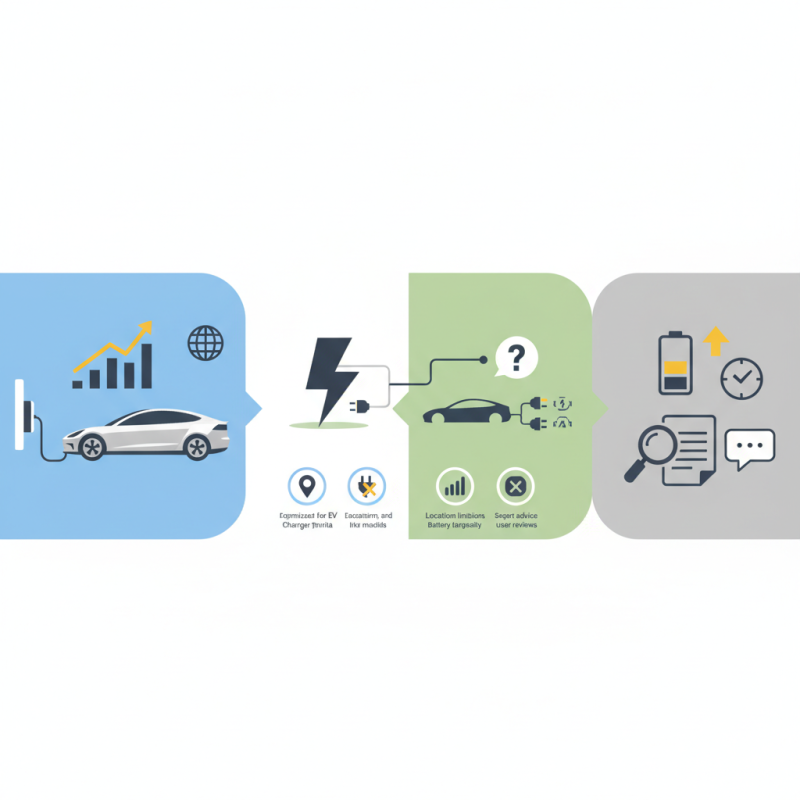
While Tesla chargers excel in functionality, global buyers should consider various factors before making a purchase. Not all EV chargers are created equal; some may not adapt well to different power systems or vehicle models. Additionally, users might encounter limitations based on their location or the availability of compatible charging stations.
Investing in the right EV charger is crucial. A suitable charger not only optimizes charging time but also enhances the longevity of the vehicle’s battery. Remember to weigh all options carefully. Seeking advice from experts and reading user reviews can help identify the most reliable products. The journey to finding the perfect EV charger can be challenging, but it ultimately leads to a more efficient driving experience.
Understanding Tesla Charger Compatibility for Global Markets
When considering an electric vehicle charger for Tesla vehicles, compatibility is key for global buyers. Different regions have various charging standards. This can impact charging speed and efficiency. Some regions use Type 2 connectors, while others may favor J1772 or CCS options. Knowing your local standards is essential to avoid inconvenience.
Another complex aspect is the voltage and frequency differences around the world. For instance, North America typically runs on 120V or 240V, while Europe often relies on 230V systems. This can lead to compatibility issues if the charger is not suited for the specified voltage. Not all chargers can automatically adjust to different voltages. Researching the specific charger’s voltage ratings and features can help ensure a smooth charging experience.
Buyers also need to consider the installation complexity. Charging stations may require professional installation services, depending on local building codes and electric infrastructure. This adds another layer of planning for global buyers. Many people overlook this detail and may end up with a charger that isn't easily operable at their location. Taking time to understand local regulations and seeking advice from experts can prevent potential pitfalls.
Top Options for EV Charger Compatibility Across Global Markets
Key Features of Tesla EV Chargers for Optimal Performance
When considering EV chargers for optimal performance, several key features stand out. Rapid charging capability is vital for time-conscious users. A well-designed charger minimizes downtime and enhances the overall EV experience. It’s crucial to look for units that offer adjustable power levels. This flexibility accommodates different vehicle models and charging needs.
User-friendly interfaces can make a significant difference. Intuitive designs enable easier operations, especially for first-time users. Indicators showing charging status and estimated wait times can reduce anxiety. Smart features, like mobile app integration, allow for better monitoring and scheduling. Yet, not all users appreciate technology; simplicity can sometimes be more effective.
Reliability is another essential consideration. A durable charger withstands various weather conditions and frequent use. Some models may struggle with long-term performance. Investing in a trusted product can prevent future headaches. It's also wise to note that different regions may have varying power supply standards. Thus, compatibility is crucial for consistent charging. Consider your unique circumstances and seek a balanced decision.
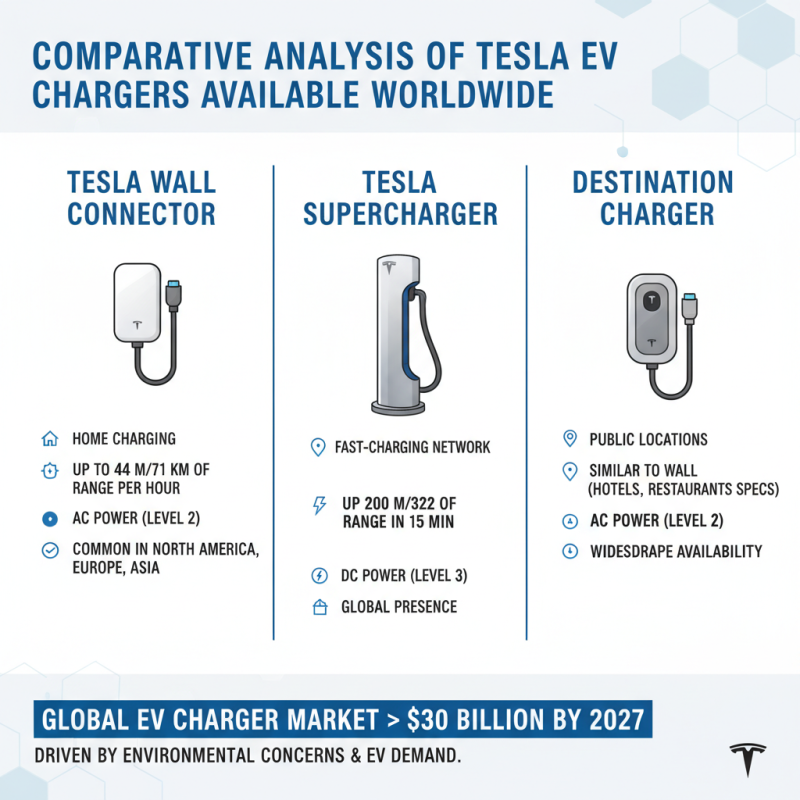
Comparative Analysis of Tesla EV Chargers Available Worldwide
When considering electric vehicle charging options globally, various designs stand out. Each option serves unique market needs. Users seek efficiency, speed, and accessibility. Reports indicate that the global EV charger market is set to surpass $30 billion by 2027, driven by growing environmental concerns and demand for EVs.
Analyzing the available options reveals distinct features. For example, some chargers offer rapid charging capabilities, delivering over 150 kW. In comparison, Level 2 chargers provide slower, yet more stable options at around 7.2 kW. Data from industry surveys show that 43% of users prefer home-installed chargers for convenience. However, accessibility in urban areas remains a challenge.
Regional differences are notable. Europe leads in charger density, with over 440,000 public charging points. In contrast, North America has around 113,000 charging stations, highlighting gaps in infrastructure. A significant observation is that 20% of EV owners report issues finding charging locations, reflecting the need for better network coordination and data accessibility.
Installation Options and Considerations for Tesla EV Chargers
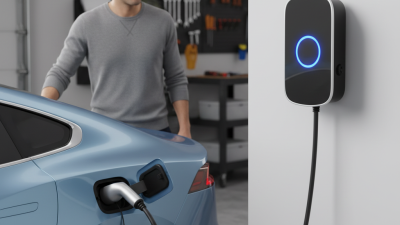
When considering the installation of EV chargers for Tesla vehicles, several factors come into play. The location of the charger is crucial. Many users prefer a home installation as it provides convenience.
In the United States, a recent industry survey found that about 80% of EV owners charge at home regularly. However, space availability can be an issue. Not all homes have garages or adequate outdoor space for a charger.
Installation costs can vary significantly. Some reports suggest that professional installation might range from $500 to $2,000, depending on the electrical work needed. Buyers should evaluate their current electrical capacity before proceeding. An outdated wiring system could increase installation expenses. Moreover, charging speed should also be considered. Level 2 chargers can provide a faster charge than traditional outlets. Yet, these may require additional upgrades to the home’s electrical system.
Accessibility is another concern. For those living in apartment complexes or shared spaces, options might be limited. Installing a charger could involve negotiations with property management. In some cases, permits might be required.
It’s important to check local regulations, as requirements can vary widely. As the demand for EV charging grows, solutions for urban settings will be vital.
The installation landscape is evolving, but many frustrations remain. Adequate planning and knowledge can mitigate some of these challenges.
Future Trends in Tesla EV Charging Solutions and Technology
As the electric vehicle market continues to grow, charging technology is evolving rapidly. The future of EV charging solutions focuses on convenience, speed, and sustainability. Innovations like ultra-fast chargers and smart charging stations are becoming standard. Enhanced connectivity features allow for real-time monitoring of charging sessions. These developments cater to both individual consumers and fleet operators, ensuring a seamless experience.
Tips: Always look for charging stations with multiple charging points. This helps avoid long wait times, especially during peak hours. Additionally, consider the location of charging options when planning trips. Proximity to amenities can turn a charging stop into a quick break.
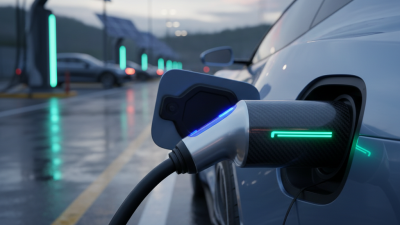
Trends indicate a shift towards renewable energy sources for charging stations. This aligns with global sustainability goals. Implementing solar panels at charging sites is one example. However, it’s essential to reflect on the infrastructure challenges in certain regions. Not all areas have the capacity for rapid expansion of charging networks. Thus, local policies and investment play a crucial role in accessibility.