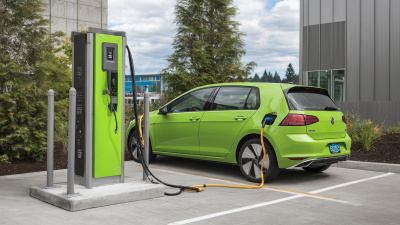
Best Portable Charging Station For Electric Cars in 2026?
As the electric vehicle (EV) market expands, the demand for efficient charging solutions grows. By 2026, a Portable Charging Station For Electric Cars is expected to become essential for EV owners. Industry reports anticipate that global EV sales will surpass 30 million units by this time. This rise reflects consumers’ increasing comfort with electric mobility and the need for accessible charging options.
Current charging infrastructure is often limited. Many urban locations lack sufficient charging stations. This gap creates challenges for EV owners who need reliable solutions. A portable charging station addresses these concerns effectively. It offers flexibility and convenience, enabling users to charge their vehicles anywhere. Research suggests that 30% of EV owners express concerns about charging accessibility. Portable charging solutions can mitigate these worries, enhancing user experience and confidence.
However, not all portable chargers are created equal. Efficiency and compatibility vary significantly among models. Some users report dissatisfaction with charging speeds and battery life. As we approach 2026, understanding these differences becomes crucial for informed choices. A comprehensive look at the best portable options will empower EV drivers to select the right station for their needs.
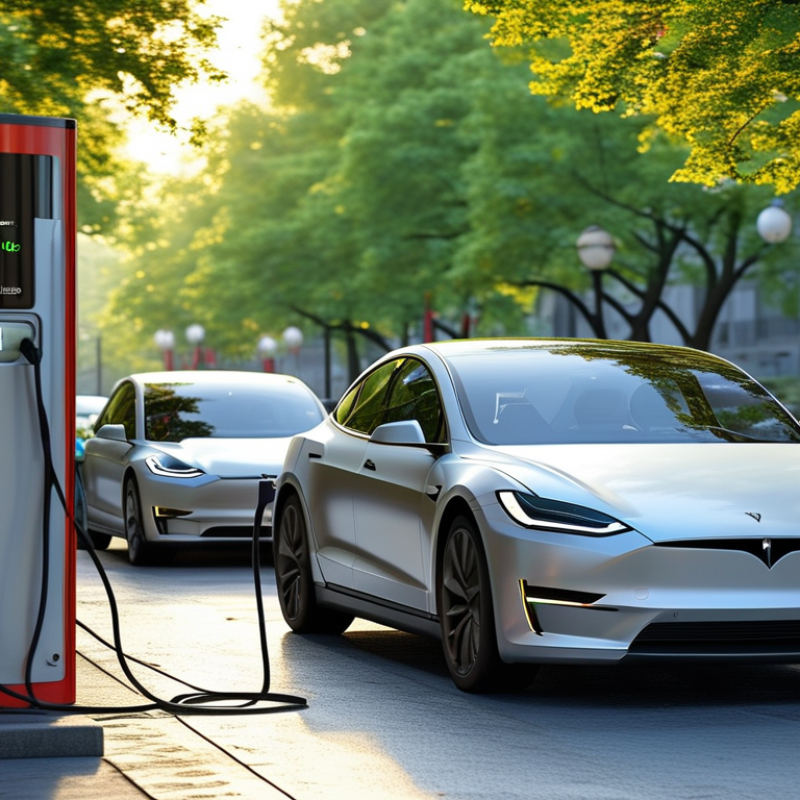
Best Portable Charging Station Features for Electric Cars in 2026
When looking for the best portable charging station for electric cars in 2026, certain features stand out. Fast charging capability is crucial. Look for chargers that provide high power output. A station that supports both Level 2 and DC fast charging is ideal. This flexibility ensures compatibility with various electric vehicles.
Durability matters, especially for on-the-go use. A robust design protects against weather and wear. Water-resistant materials can enhance longevity. While many models claim to be portable, weight and size are significant factors. An overly heavy station can be cumbersome. A sleek, lightweight design encourages ease of transport.
Another essential feature is a user-friendly interface. Clear indicators can help users understand charging status quickly. It’s also helpful to consider integrated safety features. Overcurrent protection and temperature regulation can prevent potential hazards. Reflecting on these aspects can lead to better choices. In a rapidly evolving market, staying informed is key. Regularly checking user reviews can provide insights into real-life performance.
Market Trends: Projected Growth of Portable EV Charging Stations by 2026
The portable electric vehicle (EV) charging station market is projected to grow significantly by 2026. According to a recent report by MarketsandMarkets, the market is expected to reach $23 billion by 2026, growing at a CAGR of 25.4%. This reflects the increasing electric vehicle adoption rates and a growing demand for charging solutions that are efficient and convenient.
With rising fuel costs and environmental concerns, more consumers are shifting to electric vehicles. This shift has propelled the demand for portable charging stations. The convenience of charging at home or on-the-go is appealing. The Global EV Outlook 2023 mentions that the number of EVs is expected to reach 200 million units worldwide by 2026, further driving the need for portable charging solutions.
Being aware of your charging needs is crucial. Different vehicles have different charging capacities. For those considering a portable station, ensure it matches your EV's specifications. Portable chargers must be durable. They should be capable of withstanding various weather conditions. Additionally, check for compatibility with different EV types. Understanding these factors can lead to more informed purchasing decisions.
Key Performance Metrics: Charging Speed and Efficiency Standards in 2026
As electric vehicles gain traction, the performance of charging stations becomes pivotal. In 2026, charging speed will be a focal point. Recent data suggests that the average charging speed is expected to reach 350 kW in many urban areas. This marks a significant improvement from previous years. The industry standard indicates that vehicles can achieve an 80% charge within 20 minutes. This rapid charging capability addresses one of the main concerns of EV users: charging time.
Efficiency standards also play a crucial role. By 2026, the target is to have charging stations operate at over 95% efficiency. A report from the International Energy Agency highlights that better energy management can reduce costs by 15%. This means more usable energy during the charging process. However, the focus on high efficiency must be balanced with infrastructure investments. Not all regions will have the necessary upgrades to support these advancements, leading to disparities in access and performance.
Moreover, challenges remain in standardizing technology across different types of electric vehicles. Reports indicate that compatibility issues may hinder seamless charging experiences. These inconsistencies create a need for ongoing evaluation of international charging protocols. Electric vehicle manufacturers, policymakers, and charging station developers must work together. Their collaboration is essential to ensure charging stations meet evolving consumer expectations and energy demands.
Cost Analysis: Pricing Models and ROI for Portable EV Chargers by 2026
As the electric vehicle (EV) market expands, portable charging stations will gain importance. Understanding cost models is essential for consumers and businesses. Different charging technologies will vary significantly in price, installation, and maintenance. By 2026, the ROI on portable chargers may present both opportunities and challenges.
Analyzing the pricing models reveals several key areas. Initial acquisition costs range widely based on output capacity and features. Some portable chargers may seem cheaper upfront but carry higher operational costs. Others might boast advanced safety features, making them more appealing. Consumers must assess total cost of ownership, including electricity rates and charging speed.
While many products will promise efficiency, not all deliver as expected. Some less efficient models can lead to customer frustration, highlighting the need for careful selection. Long-term reliability remains a concern even for reputed options. Evaluating consumer reviews and expert opinions can guide buyers toward informed decisions. Investing in portable chargers could lead to either savings or unexpected expenses, making rigorous research crucial.
Consumer Preferences: Top Brands and User Reviews for 2026 Portable Chargers
The demand for portable charging stations for electric vehicles has surged in recent years. A 2023 industry report indicated that 67% of consumers prioritize charging speed. This preference will likely shape the portable charger market in 2026. User reviews consistently highlight the importance of reliable and fast charging capabilities. Battery life, ease of use, and compatibility with various EV models also affect consumer choices.
According to a recent survey, 78% of users reported that brand reliability greatly influenced their purchasing decisions. Many noted that positive reviews and professional recommendations played a significant role. Interestingly, 45% of participants expressed concerns about the durability of portable chargers. This concern often stems from high usage rates and the varying weather conditions the chargers face.
User feedback illustrates that aesthetics matter too. Many prefer sleek designs that fit well in their vehicles. Yet, some noted that stylish chargers can sometimes sacrifice functionality. This raises important questions about balancing form and function in product design. Overall, as trends evolve, manufacturers must continuously innovate.