Top EVSE Charger Options for China Best Buyers in 2026?
The growth of electric vehicles (EVs) in China is undeniable. As more consumers choose green alternatives, the demand for EVSE chargers is surging. This trend calls for the best EVSE charger options available in 2026.
In a rapidly evolving market, it is essential to evaluate various charging solutions. The right EVSE charger can significantly enhance the convenience of EV ownership. However, with multiple brands and technologies, choosing the best can be challenging.
Potential buyers should consider factors like charging speed, compatibility, and installation. Some chargers may not suit every EV model. Furthermore, varying power outputs impact charging times. Thus, consumers must research thoroughly before purchasing. An informed decision will ensure a seamless charging experience, contributing to sustainable driving habits.
Top Trends in Electric Vehicle Supply Equipment (EVSE) for 2026
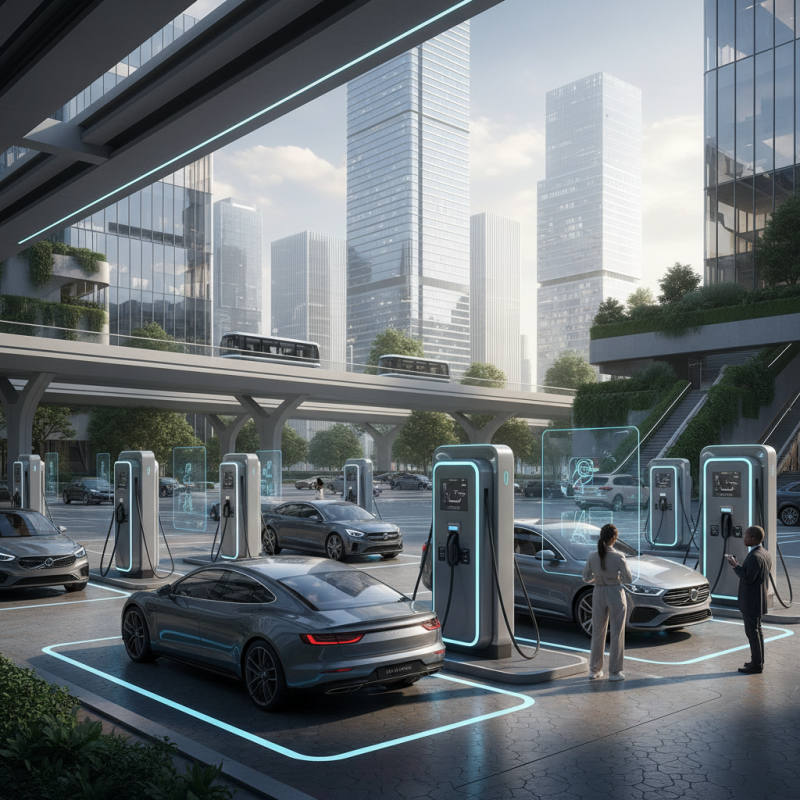
The electric vehicle supply equipment (EVSE) landscape is rapidly evolving. By 2026, potential buyers in China will witness significant advancements. Charging stations will be faster and more efficient. This matters, as drivers seek convenience. Users want chargers that reduce downtime during long trips. Smart charging features will emerge, allowing users to optimize charging based on their needs.
Sustainability will take center stage in EVSE trends. We may see more eco-friendly materials utilized in production. Energy sources for charging will also diversify. Integrating renewable energy could lower carbon footprints. Buyers might prefer solutions that align with their green values. However, the cost of innovative stations can still be high. It's a challenge for buyers to balance quality with price.
User experience will also improve. Interactivity in charger interfaces will become standard. Real-time information about charging status will enhance convenience. Yet, as technology advances, infrastructure must keep pace. Regions with inadequate development may struggle. It’s crucial for consumers to consider local availability. Access to charging stations remains a key factor in the adoption of electric vehicles.
Top EVSE Charger Options for China Best Buyers in 2026
| Charger Type |
Charging Speed (kW) |
Connector Type |
Smart Features |
Estimated Price (CNY) |
| AC Level 2 Charger |
7.2 |
Type 2 |
Mobile App Control, Scheduling |
3,500 |
| DC Fast Charger |
120 |
CCS, CHAdeMO |
Remote Monitoring, Payment Integration |
60,000 |
| Wireless Charger |
10 |
N/A |
Automatic Connection, User Authentication |
25,000 |
| Home Charger |
3.6 |
Type 2 |
Smart Scheduling, Energy Monitoring |
2,500 |
| Portable Charger |
1.8 |
Type 2 |
App Connectivity, Overcurrent Protection |
1,000 |
Key Features to Consider When Choosing EVSE Chargers in China
When selecting EVSE chargers in China for 2026, buyers should consider several crucial features. Charging speed is one of the most critical parameters. It directly impacts how quickly an EV can recharge, making it essential for busy urban environments. Levels of charging can vary, so understanding the difference between Level 2 and DC fast charging is important. Buyers should look for chargers that offer flexibility in voltage and current settings.
Compatibility is another key aspect. As the EV market in China grows, diverse vehicle models emerge. A charger that supports multiple connectors will provide greater usage opportunities. Additionally, connectivity features like app integration for real-time monitoring can enhance the user experience significantly. However, not all connected systems guarantee security, which requires careful evaluation.
Finally, durability is paramount. Charging stations often operate in various environments, from urban streets to rural areas. Weather-resistant materials and robust designs are necessary for long-lasting performance. Some chargers may fall short in this regard, leading to potential outages. It's vital to examine the reliability and warranty offered before making a decision. These factors are critical as they can impact both cost and customer satisfaction in the long run.
Top EVSE Charger Options for China Best Buyers in 2026
Leading EVSE Brands to Watch for Buyers in 2026
As the electric vehicle market continues to grow, the demand for reliable
EVSE (Electric Vehicle Supply Equipment) chargers is on the rise.
Buyers in China should pay attention to brands that prioritize innovation and user experience.
Many of these brands focus on enhancing charging speed, improving accessibility,
and ensuring compatibility with various EV models.
In 2026, expect to see advancements in smart charging technology.
This includes features like remote monitoring and diagnostic options that provide
real-time information to users. Additionally, brands are likely to emphasize
sustainability in their products. Eco-friendly materials and
energy-efficient practices will become key selling points.
However, the landscape is not without its challenges. Some manufacturers may prioritize profit over quality,
leading to performance issues. Buyers should remain vigilant, researching customer reviews and independent evaluations.
Transparency in warranty terms and customer support services can significantly influence
value.
Pricing Strategies and Budget Considerations for EVSE Chargers
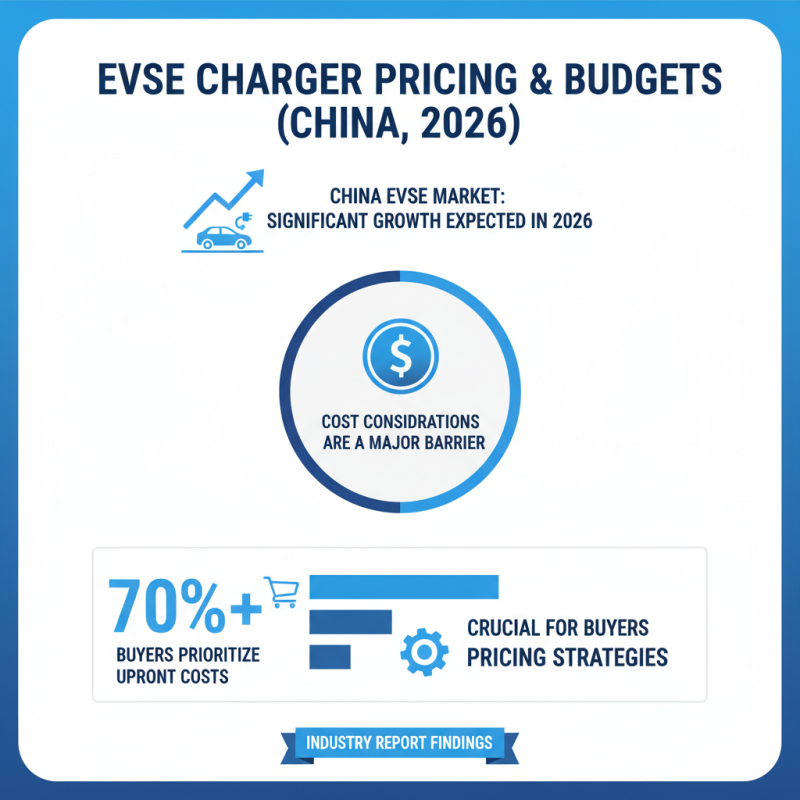
In 2026, the electric vehicle supply equipment (EVSE) market in China is expected to grow significantly. Pricing strategies for EVSE chargers will be crucial for buyers. Research suggests that cost considerations stand as a major barrier. A recent industry report highlights that over 70% of buyers prioritize upfront costs when choosing charging solutions.
The range of EVSE chargers varies widely in price. Basic models can be as low as $300, while advanced options may reach up to $3,000. Buyers must consider not only the initial investment but also long-term savings. For instance, some chargers may offer faster charging times or smarter technology, offsetting higher upfront costs through energy savings over time.
Budget-conscious consumers face decisions that require careful evaluation. The total cost of ownership includes installation, maintenance, and energy consumption. According to some estimates, these operational costs could add another 20% to the purchase price. Thus, savvy buyers need a comprehensive understanding of their needs to avoid wasting resources. Accessibility to charging infrastructure is also a growing concern, which can influence overall cost-effectiveness.
Regulatory and Infrastructure Developments Impacting EVSE Market in China
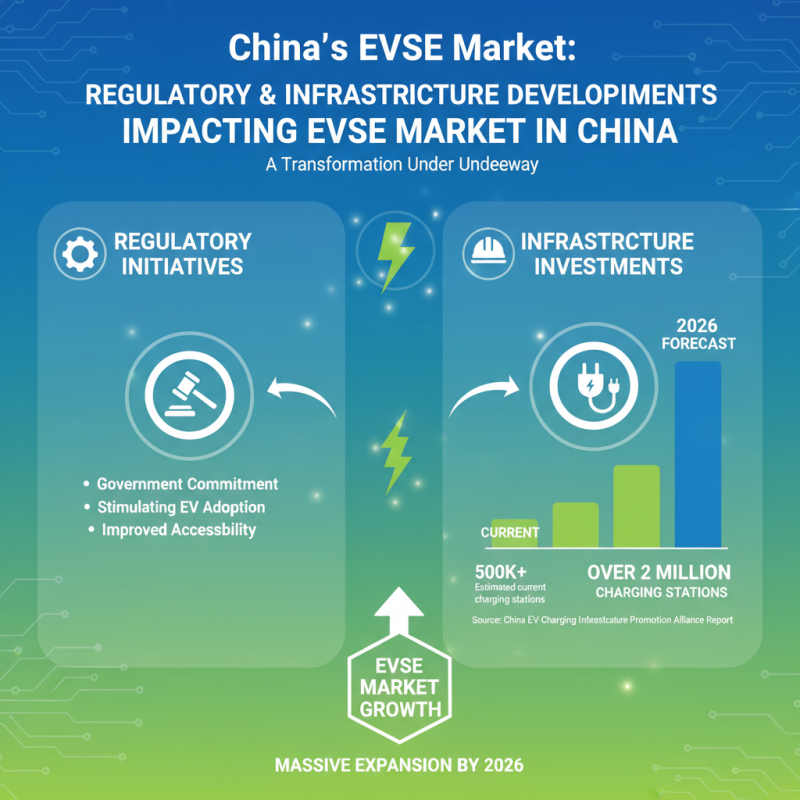
The EVSE market in China is on the verge of transformation, largely driven by regulatory initiatives and infrastructure investments. According to a report from the China Electric Vehicle Charging Infrastructure Promotion Alliance, the number of charging stations in China is expected to reach over 2 million by 2026. This is a significant increase from the current figures, reflecting the government's commitment to stimulate electric vehicle (EV) adoption through improved accessibility.
Government policies are crucial in shaping the charging landscape. Incentives such as subsidies for installing charging stations play a key role. Furthermore, the introduction of stricter emissions regulations for conventional vehicles is pushing consumers toward electric alternatives. However, there is a notable gap in rural charging infrastructure. Current developments mainly focus on urban areas, leaving rural consumers with limited options. Addressing this discrepancy may require innovative solutions and grassroots efforts to ensure a cohesive EV ecosystem.
Moreover, public-private partnerships can enhance infrastructure growth. Collaborations among local governments and private investors can streamline projects and share resources. Despite the promising outlook, challenges in standardization and interoperability remain. These issues could hinder user experience and lead to confusion among consumers. Continuous dialogue between stakeholders is necessary to resolve these complications and to ensure user-friendly solutions in this evolving landscape.