How to Choose the Best DC Charger EV Adapter for Your Needs?
Choosing the right DC Charger EV Adapter is crucial for electric vehicle owners. With numerous options on the market, it can be overwhelming. Industry expert Dr. Emily Thompson states, "A well-chosen adapter can enhance your EV experience significantly." This advice reflects the importance of making informed decisions.
When selecting a DC Charger EV Adapter, consider your specific charging needs. Factors such as vehicle compatibility, charging speed, and portability are essential. Each feature can impact your overall driving experience. It’s also important to research brands and read customer reviews. Sometimes, the cheapest option may not be the best choice.
Additionally, don't hesitate to seek help from professionals. Speak with EV experts or consult reliable online resources. Remember, the right adapter should not only fit your vehicle but also offer a dependable performance. A wrong choice could lead to frustration. Stay informed and take your time to reflect on your options.
Understanding Different Types of DC Charger EV Adapters Available
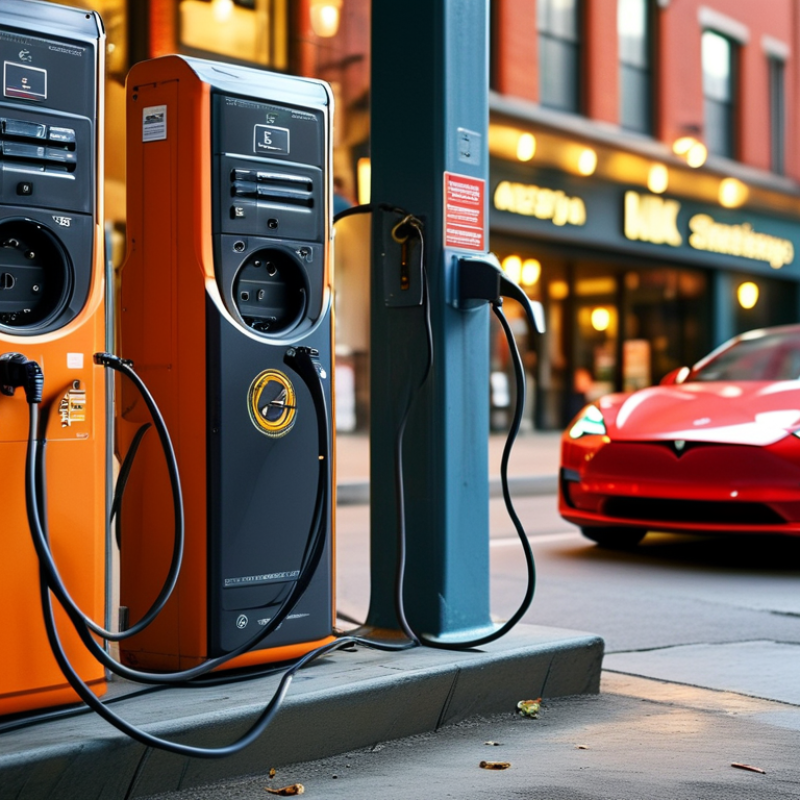
When selecting a DC charger EV adapter, understanding the various types is crucial. There are primarily three types: Level 1, Level 2, and DC fast chargers. Level 1 chargers are basic and often found at home. They plug into a standard outlet and are convenient for overnight charging. However, they might not meet all drivers' needs.
Level 2 chargers offer faster charging and are ideal for public charging stations. They require a dedicated circuit but can charge your vehicle significantly quicker than Level 1. For those frequently on the go, DC fast chargers are the best option. They provide rapid charging, enabling drivers to recharge their vehicles in under an hour. While they are powerful, they might not be available in every location.
While evaluating these options, consider your driving habits. Are you often on long trips? A DC fast charger could be beneficial. If your daily commute is short, a Level 1 or Level 2 charger may suffice. Remember, not all adapters are compatible with every vehicle. Researching compatibility ensures you choose a reliable option. Balancing speed with convenience can lead to better charging experiences.
Comparison of DC Charger EV Adapter Types
This chart compares different types of DC charger EV adapters based on their charging speeds in kilowatts. The data shows that CCS and CHAdeMO adapters have higher charging speeds compared to Type 1 and Type 2 adapters, making them more suitable for fast charging needs.
Assessing Your Electric Vehicle's Charging Specifications
When selecting the best DC charger EV adapter, it's critical to assess your electric vehicle's charging specifications. Every EV model comes with unique power requirements. For instance, a vehicle designed for a 400V system may not perform well with an adapter meant for lower voltage applications. A study by the International Energy Agency highlighted that mismatched charging equipment could lead to inefficient charging cycles.
Understanding your EV's battery capacity is another key factor. Most electric vehicles range from 20 kWh to 100 kWh. If you charge a larger battery with a lower-powered adapter, charging time can extend significantly. One report argued that using an incompatible adapter results in 15-20% longer charge times, which can be frustrating for users with busy schedules.
Lastly, consider the charging speed. The charging rate is typically measured in kilowatts (KW). Ensure your charger can support your vehicle's maximum input power. If not, you might experience delays. It’s worth noting that some users rush into decisions, neglecting to check compatibility. This can lead to regret as they face longer charging times than expected. Evaluating these specifications will help in making a well-informed choice.
Evaluating Your Charging Location and Accessibility Requirements
Choosing the best DC charger EV adapter begins with evaluating your charging location and accessibility requirements. Accessibility can significantly influence your EV charging experience. According to the U.S. Department of Energy, over 80% of EV charging occurs at home. If your home lacks a dedicated garage, it's essential to consider where you can install a charging station. A well-lit, accessible area near your parking space is ideal. This choice not only affects convenience but also safety.
Moreover, public charging infrastructure is pivotal, especially for those who travel frequently. A report from the International Council on Clean Transportation reveals that only 18% of public charging stations are fast chargers. This means you must research the distribution and types of chargers in your region. Knowing your typical driving range and the charger types available nearby can help minimize downtime. Be aware that not all adapters will work seamlessly with every public station. Compatibility must be checked to avoid inconvenient surprises.
Lastly, reflect on your specific needs. Will you need to charge multiple vehicles? Understanding your usage patterns and vehicle characteristics is vital. Inadequate planning can lead to longer charging times or even being unable to charge when it’s most needed. Always assess current and future EV technologies to ensure your adapter remains relevant. These considerations will ensure you select an EV charger that genuinely fits your lifestyle and enhances your electric vehicle experience.
How to Choose the Best DC Charger EV Adapter for Your Needs?
| Charging Location |
Charging Speed (kW) |
Accessibility (e.g., Home, Public) |
Cost (USD) |
Weight (lbs) |
| Home Garage |
7.2 |
Private |
500 |
10 |
| Public Charging Station |
50 |
Public |
300 |
30 |
| Workplace |
22 |
Semi-Public |
400 |
15 |
| Residential Complex |
11 |
Private |
450 |
12 |
| Malls and Shopping Centers |
25 |
Public |
600 |
20 |
Comparing Prices and Features of Various DC Charger Models
When selecting a DC charger EV adapter, comparing prices and features is essential. Different models offer unique functionalities that cater to varied needs. Start by evaluating charging speed. Faster adapters can significantly reduce downtime, which is critical for frequent users. However, the lowest price may not always guarantee the best performance. Look for user reviews to gauge reliability.
Battery compatibility is another crucial aspect. Ensure the adapter suits your specific vehicle model. Some models work with multiple brands, providing flexibility. Others may excel in specific performance areas but are restricted in compatibility. It's wise to balance cost with the features that matter most to you.
Portability and build quality shouldn't be overlooked. A lightweight, durable adapter is easier to use and store. Consider where you'll charge your vehicle. If you travel often, a compact design with a carrying case is beneficial. Ultimately, it's about finding the right blend of price and functionality that meets your unique requirements.
Looking into Future-Proofing: Compatibility with Emerging Technologies
As electric vehicles (EVs) gain popularity, choosing the right DC charger EV adapter involves more than just current requirements. Future-proofing your purchase is essential. An adapter that supports emerging technologies will stay relevant longer. Consider compatibility with fast-charging standards. These can evolve, so flexibility is key.
New charging technologies like ultra-fast charging are on the horizon. Select an adapter that can handle higher voltage and current ranges. This ensures your charger can adapt to next-generation EVs. However, technology changes rapidly. What's popular today may not be tomorrow. Keeping an eye on industry trends is critical.
Other factors play a role in your decision. Look for features like smart connectivity. These can enhance your charging experience with real-time updates. Complexity in user interfaces sometimes complicates usage. A balance between advanced features and ease of use can be challenging to find. Reflect on what you truly need versus what seems appealing.