How to Choose the Best Fast EV Charger for Your Car?
Choosing the right fast EV charger can be a daunting task. Michael Thompson, an industry expert in electric vehicle charging solutions, stated, "The right Car Fast EV Charger not only enhances your driving experience but also ensures efficiency and reliability." As electric vehicles grow in popularity, understanding the features of fast chargers becomes essential.
Many factors come into play when selecting a Car Fast EV Charger. Charging speed, compatibility with your vehicle, and installation requirements should be top of mind. It’s not just about speed; the charger must suit your lifestyle and driving habits. Selecting the wrong charger can lead to frustration or inefficiency.
Moreover, exploring different brands and models may reveal unexpected options. Keep in mind that new technologies are emerging frequently. The ideal choice depends on individual needs and future plans. Sometimes, even the best recommendations may not fit all scenarios. Reflecting on these points can lead to a more informed decision.
Understanding Your EV's Charging Needs
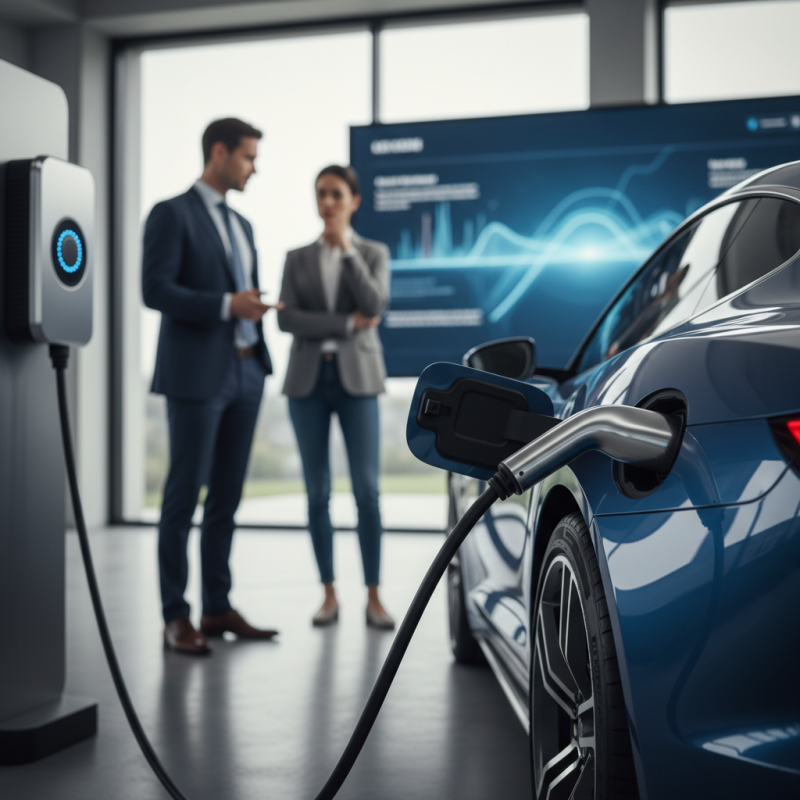
When choosing a fast EV charger, it's vital to understand your electric vehicle's specific charging needs. Fast chargers generally fall into two categories: Level 2 and DC fast chargers. According to a study by the International Energy Agency (IEA), DC fast chargers can replenish up to 80% of an EV's battery in about 30 minutes. Level 2 chargers, while slower, are often more suitable for home installations and can provide a full charge overnight.
Consider your driving habits. If you depend on your car for daily commutes, a high-capacity charger that supports rapid charging is beneficial. Conversely, if your driving is less intense, a Level 2 charger may suffice. It's also essential to be mindful of your EV's onboard charger capacity. Misunderstanding this can lead to choosing a charger that doesn't meet your needs, which compromises efficiency.
Tips: Evaluate the available charging infrastructure in your area. This can impact your daily charging routine. Also, think about future needs as you might upgrade your vehicle later. Lastly, always consult manufacturer guides for optimal charger compatibility. Making an informed choice will enhance your EV experience and optimize charging times.
Types of Fast EV Chargers Available
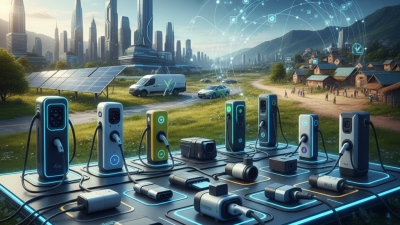
When choosing a fast EV charger, understanding the types available is crucial. There are primarily three types: Level 2 chargers, DC fast chargers, and Tesla Superchargers. Level 2 chargers are popular for home use. They are efficient and reasonably priced. DC fast chargers, on the other hand, provide rapid charging for long-distance trips. Tesla Superchargers cater exclusively to Tesla vehicles, offering high speeds ideal for quick stops on the road.
When selecting a charger, consider installation requirements. Level 2 chargers may need a dedicated circuit. This might involve additional costs. DC chargers often require significant infrastructure. Evaluate your electrical capacity at home. It’s vital to ensure compatibility with your vehicle. Not all chargers work with every model, so check specifications closely.
Here are some tips during your choice process: identify your typical driving range and daily needs. Research local charging options. Sometimes, public charger availability might influence your home setup. Think about future needs, too. Your charging habits may change as you gain more experience with your EV. Balancing cost versus charging speed might lead to some regrets later on if not carefully considered.
Charging Speed Comparison of Different Fast EV Charger Types
Key Features to Look for in a Fast Charger
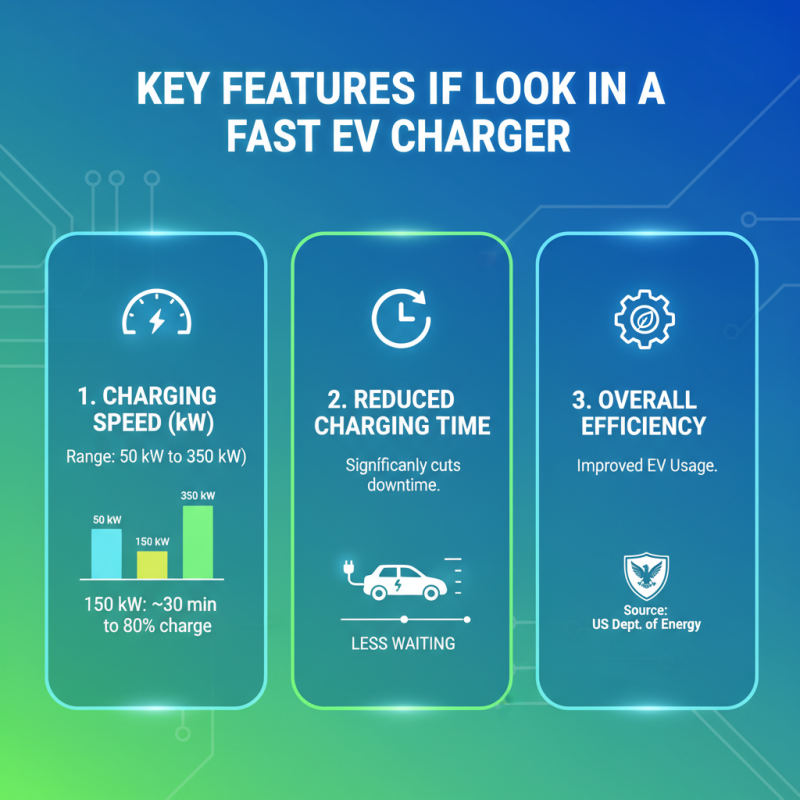
When selecting a fast EV charger, considering key features is crucial. Charging speed ranks high among these. Most fast chargers deliver between 50 kW to 350 kW. This can reduce charging time significantly. For instance, a 150 kW charger can typically recharge a standard EV to 80% in about 30 minutes. According to the U.S. Department of Energy, faster chargers can improve the overall efficiency of electric vehicle usage.
Connectivity options also influence your choice. Look for chargers with both Wi-Fi and mobile app capabilities. This allows for real-time monitoring and remote control. Recent studies indicate that users prefer chargers that provide data on charging history and energy consumption. User-friendliness also matters. An intuitive interface can enhance the experience, particularly for those new to EVs. The design should also accommodate various EV models, ensuring versatility.
Safety features are often overlooked but essential. Integrated safety protocols can prevent overheating and short-circuiting. According to the National Electrical Manufacturers Association, chargers should adhere to rigorous safety standards. Additionally, consider the warranty offered by the manufacturer. A longer warranty period reflects confidence in the product’s reliability. Remember, not every fast charger will meet your needs perfectly. Assessing these features critically can lead to a more informed choice.
Assessing Installation Requirements and Locations
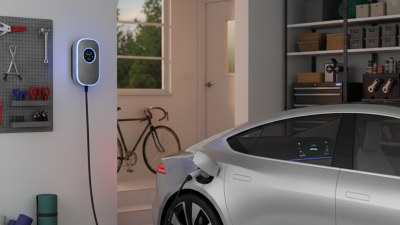
Choosing the right location for your electric vehicle (EV) charger is crucial. You need to consider your daily routine and parking availability. A convenient location saves time and encourages regular charging. Check if your garage has easy access to power sources. If you park your car outside, proximity to an electrical outlet matters.
Installation requirements can vary. Some homes may need electrical upgrades to support high-capacity chargers. Consult an electrician to evaluate your home’s wiring. This step ensures safety and efficiency. Occasionally, you might face unforeseen challenges, like local regulations or space constraints. Understanding these can help avoid frustrations during installation.
Take time to research local incentives or help programs. They can greatly reduce installation costs. Local building codes may dictate specific installation practices. Familiarizing yourself with these can save you headaches later. Involving a professional helps navigate these complexities. This proactive approach makes the process smoother and more reliable.
Cost Considerations and Budgeting for Your Charger
When selecting a fast EV charger, cost considerations play a crucial role. The price of chargers can vary significantly. Basic models might start around a few hundred dollars, while advanced features can cost over a thousand. Think about your budget and how often you will use the charger. For occasional use, a lower-cost option may suffice. Daily users might favor a more robust model to handle frequent charging needs.
Installation costs are another important factor. Hiring an electrician for proper installation can add to your expenses. Research local installation fees as they vary by region. You may also need to consider whether your home’s electrical system can support the charger you choose. Upgrading your electrical panel can lead to additional costs.
It's essential to think long-term when budgeting. Cheaper chargers sometimes compromise quality, leading to potential repairs or replacements. So, weigh the initial investment against future expenses. Reflecting on the overall value rather than just the price is vital. This approach will help you make a more informed choice for your EV charging needs.