How to Choose the Best Wallbox Charger for Your Needs?
Choosing the right Wallbox Charger can be a daunting task for many. With the growing popularity of electric vehicles, the demand for reliable charging solutions has surged. A recent report by the International Energy Agency (IEA) indicates that global electric vehicle sales reached 10 million units in 2022, further emphasizing the need for efficient home charging options.
Expert in EV charging technology, Dr. Sarah Thompson, states, "Selecting the perfect Wallbox Charger involves understanding your vehicle's needs and your power supply capabilities." This insight highlights the importance of aligning your charger with your specific requirements. It’s vital to consider factors such as charging speed, connectivity features, and compatibility with various EV models.
In a market brimming with options, not all Wallbox Chargers are created equal. Some may offer advanced features while lacking basic reliability. It's essential to evaluate user reviews, industry certifications, and warranty options. Every choice comes with its pros and cons, making personal research an invaluable part of the decision-making process.
Understanding Different Types of Wallbox Chargers Available on the Market
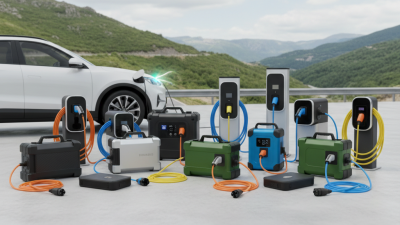
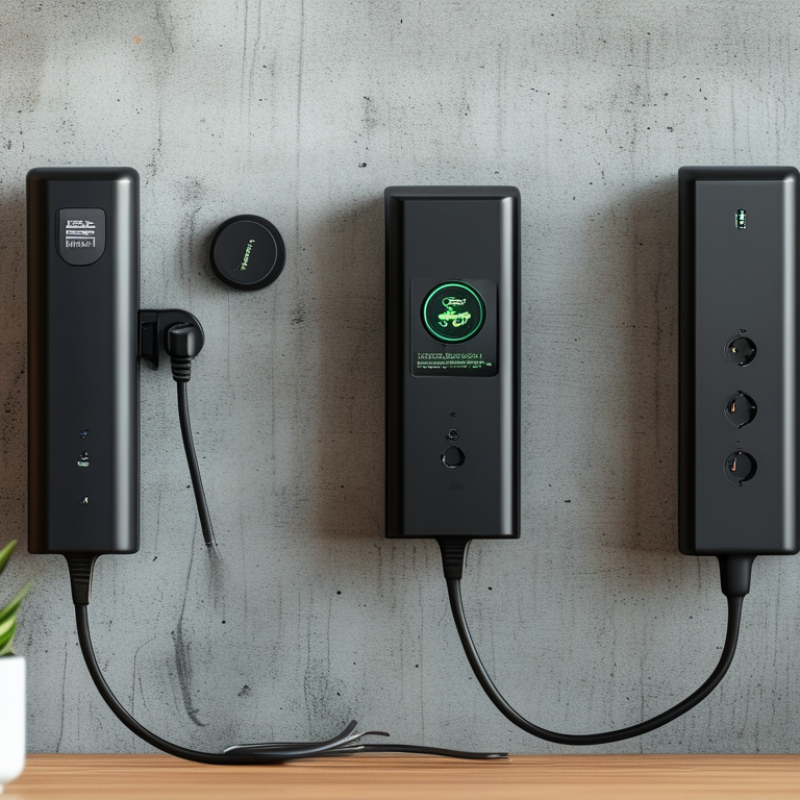
When selecting a wallbox charger, it’s essential to understand the various types available. A recent report from the International Energy Agency (IEA) highlights that demand for electric vehicle (EV) charging solutions is increasing rapidly. This surge brings a diverse range of wallbox options, each designed for specific needs.
Level 1 chargers are basic and easy to install. They plug into standard outlets but charge slowly. These chargers suffice for overnight charging but may not meet the needs of heavy daily users. In contrast, Level 2 chargers offer faster charging times. They are ideal for home and commercial use, allowing EVs to charge in hours rather than overnight. According to a study by BloombergNEF, over 75% of current EV owners prefer Level 2 chargers for their efficiency.
Additionally, smart wallbox chargers have emerged in recent years. These chargers provide remote access and energy management features through mobile apps. A report by Navigant Research states that smart chargers could reduce energy costs by up to 30% for users. However, potential complexities of installation and integration with home systems warrant careful consideration. Users should assess their specific needs against these varying wallbox types to make informed decisions.
Evaluating Charging Speed: How to Determine Your Required Power Level
When evaluating the charging speed for a wallbox charger, understanding your specific power needs is crucial. Electric vehicle (EV) charging stations are categorized by their power output, typically measured in kilowatts (kW). According to the International Energy Agency, fast chargers range from 22 kW to 150 kW, while most home chargers operate between 3.7 kW and 11 kW. This distinction is essential when determining how quickly you want to charge your vehicle.
If you only need to top off your vehicle overnight, a 7 kW charger might be sufficient. It takes about 8 hours to fully charge a typical EV with a 50 kWh battery. However, if you’re frequently on the go, a faster charger could significantly reduce downtime. It’s noteworthy that a 22 kW charger can fully charge that same vehicle in around 2.5 hours.
Additionally, consider your electrical system's capacity. Many homes can only support 16-32 amps, limiting their charging speed. Installing a wallbox that exceeds this capacity can lead to inefficient charging or even electrical issues. Research shows that about 30% of homeowners underestimate their home’s electrical capability, which can lead to suboptimal charging experiences. Understanding your power supply and estimating your charging needs will ensure you make a well-informed decision.
Key Features to Consider When Selecting a Wallbox Charger
When selecting a wallbox charger, several key features stand out. One important factor is charging speed. According to a 2022 industry report, fast chargers can deliver up to 22 kW, significantly reducing charging time. This is especially crucial for urban users who rely on their electric vehicles (EVs) for daily commutes.
Another essential element is user-friendly connectivity options. Some wallbox chargers offer Wi-Fi and smartphone app integration. This allows users to monitor charging progress remotely. A study found that 75% of EV owners prefer chargers that provide real-time data. Ease of use can significantly enhance the overall charging experience.
Safety features cannot be overlooked. Look for chargers with Overcurrent Protection and Ground Fault Detection. These features help prevent electrical issues. Unquestionably, these aspects add an extra layer of reliability. Proper installation and regular maintenance are also vital. Ignoring these can lead to unexpected downtime or safety hazards. Always reflect on the specific needs and circumstances of your home before making a decision.
Assessing Installation Requirements and Location for Your Charger
When choosing a wallbox charger, installation requirements are critical. Assess your power supply. Not all homes have the same electrical capacity. A standard outlet may not support a high-capacity charger. Verify if your electrical panel can handle the additional load. An upgrade could be necessary, adding cost and complexity.
Location is another vital consideration. Aim for a place that minimizes cable length. Shorter cables reduce energy loss and improve efficiency. Ensure the area is safe from weather conditions. Include protection against rain and extreme temperatures. Proximity to your parking space is essential. You don't want to stretch the cord across pathways or roads.
Think about potential challenges. Some homes have obstacles like trees or fences. Such barriers can complicate installation. Also, consider future needs. Will your charging requirements grow? Space for additional chargers could be necessary. An upfront assessment can save significant hassle later. Reflect on these factors carefully to choose a charger that truly meets your needs.
Charging Station Installation Requirements
This chart illustrates the estimated installation costs for wallbox chargers based on different location types: residential, commercial, urban, and rural. Understanding these costs can help guide decisions on the best type of charger for your needs.
Budget Considerations: Finding a Wallbox That Meets Your Needs
Choosing the right wallbox charger can be daunting, especially when considering your budget. Prices for wallbox chargers vary widely based on features and power levels. Some chargers offer basic functionality, while others come with advanced features like Wi-Fi connectivity or smart charging options. Identify what features are essential for your needs. Basic chargers may suffice for casual use.
Don’t overlook installation costs. Depending on your location, hiring an electrician can add to your overall expenses. Seek a balance between cost and functionality. Read reviews and gather recommendations from trusted sources to ensure reliability. Sometimes, a charger priced lower may lack certain features that eventually lead to higher costs. Reflect on your long-term charging habits and vehicle usage. Selecting a charger without considering these factors can result in dissatisfaction.
Investing wisely in a wallbox means reflections on your budgeting priorities. Are you inclined towards upfront savings, or long-term efficiency? Each choice carries its own advantages and disadvantages. Spend time analyzing options, as it can lead to increased satisfaction and performance in the long run.
How to Choose the Best Wallbox Charger for Your Needs?
| Feature |
Description |
Price Range |
| Charging Speed |
Varies typically from 3.7kW to 22kW |
$300 - $800 |
| Installation Type |
Wall-mounted or pedestal |
$200 - $500 |
| Smart Features |
Wi-Fi connectivity, app integration, load balancing |
Additional $100 - $200 |
| Warranty |
Typically 2 to 3 years |
Included in purchase |
| Plug Type |
Type 1 or Type 2 connectors |
Standardised, no extra cost |