Top Portable Charging Stations for Electric Cars in 2026?
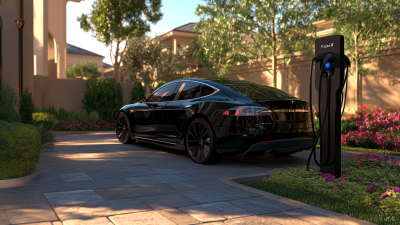
As the electric vehicle (EV) market continues to grow, the importance of efficient charging solutions cannot be overstated. According to a recent report by the International Energy Agency (IEA), the number of electric cars worldwide is projected to reach 145 million by 2030. This surge emphasizes the need for reliable and accessible charging infrastructure, particularly portable options. The introduction of Portable Charging Stations for Electric Cars has become a vital consideration for both manufacturers and consumers.
Industry expert Dr. Emily Carson, a leading figure in EV infrastructure, states, “Portable Charging Stations offer flexibility that stationary units cannot.” This statement highlights the versatility and user-friendliness of portable solutions, which can meet the demands of mobile lifestyles. With advancements in technology, these charging stations are becoming more efficient and able to deliver faster charging times. However, while these innovations are promising, the integration of portable stations into existing infrastructure raises several challenges.
Many existing portable solutions still need improvements in compatibility and power output. Some users report frustrations with inconsistent charging speeds. As the industry evolves, addressing these imperfections will be key to enhancing customer satisfaction. Ultimately, the future of Portable Charging Stations for Electric Cars hinges on collaboration among stakeholders, ensuring that these solutions are not only innovative but also reliable.
Top Features to Look for in 2026 Portable Charging Stations
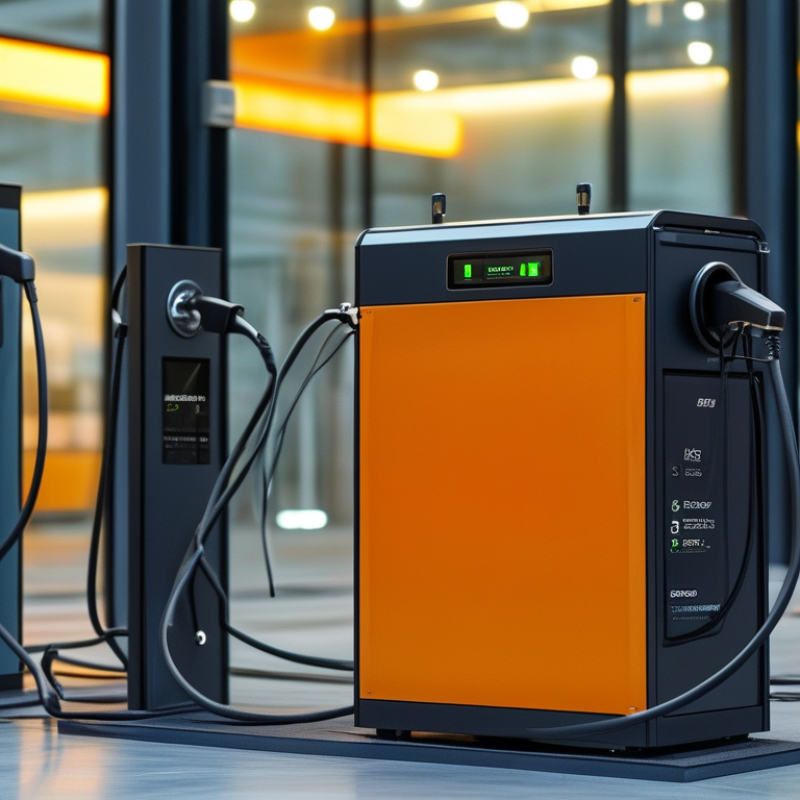
When considering portable charging stations for electric cars in 2026, several key features stand out. First, charging speed remains crucial. Look for stations that support ultrafast charging, with the capability to deliver 350 kW or more. This can reduce charging time dramatically, helping to meet the increasing demand for efficient energy replenishment.
Battery capacity is another vital aspect. Stations equipped with larger batteries allow for multiple uses before needing a recharge themselves. It’s often recommended to have a capacity of at least 50 kWh. This can provide ample power for various electric vehicles, catering to the growing market.
**Tips:** Always check compatibility first. Not all cars support every charging station. Ensure your electric vehicle can utilize the station effectively.
Cost is a consideration too. Reports suggest average prices for high-end portable chargers are around $1,000 to $2,500. Users may need to ponder the balance between price and features.
**Tip:** Evaluate the warranty. A long warranty often indicates a company's confidence in its product's quality and longevity.
As you explore options, it's crucial to reflect on real-world usage and reliability. Some stations may promise high performance but might fall short in practical conditions. Research user reviews and case studies to gauge true effectiveness.
Top Portable Charging Stations for Electric Cars in 2026
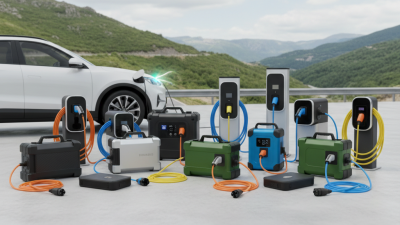
This chart displays key features of top portable charging stations for electric vehicles in 2026. The data reflects a balance of charging speed, portability, price, user ratings, and warranty, helping consumers make informed decisions.
Comparison of Leading Brands for Electric Car Charging Solutions
As the electric vehicle market continues to expand, charging solutions are becoming increasingly vital. Various brands are now competing to offer the best portable charging stations. Each brand has unique features worth exploring.
One popular approach is fast charging capability. Some stations can recharge an electric car in under an hour. This speed is crucial for users on long trips. But with high speed comes a trade-off. Fast charging can wear down battery life over time. Not all users may be aware of this.
Design also plays a role in users' experiences. Many charging stations are compact and lightweight. They are easy to transport, making them ideal for road trips. However, portability often sacrifices charging speed. Users need to weigh convenience against efficiency. Finding the perfect balance is challenging.
In conclusion, evaluating various brands requires thorough research. Features like charging speed and portability are essential. Yet, users must navigate potential drawbacks thoughtfully. Reflection on personal needs can lead to the right choice.
Innovative Technologies in Portable Charging Stations for 2026
The landscape of portable charging stations for electric vehicles (EVs) is evolving rapidly in 2026. A focus on innovative technologies is shaping this domain. For instance, solar-powered charging units are gaining traction. These units harness solar energy, offering sustainable power on the go. They are lightweight and can fit into compact spaces. This feature makes them ideal for road trips or emergencies.
Smart charging options are on the rise as well. These stations utilize apps for real-time monitoring. Users can check the status of their battery and receive updates on charging speed. This level of interactivity enhances user experience. The integration of artificial intelligence can optimize charging patterns. It ensures that EVs charge efficiently based on demand and availability.
Additionally, wireless charging technologies are being tested. Though still in development, they promise convenience without the need for cables. Users can simply park over a charging pad and power up their vehicles. However, challenges remain, such as efficiency and cost. As the industry moves forward, these aspects require critical evaluation. Explorations into sustainable materials for station construction are also important. This will ensure that advancements benefit both users and the environment.
Top Portable Charging Stations for Electric Cars in 2026
| Model |
Charging Power (kW) |
Battery Capacity (kWh) |
Weight (kg) |
Charging Time (0-80%) |
Features |
| Model A |
22 |
12 |
15 |
30 min |
Mobile App Control, Weather Resistant |
| Model B |
11 |
10 |
12 |
40 min |
Dual USB Ports, Compact Design |
| Model C |
7.2 |
8 |
10 |
60 min |
LED Display, Lightweight |
| Model D |
50 |
15 |
20 |
20 min |
Fast Charging, Portable Design |
| Model E |
40 |
20 |
25 |
45 min |
Multiple Outlets, Smart Connectivity |
User Experiences and Reviews of 2026 Portable Electric Car Chargers
As electric vehicles gain popularity, portable charging stations have become essential for many users. A recent survey revealed that nearly 40% of electric car owners experienced range anxiety due to inaccessible charging options. Users often state that having a portable charger alleviates these concerns, allowing for spontaneous trips without worrying about finding a charging point.
Review forums show mixed experiences with various portable chargers. Many users appreciate the lightweight design and ease of use. However, some report issues with charging speed, noting that not all portable chargers deliver the promised rates. According to the International Energy Agency, the average charging time for portable solutions can significantly vary, sometimes taking up to 10 hours for a full charge on lower-end models.
While user feedback is essential, it also highlights the need for better innovation in the industry. Some users express frustration over the limited availability of compatible charging units for different electric vehicle models. As the market evolves, ongoing discussions about reliability and efficiency are crucial. Future developments will likely address these challenges, ensuring users find portable charging solutions that truly meet their needs.
Future Trends in Electric Vehicle Charging Infrastructure and Portability
As electric vehicles (EVs) gain popularity, the demand for portable charging solutions skyrockets.
A key trend in 2026 is the development of lightweight, high-capacity charging stations. These portable units are easy to carry and can charge multiple vehicles simultaneously. Their compact design allows for easy storage in a trunk or garage.
Tips: Consider the weight and size when choosing a charging station. A heavier model might offer more power but could be cumbersome. Balance is essential.
Another trend to look for is the integration of smart technology. Future charging stations may feature app connectivity, allowing users to monitor charging status in real-time. Additionally, solar-powered options are becoming more viable, offering a green solution for charging on the go.
Tips: Keep an eye on battery capacity and charging speed. It’s crucial to find a unit that meets your specific needs, especially for longer trips.
As EVs evolve, so does the portability of their charging systems. While advancements are impressive, there remains room for improvement. The reliability of these systems in various weather conditions is still a concern. Users should be prepared for occasional limitations in charging locations.