What is Ev Car Charger Adapter and How Does it Work?
The rise of electric vehicles has reshaped the automotive landscape. A key element in this transformation is the EV Car Charger Adapter. This compact device connects electric vehicles to various charging stations seamlessly. Understanding its function is crucial for new EV owners.
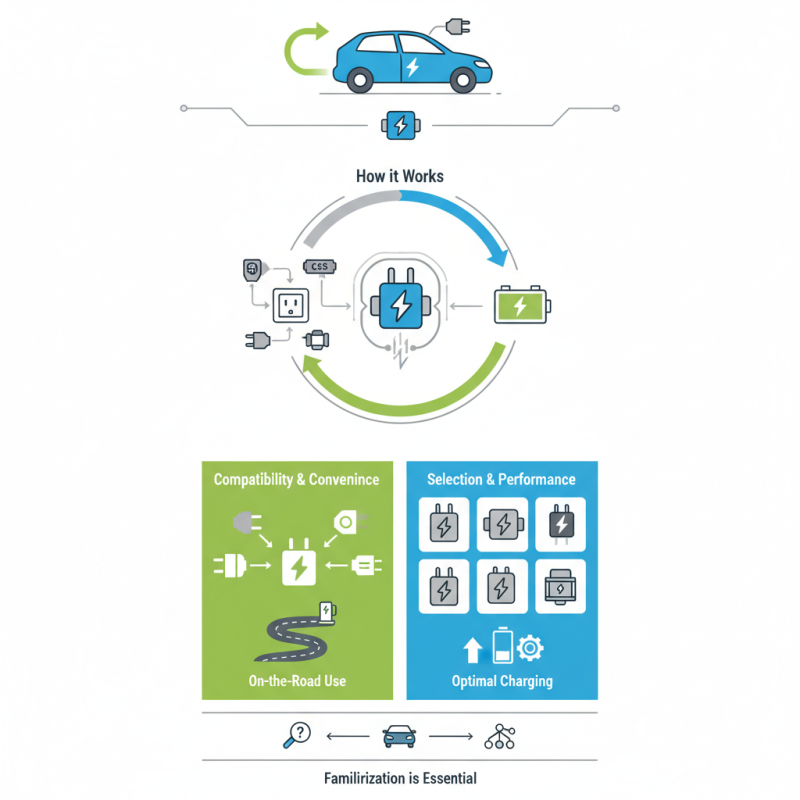
The EV Car Charger Adapter facilitates charging by converting power from a source to the vehicle's battery. It enables compatibility between different charging standards and plug types. This is vital for convenience while on the road. However, not all adapters work with every model, leading to confusion and frustration.
Proper selection and usage of an EV Car Charger Adapter can enhance the EV experience. With numerous options available, choosing the right one may feel overwhelming. Each model has specific features and capabilities. A lack of knowledge can result in suboptimal charging, affecting vehicle performance. Therefore, familiarizing oneself with this technology is essential for every EV owner.
What is an EV Car Charger Adapter?
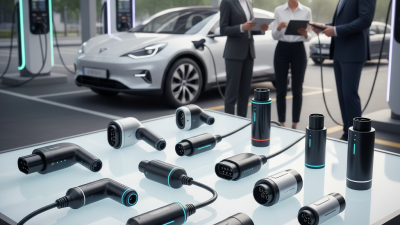
An EV car charger adapter is a vital accessory for electric vehicle owners. It allows different types of charging stations to connect with your vehicle. These adapters bridge the gap between the charging point and your car, ensuring compatibility. They come in various designs, depending on the type of charging system and vehicle model.
Many EVs use standardized connectors, but differences can exist. An adapter can help overcome these differences, providing versatility for charging at public stations. Using the right adapter ensures efficient charging, minimizing power loss. However, some users may find it confusing to choose an adapter. Understanding the specifications can be tricky.
Installation of an EV car charger adapter is generally straightforward. Most adapters plug directly into the charging port without additional tools. Still, users should verify compatibility before purchasing. Not all adapters perform equally. Some may not support fast charging or specific models. This lack of clarity can lead to frustration in urgent charging situations. Keeping informed about the latest options available is essential for any EV owner.
What is an EV Car Charger Adapter and How Does it Work?
| Adapter Type |
Charging Speed |
Compatibility |
Voltage |
Use Case |
| Type 1 (J1772) |
Up to 7.2 kW |
Most North American EVs |
120/240 V |
Home charging |
| Type 2 (Mennekes) |
Up to 22 kW |
European EVs |
230 V |
Public charging stations |
| Type 3 |
Up to 43 kW |
Certain European EVs |
400 V |
Fast public charging |
| DC Fast Charger |
Up to 350 kW |
Global EVs (varies by connector) |
400-800 V |
High-speed charging |
Types of EV Car Charger Adapters Explained
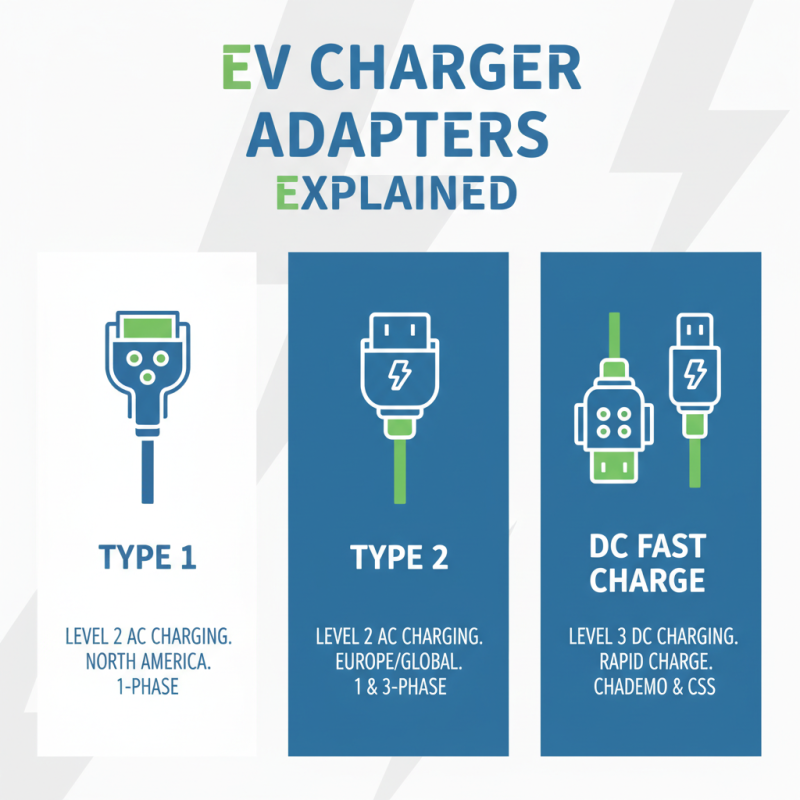
When diving into the world of electric vehicles (EVs), understanding the types of EV car charger adapters is essential. These adapters play a key role in optimizing the charging process. There are primarily three types: Type 1, Type 2, and DC fast chargers. Each one has distinct functionalities suited to different needs.
Type 1 chargers often serve single-phase systems, primarily found in North America and Japan. They use a simple design, making them straightforward to employ. Type 2 chargers, on the other hand, cater to three-phase charging, enabling faster power delivery. These are commonly available in Europe and are increasingly popular worldwide. DC fast chargers are game-changers, offering rapid charging solutions, albeit at higher costs and with greater infrastructure demands.
Choosing the right adapter involves assessing your vehicle and charging needs. Some users may overlook the charging speed and cost-effectiveness. Further, not all vehicles support all types of chargers, which can lead to frustration. It’s crucial for EV owners to research their options thoroughly, ensuring they select a compatible and efficient solution for their electric vehicle.
How to Choose the Right EV Car Charger Adapter
Choosing the right EV car charger adapter is crucial for optimal charging. Consider the charging speed based on your vehicle's compatibility. According to the International Energy Agency, as of 2022, over 16 million electric cars were on the road worldwide. Fast chargers can give you a significant range in just a few minutes. However, the right adapter ensures you maximize this potential.
Compatibility matters. Check the plug type, which varies among manufacturers. For example, the J1772 is common in North America, while the Type 2 connector is prevalent in Europe. A mismatched adapter can lead to inefficient charging or, worse, damage to your vehicle’s battery. Always consult your vehicle’s manual for specific requirements.
Tips: Look for adapters with built-in safety features. This can prevent overheating and short circuits. Ensure your adapter is tested and certified for safety standards. Also, consider an adapter with adjustable amperage settings. This flexibility can help you adapt to different charging stations.
Evaluate your charging needs. If you frequently travel long distances, a high-capacity adapter is beneficial. However, many users may find a standard adapter sufficient for daily use. It's essential to strike a balance between cost and functionality. Always weigh your options carefully before making a choice.
Understanding the Working Mechanism of EV Charger Adapters
EV charger adapters serve a vital role in the efficient charging of electric vehicles. They connect the EV to different charging sources, allowing for flexibility in charging options. At their core, these adapters convert electrical currents to the appropriate voltage and amperage compatible with the EV's charging system.
Understanding how these adapters work involves looking at their internal components. They typically include control mechanisms that communicate with the vehicle. This coordination ensures that the charging process is safe and effective. Adapters may vary in design, but most follow the same basic functions to prevent overcharging or overheating.
Tips: When using an EV charger adapter, ensure it is compatible with your vehicle. A mismatch can lead to inefficient charging. Regularly inspect the adapter for signs of wear or damage. Clean the connectors to prevent dirt buildup, which can disrupt the charging process.
Most chargers can operate in various conditions. However, extreme temperatures can affect performance. It's essential to be cautious when charging in very hot or cold environments. Also, make sure to review any instructions provided with your charger adapter. Each model may have unique requirements or features worth understanding.
Understanding EV Charger Adapter Output Power Levels
Benefits of Using an EV Car Charger Adapter for Electric Vehicles
Electric vehicles (EVs) are becoming increasingly popular. One key component in enhancing their usability is the EV car charger adapter. These adapters allow EV owners to connect their vehicles to various charging stations, maximizing convenience. According to a report from the International Energy Agency, global EV sales reached 6.6 million units in 2021. As more drivers switch to electric, understanding the benefits of charger adapters is essential.
Using an EV charger adapter provides flexibility. It enables compatibility with different charging ports, ensuring drivers can charge at various locations. A study from the U.S. Department of Energy states that charging infrastructure is crucial for expanding EV adoption. Efficient charging solutions can eliminate range anxiety, a common concern among potential EV owners. An adapter can deliver faster charging times, especially with DC fast chargers, making long trips more feasible.
However, some EV owners may face challenges. Not all adapters are designed equally, and choosing the wrong one can lead to inefficient charging. Consumers should explore compatibility issues carefully. While most adapters simplify the charging process, there's a learning curve. It’s important for users to understand their vehicle's specific requirements. Using an adapter is beneficial, yet awareness of limitations is key to optimizing the charging experience.