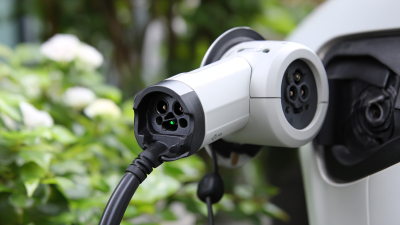
What is an Ev Charger Plug and How Does it Work?
As electric vehicles (EVs) gain traction globally, the role of the EV Charger Plug becomes increasingly crucial. According to a report by the International Energy Agency (IEA), there were over 10 million electric vehicles on the road in 2020, with projections showing that this number could exceed 145 million by 2030. This surge in EV popularity emphasizes the need for efficient charging infrastructure.
Understanding how an EV Charger Plug works is essential for both consumers and industry stakeholders. These plugs facilitate the transfer of electricity from the charging station to the vehicle's battery. They come in various types, including Level 1, Level 2, and DC fast charging. Each type offers different charging speeds and compatibility, impacting user experience.
However, challenges remain. Not all plugs are compatible with every vehicle, leading to confusion. Furthermore, the lack of standardization can hinder widespread adoption. As the EV market evolves, manufacturers and policymakers must address these issues to ensure a seamless charging experience. Embracing innovation while promoting best practices in charging technology will be vital for the future of electric mobility.
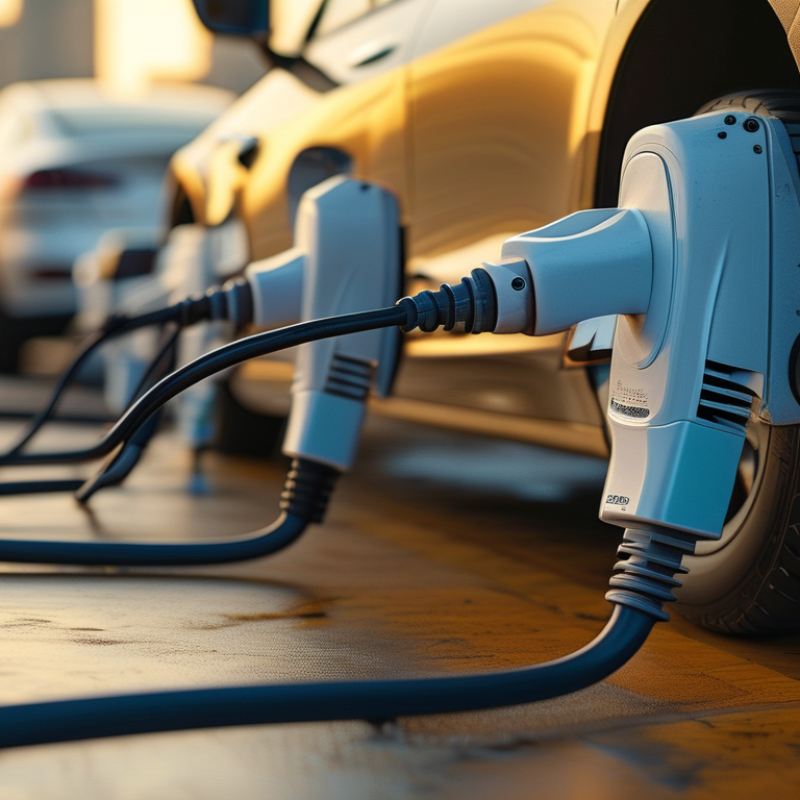
Understanding the Basics: What is an EV Charger Plug?
An EV charger plug is vital for electric vehicles. It connects the vehicle to a power source, enabling charging. Understanding how this plug works can enhance your EV experience.
The most common plug types include Type 1 and Type 2, as per the International Electrotechnical Commission (IEC). Reports indicate that over 85% of chargers in Europe use Type 2 plugs. This standardization helps ensure compatibility with various electric vehicle models.
Tips: Regularly check the plug for wear. A damaged plug can impede charging efficiency. Maintaining cleanliness also prevents connection issues. With EV sales projected to hit 30% of global sales by 2030, reliable charging solutions are essential for growth and consumer trust.
Types of EV Charger Plugs: Level 1, Level 2, and DC Fast Charging
Electric vehicle (EV) chargers come in different types, each catering to specific needs and charging speeds. Level 1 chargers use a standard 120-volt outlet. They are the slowest option but are widely accessible. Most homeowners can install these chargers easily. Charging with Level 1 can take up to 24 hours for a full charge, making it less suitable for urgent needs.
Level 2 chargers operate at 240 volts and significantly reduce charging time. These are commonly found in public charging stations and can fully charge an EV in about 4 to 8 hours. Many businesses and workplaces install Level 2 chargers to support employees and customers. However, finding a suitable location may require some searching.
DC Fast Charging stations provide the quickest option. They can charge an EV to 80% in 30 minutes or less. This type is ideal for long-distance travel. However, not all EVs can use them, which is something to consider. As EV adoption grows, there’s a need for more accessible charging infrastructure. While charging technology continues to evolve, one must stay informed about the options available.
What is an Ev Charger Plug and How Does it Work? - Types of EV Charger Plugs: Level 1, Level 2, and DC Fast Charging
| Charger Type |
Charging Speed |
Voltage |
Use Case |
Connector Type |
| Level 1 |
2-5 miles/hour |
120V |
Home Charging |
NEMA 5-15 |
| Level 2 |
10-60 miles/hour |
240V |
Home & Public Charging |
J1772 |
| DC Fast Charging |
3-20 miles/minute |
480V |
Commercial Charging |
CHAdeMO, CCS |
Technical Specifications: Voltage, Amperage, and Charging Speed Explained
Electric vehicle (EV) chargers come in various types and specifications. The plug, one of the crucial components, connects the charging station to the vehicle. Understanding the technical specifications can determine charging speed and compatibility. Key factors to consider are voltage, amperage, and the resultant charging speed.
Most home EV chargers operate at a voltage of 240 volts, a standard for Level 2 chargers. These chargers typically deliver 32 amps, allowing vehicles to gain about 25 miles of range per hour. In contrast, DC fast chargers can provide up to 800 volts and 400 amps, which results in charging speeds exceeding 200 miles in just 20 minutes. This fast charging capability meets the demands of drivers who require rapid top-ups. An industry report noted that fast charger installations have seen a growth of 56% in urban areas within the past year.
Moreover, the efficiency of these systems can vary based on several factors. For instance, environmental conditions impact performance. Cold temperatures can reduce charging efficiency by 20%. It’s essential to analyze these variations. Not all chargers offer the same features. Some might lack necessary safety measures, which could lead to overheating issues. Therefore, understanding these specifications is critical when selecting an EV charger to ensure safety and performance effectiveness.
The Role of Charging Infrastructure: How EV Chargers are Integrated
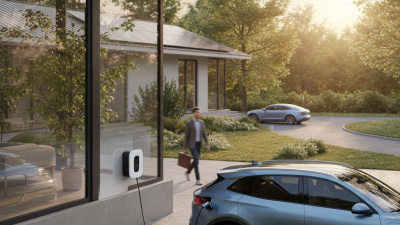
The availability of charging infrastructure is crucial for electric vehicles (EVs). It facilitates the transition from fossil fuel vehicles to greener alternatives. Public charging stations are vital. They alleviate range anxiety, allowing drivers to recharge conveniently. This infrastructure also includes home chargers, which provide a practical solution for daily charging needs.
EV chargers come in various types, designed for different use cases.
Level 1 chargers are found in homes, while Level 2 and DC fast chargers are prevalent in public spaces. Each type affects charging speed and convenience. Drivers often face challenges, like varying charging station availability. Sometimes, drivers must heavily plan their routes to find functional chargers.
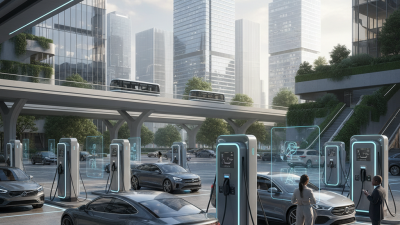
As the EV market grows, the integration of chargers into urban planning becomes essential. Cities must balance space for charging stations and other infrastructure. Local governments play a significant role in this integration. They often implement policies to ensure widespread access. However, there are still gaps and inconsistencies in the charging network, indicating the need for ongoing improvement and adaptation.
Safety Standards and Regulations for EV Charging Equipment
When exploring the world of electric vehicle (EV) charging, safety standards and regulations play a crucial role. These guidelines ensure that the charging equipment used is not only effective but also safe for everyday consumers. Various organizations, including international and national bodies, set these standards.
One primary aspect of safety regulations relates to the construction and design of EV chargers. Manufacturers must meet specific electrical safety requirements. Proper insulation and circuit protection are vital to prevent electrical fires and shocks. Improperly designed chargers could pose risks, making adherence to standards crucial for user safety.
Periodic testing and certification by regulatory authorities help maintain equipment quality. Many EV chargers undergo rigorous evaluations to ensure they meet safety criteria. However, not all devices are created equal. Consumers should remain vigilant about the chargers they select. Lack of awareness about safety certifications can lead to poor choices. Understanding these regulations enhances confidence in using EV chargers safely.