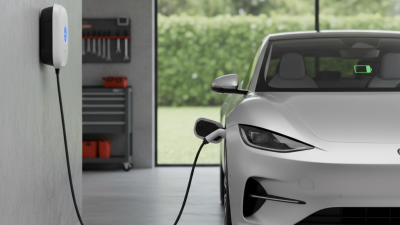
Choosing the right Ev Home Chargers system begins with one practical question: where will your car sit overnight?
The International Energy Agency reported that global electric car sales exceeded 17 million in 2024. More vehicles now depend on convenient, reliable charging at home. The U.S. Department of Energy explains that Level 2 equipment can typically add 10 to 80 miles of range per charging hour. Actual results depend on the vehicle, circuit capacity, temperature, and charger settings. Numbers can mislead without context.
Brent Gruber, Senior Director at J.D. Power, has stated, “Most EV owners do the vast majority of their charging at home.” That simple observation changes the buying decision. A charger should match daily mileage, parking conditions, electrical capacity, and future vehicle plans. It should not merely offer the highest advertised power.
Look beyond speed.
This guide compares plug-in and hardwired models, smart scheduling, weather protection, cable length, safety certifications, installation requirements, and software reliability. ENERGY STAR and the U.S. Department of Energy both emphasize efficiency and verified performance when evaluating charging equipment. Independent reviews also reveal details that specifications often hide, such as stiff cables on cold mornings or confusing applications.
A lower-priced unit may appear attractive. However, installation, upgrades, and replacement costs can change the final value. Conversely, the most powerful charger may exceed your home’s needs. That is where many buyers, including experienced owners, can make imperfect assumptions. The best choice is usually the charger that fits your routine consistently, safely, and with room for tomorrow’s driving habits.
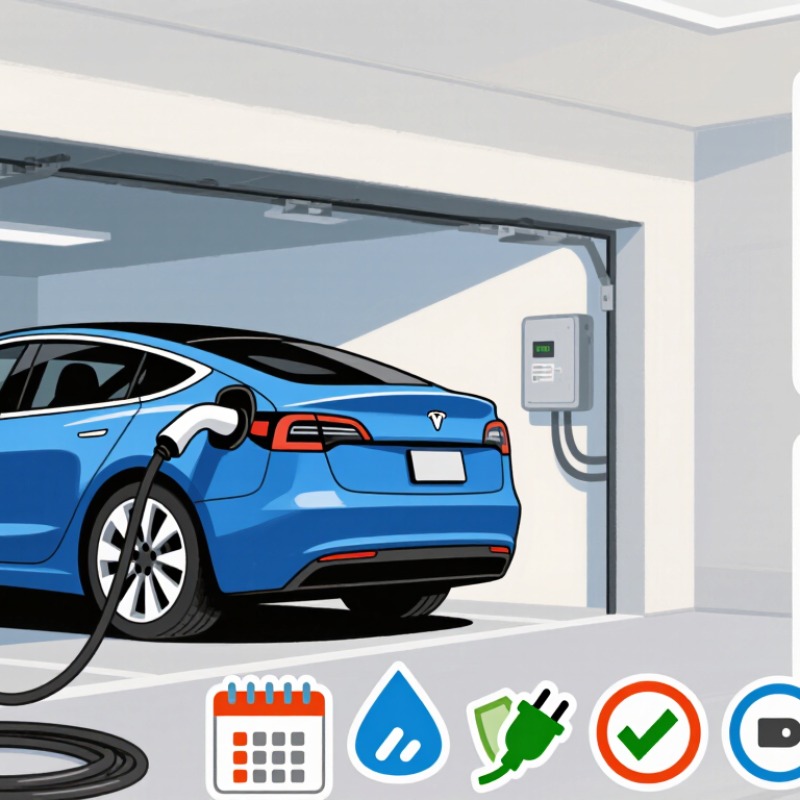
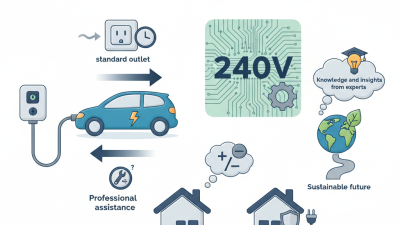
EV home charging starts with understanding charging levels. Level 1 uses a standard 120-volt outlet and adds about 2–5 miles of range per hour, according to the U.S. Department of Energy’s Alternative Fuels Data Center. It suits drivers with short commutes and overnight parking. However, it can feel painfully slow after a long trip. My first mistake was judging charging speed without checking daily mileage.
Level 2 uses a 208- or 240-volt circuit and typically adds 10–60 miles per hour, depending on vehicle efficiency and charger output. The U.S. Department of Energy recommends checking available electrical capacity before installation. A home assessment should confirm breaker space, wiring condition, cable length, and outdoor protection. Do not assume a larger charger always means faster charging. The vehicle may accept less power.
Charging needs are growing. The International Energy Agency reported more than 14 million electric cars were sold globally in 2023, representing about 18% of new car sales. That growth makes reliable home charging increasingly important. For most households, Level 2 offers the best balance between speed, convenience, and installation cost. A 7–9 kilowatt unit can often refill overnight. Still, charging habits vary. A driver covering 20 miles daily may not need maximum power, while apartment parking creates different limits. Professional installation and safety certification matter more than impressive numbers. en dash? okay.
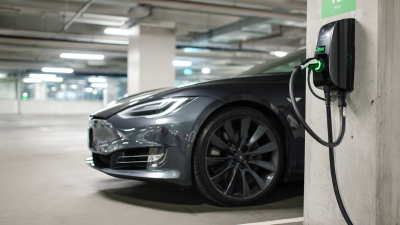
Start with the vehicle, not the charger. Check the battery capacity, maximum AC charging rate, and connector type in the owner’s manual. A charger delivering 11 kW cannot make the car accept 11 kW if its onboard system allows less.
Measure your real driving pattern. Record your average daily distance for one ordinary week, including school runs, traffic, and unexpected trips. Multiply daily miles by the vehicle’s energy use, then add roughly 10 to 20 percent for charging losses. For example, a 40-mile commute may require more energy than the dashboard estimate suggests. Winter temperatures can reduce efficiency noticeably. Small details matter.
Your parking routine matters too. A car parked beside the electrical panel may need a shorter cable and simpler installation. A vehicle parked outdoors may require weather-resistant equipment and careful cable placement. Check whether your home has suitable electrical capacity, then ask a licensed electrician to inspect the panel, circuit, grounding, and installation route. Do not assume an old outlet is ready for continuous high-power charging.
My first instinct is often to choose the fastest option. That is not always practical. If the vehicle sits overnight for eight hours, moderate charging may already replace the next day’s energy. A slower setup can cost less and place fewer demands on the home system. Still, your routine may change. Guests, longer commutes, and missed charging nights deserve honest consideration. Assess the week you actually live, not the perfect schedule.
Choosing the right EV home charger starts with power, not appearance. Check your vehicle’s maximum AC charging rate first. A 7.4 kW charger may suit many daily commutes. Larger units can be useful for bigger batteries or shorter charging windows. However, your home circuit must support the load safely. A qualified electrician should inspect the panel, cable size, grounding, and installation location.
Think about your routine. If your car sits overnight, moderate power may be enough. A 3.6 kW charger can add useful range while you sleep. A 11 kW charger needs suitable electrical capacity and may require three-phase power. Faster is not always better. It can increase installation costs without improving your daily experience.
The connector must match both the vehicle and the charger. Common AC options include Type 1 and Type 2 connectors, depending on your region and vehicle. Confirm the inlet shape in the owner’s manual before buying. Also check whether the cable is fixed or removable. A fixed cable is convenient outside, while a removable cable is easier to replace. I once focused too much on charging speed and overlooked cable length. That mistake would have placed the charger too far from the parking space. Measure the distance carefully, including the route around walls or doors. Leave some flexibility for future vehicles, but do not pay for capacity you cannot use.
Choosing the right charger depends mainly on available power, connector compatibility, and the battery size of the vehicle.
This chart compares typical AC charging configurations for a 60 kWh battery. A household outlet may provide around 2.3 kW, while dedicated home chargers commonly provide 7.4 kW, 11 kW, or 22 kW. Type 1 connectors are generally used with single-phase charging, while Type 2 connectors can support single-phase and three-phase charging, depending on the vehicle and electrical installation. Actual charging times can be longer because of charging losses, battery temperature, and power reduction near full charge.
Choosing an EV home charger starts with the electrical panel, not the charger catalogue. The U.S. Department of Energy’s Alternative Fuels Data Center lists residential Level 2 equipment at 208–240 volts, with outputs reaching 19.2 kilowatts. That demand can exceed the spare capacity of an older home. Ask a licensed electrician to review the service rating, panel condition, existing circuits, and calculated household load. An empty breaker slot does not prove available capacity. It is an easy mistake to make.
Installation choices depend on both capacity and location. A hardwired charger usually offers a cleaner connection and fewer plug-related concerns. A 240-volt receptacle can provide flexibility, but it must match the circuit rating and charging equipment. Outdoor installations need suitable weather protection, cable routing, and physical clearance. Local permits and inspection rules also vary, so confirm them before buying equipment. The DOE recommends dedicated circuits for EV charging, while the International Energy Agency’s Global EV Outlook 2024 reports that private charging points grew by more than 40% during 2023. That growth makes careful residential planning more important, not less. A 7.2-kilowatt charger could theoretically deliver 57.6 kilowatt-hours in eight hours, before charging losses. Real results vary. Recheck the load calculation after adding electric heating, a heat pump, or solar equipment.
Choosing an EV home charger means comparing protection, intelligence, and lifetime cost. The IEA’s Global EV Outlook 2024 reported more than 14 million electric cars sold worldwide in 2023. Home charging is becoming daily infrastructure, not a luxury accessory.
Safety should come before charging speed. Look for certified ground-fault protection, over-temperature monitoring, weather resistance, and automatic power interruption. IEC 61851 and UL 2231 provide useful technical reference points. A licensed electrician should inspect the circuit, outlet, cable route, and breaker capacity. I once focused too heavily on charging speed. That was a poor assumption. A warm plug or undersized circuit can create expensive trouble. Small details matter.
Smart functions can reduce waste. Scheduling charging during cheaper hours, adjusting current automatically, and balancing household loads are practical features. The U.S. Department of Energy notes that Level 2 charging can add roughly 25 to 30 miles of range per hour, depending on the vehicle. However, faster charging may require electrical upgrades. The U.S. Energy Information Administration reported an average residential electricity price of about 16 cents per kilowatt-hour in 2024. Calculate electricity, installation, maintenance, and subscription fees together. A cheaper unit may lack useful controls. A premium model may provide features you rarely use. Compare five-year costs, not just the checkout price. My estimate would still include a repair allowance, because cables, connectors, and software are not equally durable.