Top 10 Home Electric Car Chargers You Should Consider?
As electric vehicles gain popularity, the need for an efficient Electric Car Charger For Home is crucial. Home charging provides convenience and savings. With various options available, selecting the right charger can be daunting.
You want a charger that meets your vehicle's specifications and fits your lifestyle. Some chargers offer fast charging, while others are more suited for overnight charging. Evaluating your needs is essential. Features like Wi-Fi connectivity and smart charging can enhance user experience.
However, not every charger is perfect for every home. Some installations may require electrical upgrades. This can lead to additional costs and complexities. Thorough research and understanding of different models will help you make a wise choice. Ultimately, finding the right Electric Car Charger For Home may take time, but it is worth the effort for a smooth and efficient charging experience.
Overview of Home Electric Car Chargers
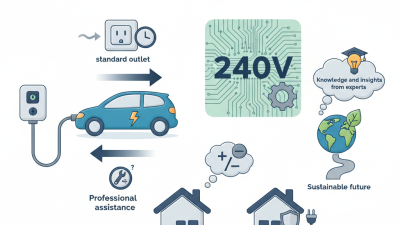
When selecting a home electric car charger, various factors come into play. Understanding the type of charger that suits your needs is essential. Level 1 chargers use a standard outlet and are slower but handy for overnight charging. Level 2 chargers provide faster charging, making them suitable for daily use. Consider the installation space and whether it's accessible for your vehicle.
The features of a charger can greatly impact your experience. Some offer smart capabilities, allowing you to monitor charging via a mobile app. This can help optimize your charging schedule. However, these smart features can sometimes be unreliable and frustrating. It’s also crucial to think about the power supply available in your home. A charger that can’t work with your electrical setup is of no use.
Safety should never be overlooked. Look for chargers with safety certifications to protect against electrical hazards. However, even with certified devices, unpredictable issues can arise. Regular maintenance is often necessary, yet many overlook it. Finding a charger that balances convenience, safety, and performance can be challenging. It's worth exploring customer reviews and expert opinions to avoid common pitfalls.
Factors to Consider When Choosing an Electric Car Charger
When choosing an electric car charger, several factors come into play. Power output is crucial. Chargers usually range from 3.7 kW to 22 kW. Higher power means faster charging times. However, not all homes can support higher outputs. Assess your home’s electrical capacity first.
Additionally, compatibility is key. Not all chargers work with every electric vehicle. Check your car's specifications. Look for features like smart charging. These can optimize energy usage and may save money. It's vital to understand your local electricity rates. Peak times can significantly impact your costs.
Installation complexity adds another layer. Some chargers are easier to install than others. Consider professional installation. It can ensure safety and compliance with local codes. Lastly, think about durability and weather resistance. Chargers placed outdoors need to withstand various conditions. Look for models with robust enclosures. This kind of detail can save you from future headaches.
Top 10 Home Electric Car Chargers You Should Consider
| Charger Type |
Charging Power (kW) |
Charging Speed (miles/hour) |
Installation Type |
Smart Features |
Price Range (USD) |
| Level 1 Charger |
1.4 - 2.4 |
4 - 5 |
Plug-in |
No |
200 - 500 |
| Level 2 Charger |
3.3 - 10 |
10 - 60 |
Wall-mounted |
Yes |
500 - 700 |
| DC Fast Charger |
50 - 350 |
100 - 200 |
Stand-alone |
Yes |
10,000 - 40,000 |
| Portable Charger |
1.4 - 2.4 |
3 - 5 |
Plug-in |
No |
300 - 600 |
| Smart Home Charger |
3.3 - 9.6 |
10 - 50 |
Wall-mounted |
Yes |
600 - 1,200 |
| Level 2 Charger with Wi-Fi |
7.2 - 22 |
20 - 80 |
Wall-mounted |
Yes |
800 - 1,500 |
| Networked Charger |
10 - 32 |
30 - 60 |
Wall-mounted |
Yes |
1,000 - 2,000 |
| Fleet Charger |
20 - 80 |
50 - 100 |
Stand-alone |
Yes |
4,000 - 10,000 |
| Solar Charger |
2 - 6 |
5 - 15 |
Portable/Wall-mounted |
Optional |
1,000 - 3,000 |
Top Features of the Best Home Electric Car Chargers
When considering a home electric car charger, focus on essential features. One critical aspect is charging speed. Level 2 chargers typically deliver a power output between 3.3 kW to 19.2 kW. This can fully charge most electric vehicles overnight. According to the U.S. Department of Energy, a Level 2 charger can provide about 25 miles of range for every hour of charging.
Compatibility is another important feature. Not all chargers work with every vehicle model. Researching vehicle specifications can prevent frustrating mismatches. Effective user interfaces also enhance usability. A display that shows charging status can be highly beneficial.
Tips:
Seek chargers with smart features. Many models now connect to Wi-Fi. This can enable usage tracking or remote control via apps. Energy-efficient models often include automatic shut-off functions. This reduces energy waste and saves costs over time.
Consider the installation process. Proper installation is essential for optimal performance. Some chargers require professional installation, which might add to the overall cost. DIY configurations can be available but may not always meet safety standards. Balancing cost with reliability will lead to more satisfactory outcomes.
Comparison of Charging Speeds and Compatibility
When choosing a home electric car charger, charging speed and compatibility are crucial factors. Charging speeds vary significantly among different models. Level 1 chargers typically provide 2 to 5 miles of range per hour. In contrast, Level 2 chargers can deliver 10 to 60 miles of range within the same time frame. Higher speeds reduce downtime, a vital point for busy households.
Compatibility is another essential aspect. Not all chargers work with every electric vehicle. Check your car’s connector type and ensure the charger can meet your needs. Many newer models support universal connectors, but always verify specifications. Installation can also present challenges. Some homes may require electrical upgrades to accommodate faster chargers. Contacting a qualified electrician is wise for safe installation.
Many users overlook maintenance aspects. Regular checks for wear or damage can prolong charger lifespan. Moreover, software updates may be necessary for smart chargers. These updates can maximize efficiency and user experience. Prioritizing compatibility and charging speeds will lead to a more integrated and efficient home charging setup.
Cost Analysis and Installation Tips for Home Chargers
Installing a home electric car charger can be a smart investment for many drivers. Understanding the costs involved is essential. The setup typically requires an electrician, which can increase expenses. Overall, installation may range from $500 to $2,000, depending on the home’s electrical system and the charger type. Wiring and permits may add to the costs as well.
Choosing the right location for installation is crucial. A garage or carport is ideal. This prevents exposure to the elements. If your home lacks space, consider installing a charger outdoors with proper weather protection. Don't overlook the importance of assessing your electrical panel. An upgrade might be necessary, leading to additional costs. Additionally, keeping the cable tidy can minimize tripping hazards.
It's also important to factor in usage costs. Charging at home can lower monthly bills but will depend on local electricity rates. Tracking your energy consumption is a good idea. Charging schedules can help optimize costs. Overall, while installation costs can be significant, the convenience and benefits of home charging often outweigh the disadvantages.