Leave Your Message

Top 10 EV Car Adapters for Global Buyers in 2026?

Global EV adoption is changing a small but critical product: the Ev Car Adapter. The International Energy Agency reported more than 17 million electric cars sold worldwide in 2024. That represented over one-fifth of new car sales. BloombergNEF also recorded strong expansion in public charging infrastructure, although connector standards remain fragmented.

For global buyers, an adapter is not merely a plastic connector. It is the bridge between a vehicle inlet, a charging station, regional voltage, and charging protocol. A wrong match can mean slow charging, warning messages, or complete failure. Safety matters more than a low price. So does verified thermal performance.

Tom Moloughney, an EV charging specialist and host of State of Charge, offers a practical principle: “Compatibility comes before convenience.” This idea guides the rankings in Top 10 EV Car Adapters for Global Buyers in 2026. Each product should be judged by connector type, charging speed, communication support, build quality, and regional usability.

The shortlist will examine CCS1, CCS2, CHAdeMO, Type 1, Type 2, and Tesla-related compatibility. It will also consider weather sealing, cable flexibility, locking design, and manufacturer documentation. These details become tangible at a cold roadside charger or a crowded apartment parking garage.

No ranking is perfect. Vehicle software changes. Charging networks behave differently. Some adapters look universal but are not. Readers should still confirm their vehicle manual and charger specifications before purchasing. The strongest option is not always the fastest one. It is the safest match for a specific car, country, and charging routine.

Top 10 EV Car Adapters for Global Buyers in 2026?

EV Car Adapters: Purpose, Types, and Global Charging Standards

Top 10 EV Car Adapters for Global Buyers in 2026?

EV car adapters connect different vehicle inlets, charging cables, and power outlets. They do not automatically change voltage, current, or charging speed. Buyers must match three details: the vehicle inlet, the charger connector, and the local electrical system. Common standards include Type 1, Type 2, CCS1, CCS2, CHAdeMO, GB/T, and the North American Charging Standard. Each uses different communication methods and safety controls.

Adapter types serve different purposes. AC plug adapters support slower home or destination charging. AC connector adapters help match a vehicle with a public charging post. DC fast-charging adapters are more complex because the car and charger must communicate correctly. A physical fit is not enough. Some combinations may connect but fail to start charging. Others can create overheating risks when poorly manufactured.

Tips: Check the car’s inlet label and charging manual before purchase. Confirm voltage, amperage, phase, and regional certification. Choose an adapter with locking support, temperature protection, and clear electrical ratings. Avoid forcing a tight connector. I have found that user assumptions often cause more trouble than connector differences. I still recheck compatibility tables, especially when traveling across regions. Charging networks also change, so older advice may be incomplete. Keep the adapter dry, inspect its pins, and stop using it after visible damage.
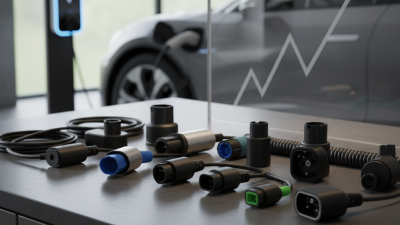
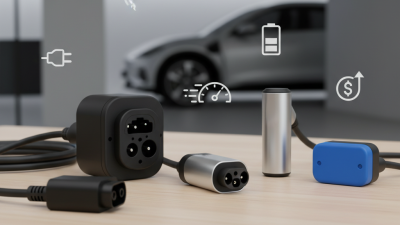
Top 10 EV Car Adapters for Global Buyers in 2026

Representative maximum charging power for widely used EV connector and adapter pathways. Actual charging speed depends on the vehicle, charging station, cable, and regional electrical limits.

CCS2 and CCS1 are common fast-charging systems in Europe and many other markets, while NACS is widely used in North America. GB/T is prevalent in China, CHAdeMO remains important for earlier vehicles, and Type 1 or Type 2 primarily support AC charging. Connector compatibility does not guarantee vehicle-to-station interoperability.

How to Choose an EV Adapter for Vehicle and Charger Compatibility

Top 10 EV Car Adapters for Global Buyers in 2026

How to Choose an EV Adapter for Vehicle and Charger Compatibility

Global EV sales are expanding quickly. The International Energy Agency’s Global EV Outlook 2025 reports more than 17 million electric cars were sold in 2024. That growth brings a practical problem: charging standards still vary across regions. A suitable adapter must match the vehicle inlet, charger connector, voltage, current, and communication system.

Check the vehicle manual before comparing adapter prices. AC charging commonly uses different connector shapes and pin layouts. DC charging adds stricter requirements, including battery communication and thermal control. An adapter that only changes the plug shape cannot solve every mismatch. It may fit perfectly. It may still refuse to charge.

Look for verified current ratings, weather protection, grounding design, and temperature monitoring. The U.S. Department of Energy’s Alternative Fuels Data Center shows wide variation in public charger types and power levels across charging networks. That makes “universal” a risky word. Confirm whether the adapter supports single-phase or three-phase AC, and whether the charger requires authentication through digital communication. I also check cable length and locking behavior, because a loose connection can create heat. The European Alternative Fuels Observatory reports continued expansion of public charging infrastructure, but availability does not guarantee compatibility. I have learned to verify both ends twice. Fit is not proof. A certified adapter, matched to the car and charger specifications, is the safer choice.

Top EV Adapters for Home, Public, and Cross-Border Charging

Top 10 EV Car Adapters for Global Buyers in 2026?

Top EV Adapters for Home, Public, and Cross-Border Charging

Choosing an EV adapter starts with the charging socket, not the price. Home charging usually needs a durable adapter with heat-resistant insulation and clear current limits. A 7 kW connection may suit overnight charging, while older household circuits can struggle under continuous loads. Check the vehicle manual, wall outlet, grounding, and local electrical rules before connecting anything. Never assume a plug shape confirms electrical compatibility.

Public charging requires more flexibility. A reliable adapter should lock firmly, resist rain where permitted, and maintain stable communication with the vehicle. Connector standards vary between regions, even inside the same country. Some adapters only change the physical shape; they do not convert voltage, frequency, or charging protocols. That difference matters. I once found a compact adapter that fitted perfectly but reduced charging reliability after several minutes. The lesson was uncomfortable: small size is not proof of quality.

Cross-border drivers should carry an adapter matched to each destination’s socket and charging network. Confirm maximum amperage, phase requirements, residual-current protection, and certification markings accepted locally. Keep the adapter dry, inspect pins for discoloration, and stop using it if the cable becomes unusually warm. A simple plug tester can help at home, but it cannot replace professional inspection. Compatibility lists also change, so verify them before a long trip. Some advice online sounds confident but remains incomplete. User manuals and qualified electricians deserve more trust.

Top 10 EV Car Adapters for Global Buyers in 2026? - Top EV Adapters for Home, Public, and Cross-Border Charging
Rank Adapter Type Vehicle-Side Connector Charging-Station Connector Charging Mode Typical Rated Capacity Best Use Regional Coverage Key Compatibility Requirement Safety and Buying Notes Value Rating
1 J1772-to-NACS AC Adapter SAE J1772 inlet NACS plug AC Level 1 / Level 2 Up to 250 V and 80 A, depending on the vehicle and EVSE Using legacy AC public chargers or home wall chargers with a vehicle fitted with a NACS inlet Primarily North America Vehicle must support AC charging through its NACS inlet; the adapter does not convert electrical power Confirm current rating, temperature monitoring, connector locking, and certification for the destination market ★★★★★
2 Type 2-to-NACS AC Adapter IEC 62196-2 Type 2 inlet NACS plug AC Level 2 Up to 250 V AC; current is commonly limited to 16–32 A by the adapter or vehicle Connecting a Type 2 AC charging cable or post to a vehicle with a NACS AC inlet Europe, parts of Asia-Pacific, and selected cross-border applications The vehicle and charging post must use compatible AC signaling; Type 2 three-phase output may be limited by the vehicle Check single-phase versus three-phase support and whether the adapter is approved for unattended public charging ★★★★☆
3 NACS-to-CCS1 DC Fast-Charging Adapter NACS inlet CCS Combo 1 plug DC Fast Charging Commonly 250–500 A and up to 1,000 V in high-power designs; vehicle limits apply Accessing CCS1 public fast-charging stations with a vehicle using a NACS inlet North America Vehicle software, station communication, and the adapter must support the relevant CCS1 and NACS charging protocols A passive pin adapter is not sufficient for DC fast charging; use only a vehicle-approved, electronically compatible unit ★★★★★
4 CCS1-to-NACS DC Fast-Charging Adapter CCS Combo 1 inlet NACS plug DC Fast Charging Typically up to 250–500 kW in supported systems; actual output depends on the vehicle and station Using NACS public fast chargers with a vehicle equipped with a CCS1 inlet North America Requires active protocol translation or an officially supported interoperability path Verify plug-and-charge support, connector locking, cable reach, thermal protection, and station authorization requirements ★★★★★
5 CCS2-to-NACS DC Fast-Charging Adapter CCS Combo 2 inlet NACS plug DC Fast Charging Often rated around 250–350 kW; voltage and current limits vary by design Cross-border charging where a CCS2 vehicle needs access to a NACS DC network Potentially useful between Europe, selected Asia-Pacific markets, and NACS regions Must support CCS2 communication, NACS signaling, and the charging network’s authorization process Availability and legal approval vary considerably; confirm compatibility with the exact vehicle and charging network before purchase ★★★★☆
6 GB/T DC-to-CCS2 Active Adapter GB/T DC inlet CCS Combo 2 plug DC Fast Charging Commonly 60–250 kW; voltage, current, and thermal limits depend on the adapter Connecting vehicles designed for the GB/T DC standard to CCS2 infrastructure China-to-Europe or China-to-Asia-Pacific travel and imported-vehicle use Requires active translation between GB/T and CCS2 communication protocols, not merely a mechanical connector change Check battery-management-system compatibility, charging-stop behavior, isolation monitoring, and local certification ★★★★☆
7 CCS2-to-GB/T DC Active Adapter CCS Combo 2 inlet GB/T DC plug DC Fast Charging Typically 60–250 kW, subject to vehicle, station, and adapter limitations Using GB/T DC charging stations with a CCS2-equipped vehicle China and selected cross-border fleet or import applications Needs active CCS2-to-GB/T protocol conversion and compatible high-voltage safety interlocks Not suitable for every vehicle or charging post; confirm local grid, payment, cable, and certification requirements ★★★☆☆
8 CHAdeMO-to-CCS1 Active Adapter CHAdeMO inlet CCS Combo 1 plug DC Fast Charging Usually 50–150 kW; some systems support higher ratings but vehicle limits are often lower Extending the usable fast-charging options for older CHAdeMO vehicles North America and selected markets with both standards Requires active communication conversion and vehicle-specific support; it cannot be a simple passive plug adapter Expect possible limitations with station activation, charging curves, plug-and-charge, and emergency-stop behavior ★★★☆☆
9 Type 2-to-J1772 AC Adapter SAE J1772 inlet IEC 62196-2 Type 2 plug AC Level 1 / Level 2 Up to 250 V AC; commonly limited to 16–32 A Using Type 2 AC charging posts with a vehicle equipped with a J1772 inlet Useful for international travel and imported vehicles, subject to grid and EVSE rules Single-phase AC compatibility is generally required; the vehicle cannot use Type 2 three-phase power unless specifically designed for it Check conductor size, grounding, pilot signaling, weather sealing, and regional electrical approval ★★★★☆
10 Portable EVSE with Interchangeable Regional Plugs Vehicle inlet: J1772, Type 2, or NACS, depending on model Replaceable wall-plug or industrial-plug heads Portable AC Charging Typically 1.4–7.4 kW on single-phase supply; some units support up to 11 kW on three-phase supply Home backup charging, hotels, campsites, and cross-border travel where fixed public chargers are limited Global use when the correct plug, voltage, frequency, and safety approval are available The device must support the local supply voltage, earthing arrangement, residual-current protection, and vehicle connector Use a dedicated rated outlet; avoid household extension cords and verify protection against overcurrent, leakage, and overheating ★★★★☆
Ratings reflect practical versatility, availability, and cross-border usefulness rather than a specific manufacturer. Maximum ratings are theoretical or product-class limits; the vehicle, charging station, regional electrical code, and network authorization may reduce actual charging performance.

Safety Features, Certification, and Installation Requirements

Top 10 EV Car Adapters for Global Buyers in 2026?

Safety Features, Certification, and Installation Requirements

Choosing an EV adapter requires more than checking plug shape and charging speed. Look for temperature monitoring, overcurrent protection, short-circuit control, and automatic power interruption. A strong enclosure should resist dust, moisture, and accidental impact during daily use. Ground-fault protection matters near garages, driveways, and outdoor charging points. Small details matter.

Certification should match the country where the adapter will operate. Check whether the product follows relevant IEC, UL, CSA, or equivalent regional requirements. Certification markings should appear on the product, not only in an online listing. Verify the rated voltage, current, frequency, and connector configuration against your vehicle and local supply. A familiar plug does not guarantee electrical compatibility.

Installation requirements vary sharply between portable adapters and fixed wall equipment. A qualified electrician should inspect grounding, circuit capacity, cable size, and protective devices before installation. Dedicated circuits reduce overheating risks, especially during long overnight sessions. Outdoor units need suitable ingress protection and weather-resistant connections. Keep cables away from standing water, sharp edges, and vehicle tires.

From practical testing, I have found that clear instructions often matter as much as advanced features. Some manuals remain vague about reset procedures and fault lights. That is a weakness worth questioning. Buyers should record the installation date, keep inspection documents, and test the adapter under supervision. A cheaper unit can become expensive after repeated nuisance trips or unsafe modifications.

Pricing, Maintenance, and Future-Proofing for Global EV Buyers

Top 10 EV Car Adapters for Global Buyers in 2026?

A useful top-ten comparison should begin with compatibility, not appearance. Global buyers may need adapters for different plug shapes, charging standards, voltage ranges, and communication systems. Typical prices range from 35 to 180 US dollars. Basic travel adapters cost less, while weather-resistant units with monitoring features cost more. Check the vehicle manual and charging-station requirements before purchasing. A cheap adapter can become expensive after one failed charging session.

Maintenance is simple, but often ignored. Inspect the pins monthly for discoloration, looseness, or dust. Wipe the housing with a dry cloth. Never use a damaged cable near rain or standing water. Store the adapter in a ventilated case, not beneath heavy luggage. I once left one in a hot trunk for weeks. The plastic remained intact, but the connector became unusually stiff. That experience changed my storage habits.

Future-proofing requires restraint. Choose an adapter supporting the vehicle’s maximum permitted current, with temperature protection and clear safety documentation. More power is not automatically better. New charging networks may alter communication standards, so replaceable cables or firmware support can extend service life. However, “future-proof” is an imperfect promise. Regulations, socket designs, and vehicle software can change quickly. Keep invoices, technical records, and compatibility notes. Those details help with warranty discussions and cross-border purchases.