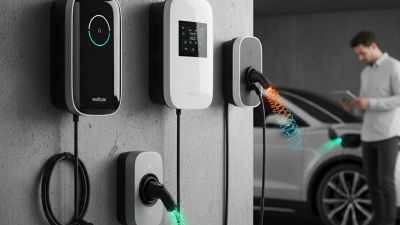
10 Wallbox Home Charging Tips for Buyers
Choosing a home charger is not just a matter of picking a familiar brand. Wallbox Home Charging works best when the unit suits your vehicle, electrical supply, parking space, and daily routine. A charger that looks ideal online may be awkward beside a narrow driveway or too slow for your needs. Small details matter.
This guide covers ten practical checks buyers can make before choosing and installing a home charging station. It looks at charger power, connector compatibility, cable length, installation requirements, weather protection, smart features, and everyday ease of use. It also explains why a qualified electrician should assess the home’s electrical capacity and confirm that the proposed setup is suitable. Check your vehicle’s manual, too; charging limits can vary by model. A good plan can still miss something: the route from the charger to the parked car. That detail is easy to overlook, and changing it later may add cost or inconvenience.
Think about how you actually park, not just where the charger might look neat. Will the cable reach without crossing a walkway? Is the Wi-Fi signal reliable in the garage? Do you need scheduled charging, or would a simpler unit be enough? Not always. Buyers should compare the full cost, including installation, rather than judging by the charger price alone. The right choice is practical, compatible, and suited to the home—not necessarily the most feature-packed option. Some details only become clear after installation, so leave room to reconsider.
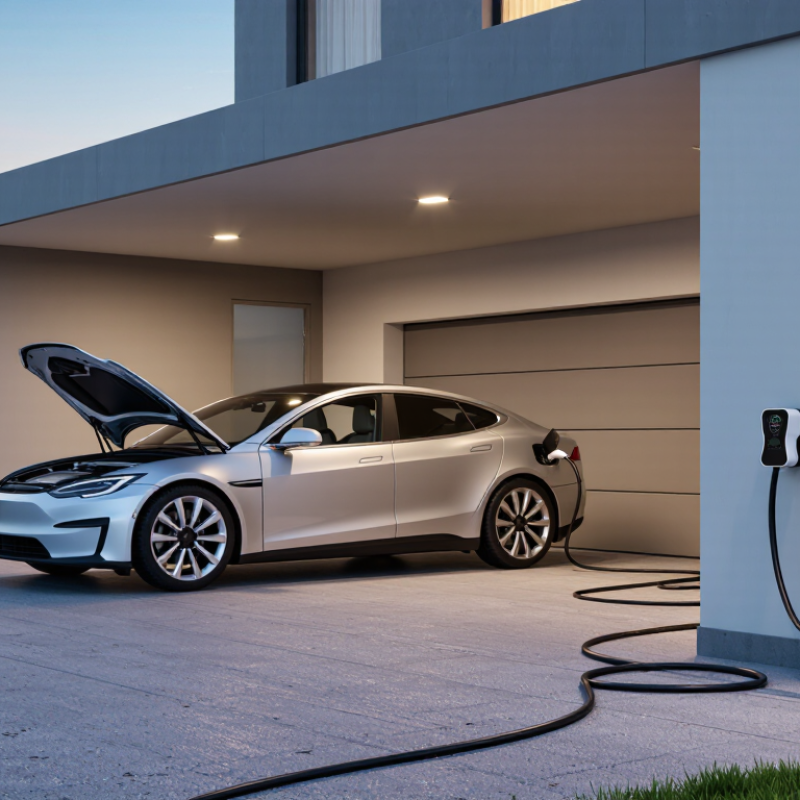
Match the Wallbox Connector and Output to Your EV’s Onboard Charger
Before comparing wallboxes, check your EV’s connector and onboard AC charging limit. The plug must fit the vehicle inlet, and connector types can vary by market and model. Check the owner’s manual or vehicle specifications rather than relying on a sales listing. That detail is easy to miss. A compatible plug is essential, but it does not determine charging speed by itself.
The onboard charger sets the maximum rate for AC charging. For example, if your car accepts up to 7.4 kW, an 11 kW wallbox will not make it charge at 11 kW. The home’s electrical supply and the wallbox’s settings can limit power further. Ask a qualified installer to confirm the available supply and suitable output. More capacity may help with a future vehicle, but it can also add cost without improving today’s charging time.
Tips: Compare the wallbox output with your EV’s stated AC limit, then check connector compatibility. If figures seem confusing, ask the installer to explain the expected charging rate in plain terms. A quick check can prevent an expensive mismatch. I would not choose the highest rating automatically.
Match Wallbox Output to Your EV’s Onboard Charger
Representative AC charging ratings in kW. The vehicle’s onboard charger limits the power it can accept, even when the wallbox can supply more.
Example: an EV with an 11 kW onboard charger will accept up to about 11 kW from a 22 kW wallbox, not the wallbox’s full rated output. Actual charging power also depends on the vehicle, electrical supply, connector compatibility, and charging conditions.
Estimate Level 2 Speed: U.S. DOE Reports 10–20 Miles of Range per Hour
A Level 2 home charger can add about 10–20 miles of driving range per hour, according to the U.S. Department of Energy. Treat that as a planning estimate, not a guarantee. Actual speed depends on the vehicle’s onboard charger, the charger’s power, battery temperature, and how much energy the car needs. Cold evenings can slow charging. So can a nearly full battery. The same setup may feel quick one day and less impressive the next.
For a practical estimate, compare that range with your usual daily driving. A 40-mile commute could take roughly two to four hours to replace, assuming typical conditions. That can leave plenty of time for overnight charging. Check your vehicle manual for its maximum AC charging rate, then make sure the home circuit can support the charger’s output. A qualified electrician can assess the wiring and installation. Don’t size a system from the headline number alone. It’s easy to overestimate, and I would rather plan around the slower end of the range. Also consider where the cable will reach: a few extra feet can matter when the car is parked nose-in.
Verify Circuit Capacity: NEC Requires 125% Sizing for EV Charging Loads
Before buying a home wallbox, check the circuit, not just the panel’s main rating.
EV charging is treated as a continuous load under the NEC. The branch circuit must generally be sized for 125% of the charger’s maximum current. For example, a 40-amp charging load typically needs a 50-amp circuit. That margin is essential.
Ask a licensed electrician to confirm the breaker, wire size, panel capacity, and existing household loads. A large panel can still have limited spare capacity. The charger’s adjustable setting matters, too: a lower charging current may fit an existing circuit, but only when the equipment and circuit are properly configured. Local code adoption and inspection requirements can vary.
Details matter.
Tips:
Find the charger’s maximum amperage on its specification label. Share it with your electrician before installation. Check for space in the panel, but don’t assume an open breaker slot means enough capacity. I’ve seen that assumption cause needless rework. A quick load assessment can prevent it.
Check Installation Needs, Permits, and Outdoor Enclosure Ratings
A home wallbox is not just an appliance; it becomes part of your home’s electrical system. The International Energy Agency’s Global EV Outlook 2024 reports nearly 14 million electric cars were sold worldwide in 2023. That growth makes careful installation planning worthwhile. Ask a licensed electrician to check your panel capacity, cable route, and wallbox circuit requirements before you buy. A long cable run or an older panel may add work and cost. Get the assessment in writing. Details matter.
Tip: Ask your local building department whether permits or inspections are required. Rules vary by location, and a contractor’s assumption is not confirmation. For outdoor mounting, check the unit’s enclosure rating in its installation manual. An IP rating such as IP54 indicates tested protection against dust ingress and water splashes, but it does not mean the unit can be submerged. Also check the maker’s stated temperature range and mounting instructions. Rain, wind-driven grit, and direct afternoon sun can all affect placement.
Compare the proposed location with your daily routine: can the cable reach the vehicle without crossing a walkway or resting in a puddle? Keep the unit clear of likely impact points, such as a garage door track. I would not choose a spot from a product photo alone; the wall surface and cable path can change the job. Ask the electrician to confirm grounding, breaker sizing, and any utility coordination before installation. A tidy quote can still overlook one of these.
Compare Smart Charging, Utility Rates, Rebates, and Warranty Terms
A wallbox purchase should start with your parking routine, electrical panel, and local electricity tariff. The U.S. Department of Energy’s Alternative Fuels Data Center says Level 2 charging typically adds about 10 to 20 miles of range per hour. Check whether that suits your overnight parking window. A higher-rated unit cannot overcome a circuit or panel limitation. Ask an electrician to assess capacity before comparing quotes. Small detail, big difference.
Smart charging can schedule sessions for cheaper off-peak hours, but only if your utility offers a suitable time-of-use plan. The U.S. Energy Information Administration reported an average residential electricity price of 16.0 cents per kilowatt-hour in 2023. That national figure is a benchmark, not your bill. Compare your utility’s actual peak and off-peak rates, then estimate charging costs using your vehicle’s energy use. A neat spreadsheet can still mislead if it ignores monthly fees or peak-hour exceptions.
Rebates may depend on your address, income, equipment certification, installer, or application date. Confirm eligibility before purchase; a promised incentive is not guaranteed savings. Read warranty terms for the charger, cable, parts, labor, and replacement shipping. Also check whether coverage changes when installation does not follow the specified requirements. One easy mistake: focusing on warranty length alone. A long warranty with narrow exclusions may offer less practical protection.