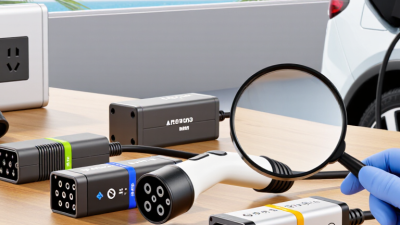
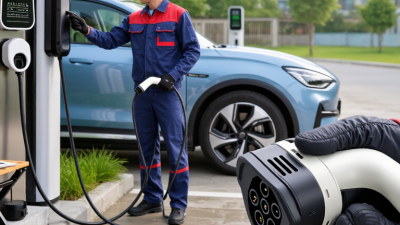
2026 Best EV Adapter Converter for Global Buyers?
Choosing the right Ev Adapter Converter in 2026 requires more than comparing prices or charging speeds. Global buyers face different connector standards, voltage systems, vehicle software, and local safety requirements. An adapter that works perfectly in one garage may fail at another station.
This guide examines practical options for home charging, public networks, and cross-border travel. It considers connector compatibility, maximum current, heat control, weather resistance, certification, warranty support, and manufacturer transparency. A reliable model should identify its supported standards clearly, rather than promising universal compatibility without technical evidence.
Small details matter. A buyer should check the vehicle inlet, charger plug, phase type, amperage, and regional electrical rules before ordering. For example, a 32-amp adapter may need suitable wiring, protection equipment, and installation by a qualified electrician. Portable models also deserve careful inspection after rain, dust exposure, or repeated cable bending.
Real-world testing can reveal issues that product pages hide. Some adapters feel solid but become warm during extended charging. Others fit tightly but lack useful status indicators. That does not automatically make them unsafe, but it deserves attention. Specifications are not the whole story.
This comparison aims to separate dependable products from confusing marketing claims. It uses manufacturer documentation, user experience, technical criteria, and after-sales evidence. However, no single adapter is ideal for every EV or country. Regulations and charging networks can change. Buyers should verify current compatibility before purchase, even when a product appears highly rated. That extra step may feel inconvenient. It can prevent an expensive mistake.
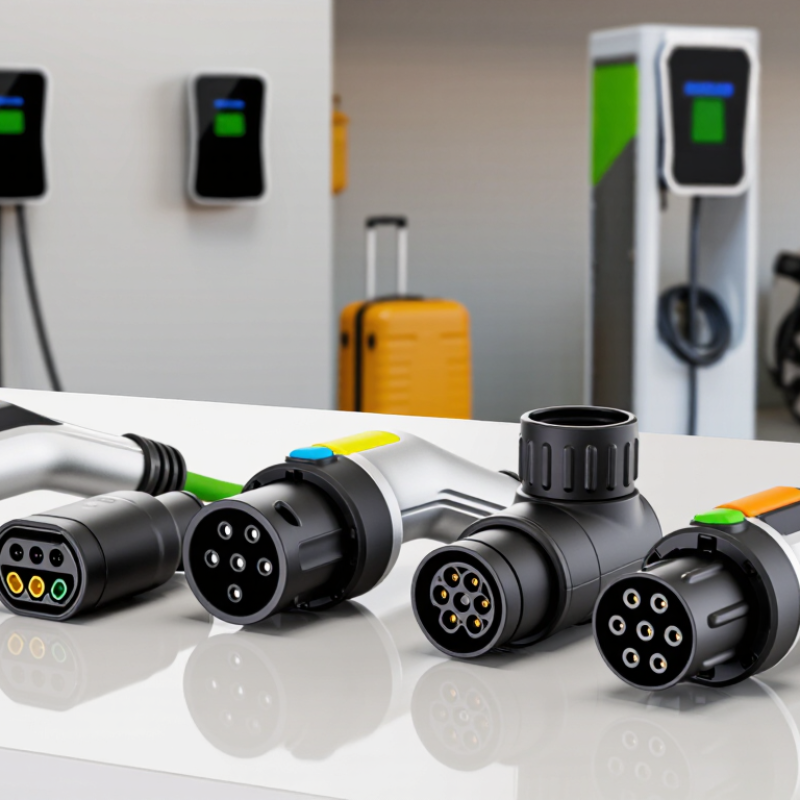
What Is an EV Adapter Converter and Why Does It Matter in 2026?
An EV adapter converter connects a vehicle’s charging inlet with a different plug or charging system. An adapter usually changes the physical connection. A converter may also manage electrical characteristics, such as voltage, current, or communication signals. This difference matters in 2026, as electric vehicles and charging networks continue to expand across borders.
A suitable device must match the vehicle inlet, charger outlet, voltage range, current rating, and charging protocol. Check every specification, not only the plug shape. A connector may fit perfectly and still fail to support charging. Look for temperature monitoring, secure locking, weather resistance, and recognized safety testing. I have found that small details matter: a loose connection can create heat, while a short cable can strain the port.
Global buyers should confirm local electrical requirements and consult a qualified technician when specifications are unclear. Home charging may involve different conditions from public charging. Portable adapters also need careful storage, especially around moisture, dust, and extreme temperatures. Compatibility information is sometimes incomplete or confusing. That is a real weakness in this market. A careful buyer should compare technical documents, inspect return policies, and avoid relying on photographs alone. The safest choice is not always the most powerful one.
How EV Charging Standards Differ Across Global Markets
Choosing the best EV adapter converter in 2026 starts with understanding regional charging standards. A plug that fits may still fail electrically.
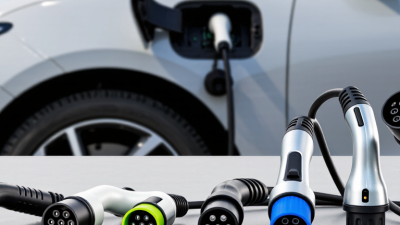
Europe commonly uses Type 2 for AC charging and CCS2 for DC charging. North America mainly uses a different AC shape and CCS1 for rapid charging. China relies heavily on GB/T connectors, while Japan retains strong CHAdeMO coverage. These systems differ in pin layouts, communication protocols, voltage ranges, and safety controls.
The International Energy Agency reported over 14 million electric cars sold globally in 2023.
It also recorded more than 4 million public charging points worldwide by year-end.
More vehicles mean more connector confusion.
A practical adapter should match both the connector and the charging communication system. A passive shape converter may work for slow AC charging, but DC conversion usually needs active electronics, temperature monitoring, and certified isolation. Check the vehicle inlet, destination charger, local grid voltage, and maximum current before buying. At a roadside station, a small mismatch can leave the car connected but not charging. That is frustrating.
IEA data also shows China adding the largest share of global public chargers, while other markets continue expanding mixed networks. This makes “universal” equipment difficult to define. International standards such as ISO 15118 improve communication, yet implementation remains uneven. I still treat compatibility tables as starting points, not final proof. Regional certification, weather resistance, and emergency protection deserve equal attention. An adapter should be tested in real charging conditions, not judged by its housing alone.
Key Features to Compare in an EV Adapter Converter
Choosing an EV adapter converter for global travel requires more than matching plug shapes.
Confirm the vehicle’s charging standard, the adapter’s inlet and outlet types, and the local voltage range.
A physical fit does not guarantee electrical compatibility.
Check whether the unit supports single-phase or three-phase charging when required.
Current capacity is equally important.
An adapter rated below the charger may overheat, while an oversized model cannot improve the vehicle’s charging limit.
Look for clear ratings, temperature monitoring, overload protection, ground-fault protection, and automatic shutoff.
Heat tells a story.
During practical testing, inspect the plug after thirty minutes of charging.
It should feel warm, not painfully hot.
Weather resistance matters for outdoor charging.
A durable enclosure, sealed connections, and strain relief can prevent problems in rain or dusty parking areas.
Cable flexibility is useful in cold climates, although very soft cables may wear sooner.
Details matter.
Also compare data communication support, because some vehicles require signal negotiation before charging begins.
Independent safety testing and documentation from recognized certification bodies add credibility.
A written warranty and responsive technical support are valuable for international buyers, especially when replacement parts are difficult to obtain.
I would still verify local installation requirements before purchase, since product descriptions can omit important regional limits.
Clearance around the connector, storage temperature, and adapter weight may seem minor, yet they affect daily use.
How to Choose the Right Adapter for Your Vehicle and Destination
2026 Best EV Adapter Converter for Global Buyers?
Choosing the right EV adapter starts with the vehicle, not the destination. Check the car’s inlet type, charging speed, voltage range, and onboard charger limits. An AC travel adapter cannot replace a DC fast-charging system. That mistake can waste money or create serious safety risks. The IEA’s Global EV Outlook 2024 reported nearly 14 million electric cars sold worldwide in 2023. Compatibility is no longer a niche concern.
Next, study the destination’s electrical system. Confirm voltage, frequency, plug shape, grounding, and local certification requirements. A vehicle designed for 230-volt charging may need different equipment in a 120-volt location. Also check whether the adapter supports single-phase or three-phase power. IEC 62196 and IEC 61851 provide useful international references for connectors and charging communication. Still, certification markings alone do not prove universal compatibility.
Read the vehicle manual carefully. Then compare it with the destination charger’s specifications. I recommend carrying a compact adapter only when its current rating matches the cable and circuit. Never rely on a cheap plug converter for high-power charging. The U.S. Department of Energy’s Alternative Fuels Data Center notes that charging time depends on power level, vehicle capacity, and equipment limits. Real-world charging is often slower. Weather, shared circuits, and outdated sockets can reduce performance. My checklist is not perfect, but recording the connector, voltage, amperage, and destination before departure prevents most avoidable errors.