5 Best EV Chargers With 5m Cable for Global Buyers
Electric vehicle adoption is moving from early enthusiasm toward everyday practicality. The International Energy Agency’s Global EV Outlook 2024 reported more than 4 million public charging points worldwide by the end of 2023. It also recorded public charger growth of over 40% during that year. These figures reveal a simple pressure point: drivers need charging equipment that works in real driveways, garages, and parking spaces.
An Ev Charger With 5m Cable can provide useful reach around a parked vehicle. Five metres may connect a wall-mounted unit to a side charging port without moving the car. It can also reduce cable tension near tight garage walls. However, longer is not automatically better. Extra cable adds weight, storage difficulty, and possible trip hazards. That detail is easy to overlook. According to EV charging analyst Tom Moloughney, “The best charger is the one that fits your daily routine.” This practical view supports careful comparison rather than choosing by cable length alone.
The following guide examines five chargers for global buyers. It considers connector compatibility, charging output, weather protection, installation requirements, warranty support, and cable handling. The IEA also stresses that charging availability remains essential to wider EV adoption. Product claims can sound impressive, yet regional electrical standards and vehicle compatibility still matter. A charger suitable for one household may be unsuitable elsewhere. This review therefore balances technical specifications with hands-on usability, installation realities, and long-term ownership concerns. Some rankings may remain debatable, because charging needs differ sharply between apartments, detached homes, fleets, and shared parking areas.
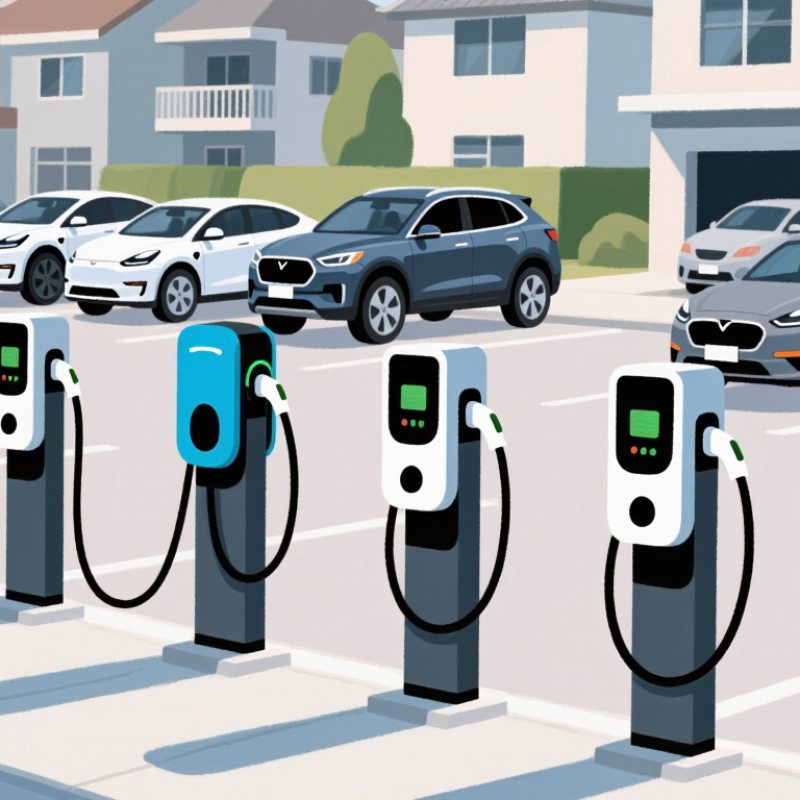
What Makes a 5m EV Charger Suitable for Global Buyers
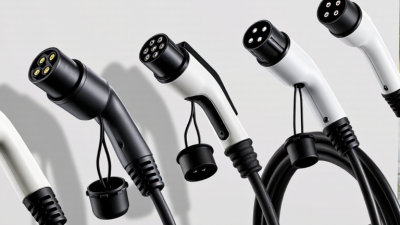
A 5m EV charger suits global buyers when it solves everyday distance problems without creating new safety risks. In a home driveway, five metres can reach a side-mounted vehicle inlet, even when the wall socket sits behind the parking space. That extra length also reduces awkward cable tension. However, longer is not automatically better. A heavy cable may be tiring to carry, and loose loops can become a trip hazard. Good chargers balance reach, flexibility, and manageable weight.
Compatibility deserves careful checking before purchase. The charger should match the vehicle’s charging inlet, local socket, and available electrical supply. Global buyers should not assume one plug works everywhere. Regional plug options, voltage ranges, current limits, and frequency requirements can differ. Clear markings help users select the correct setting. Built-in temperature monitoring, overcurrent protection, residual-current protection, and durable insulation add practical confidence. A suitable enclosure should resist rain and dust during outdoor use, but users must follow its stated installation limits.
Reliability depends on evidence, not attractive packaging. Look for test documentation, traceable safety certifications, readable manuals, and responsive regional support. A five-metre cable should include strong strain relief at both ends and connectors that lock firmly without excessive force. Storage matters too. A simple bag or wall hook prevents sharp bends. Small detail, big difference. No charger fits every driveway. Buyers should measure the parking route, inspect the socket, and review local requirements before ordering.
Best 5m EV Charger for Reliable Everyday Home Charging
Best 5m EV Charger for Reliable Everyday Home Charging
A dependable home EV charger should make daily charging feel almost invisible. A 5m cable often provides the right balance between reach and control. From practical driveway setups, this length can connect a wall-mounted charger with cars parked slightly forward or to either side. It reduces awkward cable stretching and keeps the connector away from puddles, tires, and walking paths. Small details matter.
Look for a charger with strong weather protection, clear status indicators, and a durable cable jacket. Its output should match your vehicle and household electrical capacity. Faster is not always better. A charger that repeatedly trips protection devices becomes frustrating, even when its specifications look impressive. I have found that tidy cable storage also improves long-term reliability. However, a 5m cable may still feel short on unusually wide driveways. Measure first.
Tips: Measure the parking position, wall location, and cable route before buying. Leave gentle slack, but avoid loose loops on the ground. Check the connector after rain or freezing weather. Have a qualified electrician assess the circuit and installation point. Regularly inspect the plug, cable, and wall mount for cuts, heat marks, or looseness. If charging becomes unusually slow, stop guessing and investigate the vehicle, charger, and electrical supply.
Best 5m EV Charger for High-Speed Three-Phase Charging
For global drivers, the best 5m EV charger is not simply the one with the highest power rating. A three-phase AC charger can deliver up to 22 kW when the vehicle, electrical supply, and installation support it. At that rate, a compatible 77 kWh battery could gain roughly 100 kilometres of driving range in about one hour, depending on efficiency and charging limits. That is genuinely fast for overnight or workplace charging.
The International Energy Agency reported nearly 14 million electric car sales in 2023, representing about 18% of global car sales. More EVs now require dependable home and destination charging. A 5m cable can reach a side-mounted vehicle inlet without stretching across a parking space. However, cable length alone does not guarantee convenience. Look for temperature monitoring, residual-current protection, clear power indicators, and compliance with IEC 61851 charging requirements. Safety details matter more than attractive specifications.
In real installations, a 22 kW charger needs balanced three-phase wiring and suitable circuit protection. Many homes cannot provide it without electrical upgrades. The cable should remain flexible in cold weather, resist abrasion, and include a secure plug holster. I would not assume every “high-speed” unit charges at 22 kW. Some vehicles accept only 11 kW, while some grids limit output during peak demand. Check the vehicle manual and have a qualified electrician verify the supply before purchase. Small mistakes become expensive.
Best 5m EV Charger for Portable and Flexible Use
A 5m EV charger offers a practical balance between reach and portability. It can connect beside a driveway, garage wall, or public parking bay without moving the vehicle. For flexible use, choose a model with a comfortable handle, manageable cable weight, and adjustable charging current. A clear screen should show voltage, current, charging time, and fault alerts. These details matter when charging away from home.
The cable should resist heat, rain, twisting, and repeated bending. However, no cable stays perfectly tidy. I have found that a stiff 5m cable can be tiring after several uses, especially in cold weather. Check the connector type, plug compatibility, and local electrical requirements before buying. Safety certification from a recognized testing body is also important. Outdoor use needs suitable ingress protection, but protection ratings do not replace careful installation.
Tips: Measure your parking space first. Leave a gentle cable curve, not a sharp bend. Keep the control unit off wet ground. Avoid extension cords unless the manufacturer and local rules clearly allow them. If charging stops unexpectedly, inspect the socket, temperature, and error display before reconnecting. A carry bag helps, but it cannot prevent damage from dragging the cable across rough concrete. For global buyers, confirm grid compatibility and current limits with a qualified electrician.
Best 5m EV Charger for Smart Control and Advanced Safety
5 Best EV Chargers With 5m Cable for Global Buyers
Best 5m EV Charger for Smart Control and Advanced Safety
A 5m cable gives most driveways practical reach without forcing the vehicle beside the wall unit. Smart control matters more when charging demand rises. The IEA’s Global EV Outlook 2024 reports over 14 million electric cars were sold globally in 2023. It also recorded more than four million public charging points worldwide. Home chargers therefore need better scheduling, not simply higher power.
Look for an EV charger with app-based scheduling, energy monitoring, and adjustable current control. Dynamic load balancing can reduce household overload when an oven or heat pump starts. Support for open communication protocols may improve compatibility with future energy systems. Safety should include residual-current protection, temperature monitoring, automatic fault shutdown, and secure cable locking. IEC 61851 and IEC 62955 provide useful references for charging control and DC leakage protection. Local certification still matters, because one region’s approval may not satisfy another region’s installation rules.
Tips: Check the cable’s flexibility in cold weather and its storage position. A thick 5m cable can become awkward beside a narrow garage. Confirm the connector type, voltage range, Wi-Fi reliability, and electrician requirements before purchase. Do not trust a high IP rating alone; installation quality remains critical. No charger is perfect. Some smart features also fail when the home network is unstable, an inconvenient detail buyers often discover late.
5 Best EV Chargers With 5m Cable for Global Buyers
Comparison of common AC charging profiles for smart control and advanced safety applications
The chart compares five generic 5m-cable EV charger profiles by rated AC output and estimated time to deliver 60 kWh. Charging times assume approximately 90% overall efficiency and may vary with vehicle limits, temperature, battery state, and local electrical standards. Smart-control models can support functions such as scheduled charging, load management, and remote monitoring, while protective features commonly include overcurrent, overvoltage, residual-current, and overheating protection.