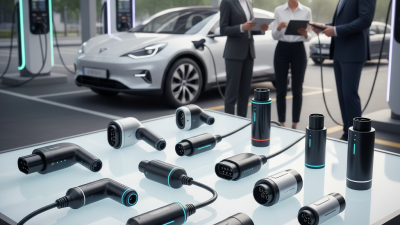
What is the Best EV Connector for Global Sourcing?
Electric vehicles (EVs) are becoming increasingly important in our global efforts to combat climate change. As more consumers shift to EVs, the demand for reliable EV connectors continues to rise. The right EV connector can significantly impact the efficiency and safety of the charging process.
Selecting an EV connector involves navigating various options available worldwide. Different regions may prefer specific connector types, and understanding these preferences is crucial. Factors like charging speed, compatibility, and ease of use can influence decision-making.
Despite the advancements in technology, finding the best EV connector requires thoughtful consideration. Not all connectors are equally efficient or durable. Manufacturers must reflect on their choices, weighing pros and cons carefully. The ultimate goal is to ensure a seamless experience for EV users, making informed decisions more important than ever.
Overview of EV Connectors and Their Importance in Global Sourcing
Electric Vehicle (EV) connectors play a crucial role in global sourcing. They ensure seamless charging compatibility across different regions. Various connector types, such as Type 1 and Type 2, have emerged due to differing regional standards. The need for a universal solution is pressing. Many manufacturers grapple with compatibility issues.
In global sourcing, selecting the right connector impacts supply chain efficiency. Mismatched connectors can lead to delays and customer dissatisfaction. Furthermore, as EV adoption increases, the demand for interoperable solutions rises. Understanding regional differences is essential for sourcing professionals.
Observing the market patterns, some connectors gain popularity rapidly, while others fade away. This unpredictability challenges sourcing strategies. Companies must stay informed. Regularly assessing connector advancements and regional compliance can mitigate risks. It’s vital to engage with experts in the field to ensure informed decisions.
Types of EV Connectors: AC vs. DC Charging Options
Electric Vehicles (EVs) are transforming the automotive landscape. Understanding charging options is critical for users. Two primary types of EV connectors exist: AC and DC.
AC charging is more common. It typically uses the Type 2 connector in Europe and the J1772 in North America. AC chargers are slower but are ample for residential use. According to a recent industry report, about 78% of EV owners charge at home, making AC options favorable.
DC charging, on the other hand, is used for fast charging stations. These connectors like CHAdeMO and CCS allow rapid charging of EV batteries. Reports highlight that DC charging stations can charge an EV to 80% in under 30 minutes. This is essential for long-distance travel.
Tips: Consider installing a Level 2 AC charger at home for convenience. For road trips, locate nearby DC fast chargers on your route. Always check the connector type of your vehicle to ensure compatibility.
While AC and DC options cater to varying needs, the challenge remains in standardization. Different regions have different connector types, which can cause confusion. Ongoing discussions in the industry emphasize the need to harmonize connectors for a seamless EV experience.
Key Factors to Consider When Selecting EV Connectors for Global Markets
When considering EV connectors for global markets, several key factors must be evaluated. Compatibility is crucial; different regions often employ various standards. For instance, Europe commonly uses Type 2 connectors, while North America leans towards the J1772 standard. Failing to recognize these differences can lead to inefficiencies and compatibility issues.
Another significant factor is the charging speed. According to a recent study by the International Energy Agency (IEA), connectors that support faster charging are becoming increasingly popular. Many consumers expect to recharge their vehicles in under an hour. Therefore, selecting connectors that facilitate higher charging power ratings, such as CCS or CHAdeMO, can significantly enhance user experience.
Tips: Always consider the reliability of the connectors. Researching user reviews and expert recommendations can provide insight into the long-term performance of different connector types. It is also wise to stay informed about emerging technologies and trends in the EV connector market.
Flexibility is essential too. As demand for EVs rises, new standards may emerge. It's beneficial to invest in connectors that can adapt to future advancements. Balancing current needs and future-proofing is a complex yet necessary task. Remember, an EV connector should not only meet today’s requirements but also be capable of evolving with the market.
Regional Standards and Regulations Affecting EV Connector Choices
When considering the best EV connector for global sourcing, understanding regional standards is crucial. Different regions adopt varying specifications and safety regulations. For instance, Europe has stringent safety standards, while North America may prioritize compatibility with existing infrastructure. This can lead to challenges in sourcing connectors that meet all necessary requirements.
Tips: Always check local regulations before making decisions. This helps avoid costly compliance issues down the line.
Regional market trends also influence connector choices. In some areas, there is a push for faster charging solutions. This necessitates connectors that can handle higher voltage and current levels. In contrast, regions with less EV penetration may focus on basic models that comply with fundamental requirements.
Tips: Stay updated on market developments. Sign up for industry newsletters to keep track of evolving regulations.
Compatibility is another key player. Some regions may require connectors to be backward compatible with older electric vehicle models. This creates a complex landscape for manufacturers. Balancing innovation with established designs can be challenging, but necessary for broad adoption.
Tips: Consider investing in research to understand local preferences. Tailoring products to meet these needs can enhance market acceptance.
What is the Best EV Connector for Global Sourcing? - Regional Standards and Regulations Affecting EV Connector Choices
| Region |
EV Connector Type |
Max Power (kW) |
Standard Compliance |
Common Use Cases |
| North America |
SAE J1772 |
19.2 |
UL, SAE |
Residential and Public Charging |
| Europe |
Type 2 (Mennekes) |
43 |
IEC 62196 |
Public Charging Stations |
| China |
GB/T |
120 |
GB/T 18487 |
Fast Charging Stations |
| Japan |
CHAdeMO |
62.5 |
IEC 61851 |
Public Fast Charging |
| Global |
CCS (Combined Charging System) |
350 |
IEC 62196-3 |
Ultra-Fast Charging |
Future Trends in EV Connector Development and Global Adoption
The rapid growth of electric vehicles (EVs) is fueling innovations in connector technology. As the global demand for EVs increases, so does the need for efficient and reliable charging solutions. Future trends indicate a shift towards universal connectors that can cater to various vehicle models and regional standards. This adaptability will enhance user experience and drive the adoption of EVs worldwide.
Emerging trends point to advancements such as wireless charging and ultra-fast connectors. These technologies may redefine how we think about EV charging. However, challenges remain. For instance, not all regions will adopt these innovations at the same pace. Infrastructure development is also critical. Some areas lack the necessary support to integrate new charging technologies effectively.
Collaboration among manufacturers, governments, and stakeholders will be vital. Establishing common standards will promote interoperability and foster consumer confidence. As this transition unfolds, ongoing dialogue and assessments will ensure that the best practices are highlighted and issues addressed, paving the way for a sustainable future in EV connectivity.