How to Choose the Best Portable Home EV Charger for Your Electric Vehicle?
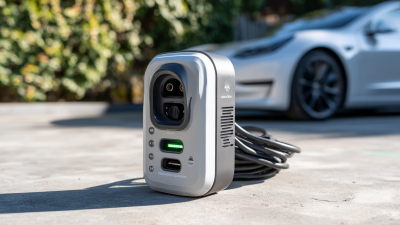
As the electric vehicle (EV) market expands, the demand for convenient charging solutions rises. The portable home EV charger has become increasingly popular among EV owners. Reports indicate that nearly 80% of EV charging occurs at home, highlighting the need for reliable and effective home charging options. With various models available, selecting the right portable home EV charger is crucial for efficiency and safety.
Different chargers offer distinct features, from charging speed to compatibility with various EV models. According to industry specialists, the average charging time for a home EV charger can range from 4 to 12 hours, depending on the charger’s power output. Users often overlook the importance of selecting a charger that balances power and portability. The right choice can significantly impact daily driving convenience.
While many users experience satisfaction with their chargers, some face challenges regarding installation and charging speeds. It's essential to consider your unique needs and consult with experts to ensure optimal performance. In this evolving landscape, understanding the nuances of portable charging options will guide you toward making an informed decision that enhances your EV experience.
Understanding EV Charger Types: Level 1 vs. Level 2 Charging Options
When choosing a portable home EV charger, understanding charger types is crucial. Level 1 and Level 2 options cater to different needs. Level 1 chargers are standard 120V outlets. They offer about 4 to 5 miles of range per hour, making them suitable for overnight charging. A study from the U.S. Department of Energy indicates that this method is adequate for drivers with shorter commutes.
In contrast, Level 2 chargers operate on 240V circuits. They provide a charging rate of up to 25 miles of range per hour. This makes them the preferred choice for owners who drive longer distances daily. However, installation can be costlier and require a professional electrician. According to the Electric Power Research Institute, about 70% of EV owners prefer Level 2 chargers for home use. Despite their benefits, not everyone has the electrical capacity at home.
Owners must also consider local regulations and existing infrastructure. Rural and urban areas may have different support for each level. Potential buyers should reflect on their daily driving habits and home energy use. This thought process leads to a more informed decision regarding which type of charger best fits their lifestyle.
Evaluating Charging Speed: How Amp Ratings Impact Efficiency
When selecting a portable home EV charger, evaluating the amp ratings is crucial for efficiency. Amp ratings determine the charging speed your electric vehicle will experience. A charger with higher amp capacity can deliver more power, allowing you to charge your vehicle faster. For example, a 40-amp charger can fully charge a typical EV overnight, while a lower amp rating may require longer charging times.
Consider the charging capability of your vehicle when choosing a charger. Not all vehicles can handle high amp ratings. This mismatch could lead to a less efficient charging process. Keep in mind that a higher amp charger may not always be necessary. It can be a waste of resources if your vehicle doesn’t support it.
Tips: Always check your vehicle’s specifications. Look for chargers with adjustable amp settings. This feature lets you optimize charging based on your needs. Also, think about local power grid conditions. They may affect charging speed. Reflecting on these details can help ensure you make a well-informed decision.
Safety Features: Important Considerations for Home EV Chargers
When selecting a portable home EV charger, safety features are crucial. Look for chargers with built-in protection systems. Overcurrent protection prevents overheating. Ground fault protection ensures that faults will not create hazards. Furthermore, surge protection is essential to guard against power spikes.
Charging in wet or outdoor environments raises risks. Opt for chargers with weatherproof ratings. An IP rating of at least IP65 indicates good protection against dust and water. Check for certifications from safety organizations. These labels ensure that the product meets high safety standards.
User-friendly design also plays a role in safety. A clear, simple interface allows even non-technical users to charge their vehicle safely. The length of the cable matters, too. A longer cable reduces the need for dangerous extensions or reaching into the street. Prioritize features that enhance peace of mind while charging your electric vehicle at home.
Assessing Portability: Key Factors for a Convenient Charging Experience
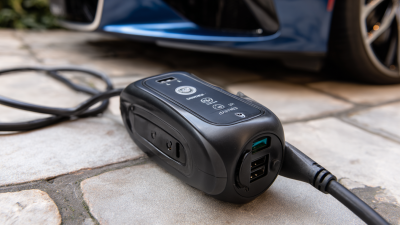
When choosing a portable home EV charger, several key factors determine its portability. First, consider its weight and size. A lightweight, compact charger can easily fit in your vehicle's trunk. This factor is crucial if you intend to travel frequently. A longer charging cable also enhances convenience. It allows you to park farther from the outlet, ensuring flexibility in various locations.
Tips: Look for chargers with a carrying case. This adds protection and makes it easier to transport. Verify that the cable length suits your parking habits. A standard length may not work for every scenario.
Another aspect is charging speed. While portability is important, the charger must also be efficient. A slower charger can be frustrating during road trips. Aim for a balance between size and charging capacity. If a charger is too bulky, it may not be practical. Sometimes, a multiple-use charger can solve this dilemma by supporting various power sources.
Tips: Research charging speeds and compatibility before purchasing. Read user reviews to gauge real-world performance. Reflect on how often you will use the charger. Will it sit idle, or will you rely on it daily?
Compatibility Check: Ensuring Your Charger Matches Your EV Model
When selecting a portable home EV charger, compatibility is crucial. Your electric vehicle (EV) model dictates what type of charger will work best. According to a report from the International Energy Agency, more than 50% of the world's EVs currently rely on specific charging connectors. Identifying whether your EV uses a Type 1 or Type 2 connector is essential. Using an incompatible charger can lead to issues, such as inefficient charging or, worse, damage to your battery.
Before purchasing, check your EV specifications. Many manufacturers provide detailed information about compatible chargers. It’s important to follow these recommendations closely. Not all EVs charge at the same rate. Some may handle fast charging well, while others are best with standard options. This balance can affect your ownership experience significantly.
Tips: Always read user reviews about compatibility. Look for discussions on forums specific to your vehicle type. Observing real-world feedback can unveil important details. Additionally, ensure the charger meets safety standards. Look for certifications that guarantee its reliability. Remember, investing time in research can save you from future headaches.
How to Choose the Best Portable Home EV Charger for Your Electric Vehicle? - Compatibility Check: Ensuring Your Charger Matches Your EV Model
| EV Model |
Charger Compatibility |
Charging Speed (kW) |
Port Type |
Max Current (A) |
| Model A |
Compatible |
7.2 |
Type 1 |
32 |
| Model B |
Partially Compatible |
11.0 |
Type 2 |
16 |
| Model C |
Compatible |
22.0 |
Type 2 |
32 |
| Model D |
Not Compatible |
N/A |
N/A |
N/A |
| Model E |
Compatible |
3.7 |
Type 1 |
16 |