China Top EV Charger Plug Manufacturers How to Choose?
Choosing among China’s top EV charger plug manufacturers requires more than comparing catalog prices. A reliable Ev Charger Plug must perform safely under repeated charging, outdoor exposure, vibration, and temperature changes. The right supplier should explain its design choices clearly, not hide behind broad marketing claims.
Look closely at the connector housing, contact materials, cable strain relief, sealing structure, and locking mechanism. Ask for test reports, production records, and certification details that match your target market. In practice, experienced buyers also inspect factory quality systems, sample consistency, mold maintenance, and final inspection procedures. A clean workshop helps, but it proves little by itself. Traceability matters more.
Fit and charging performance matter. So does user handling.
Manufacturers should verify current ratings, thermal behavior, insertion cycles, insulation strength, and protection against dust and water. They should also confirm compatibility with the intended charging equipment, vehicle interface, cable length, and installation environment. A capable supplier will discuss risks before receiving an order. That conversation can reveal more than a polished brochure.
No supplier is perfect. That is worth remembering.
Samples may pass while later batches become inconsistent, especially after design changes or material substitutions. Buyers should define approval samples, inspection points, packaging requirements, warranty terms, and corrective-action procedures in writing. Factory audits and independent testing can add useful confidence, though neither replaces careful technical review. This guide examines how to compare China-based manufacturers with practical evidence, realistic questions, and attention to long-term reliability. The best Ev Charger Plug is not simply the cheapest option; it is the one that remains safe, compatible, and supportable throughout its working life.
What Are EV Charger Plugs and Why Do Manufacturers Matter?
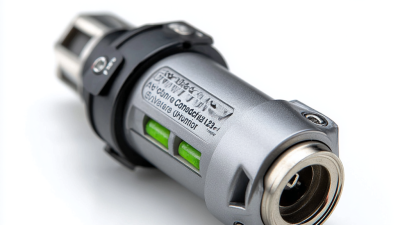
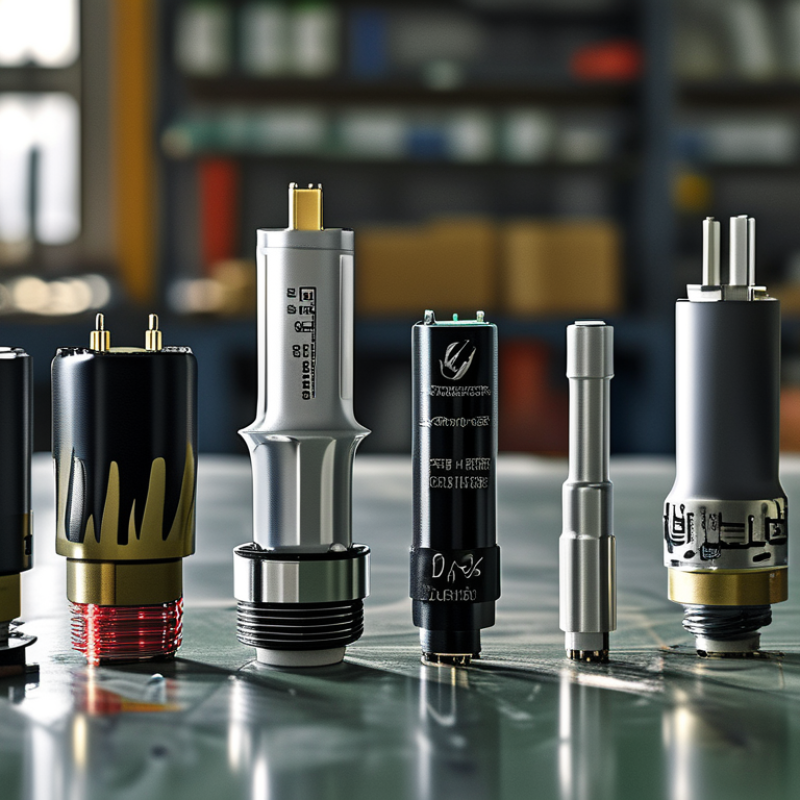
An EV charger plug is the physical connector linking a vehicle with charging equipment. It transfers electricity and communication signals through carefully arranged pins. Its housing, seals, contacts, and locking mechanism must work together. It is not just a cable end.
During daily use, a plug may face rain, dust, heat, and repeated bending. A reliable design keeps contact resistance low and limits overheating. Small flaws often appear at the handle first: loose locks, rough edges, or dark marks near the contacts. These details deserve attention during inspection.
Manufacturers matter because quality depends on materials, tooling, testing, and process control. Responsible suppliers record conductor materials, insulation grades, sealing performance, and temperature limits. They test insertion cycles, water resistance, current stability, and heat behavior. Traceability matters, too. A batch code should connect each plug with production records. When evaluating Chinese EV charger plug manufacturers, check whether samples match production units. Request test reports, dimensional drawings, and compatibility data. Inspect the strain relief, latch strength, and contact plating. Polished packaging proves little. A low price may hide faster wear or inconsistent assembly, but a high price does not guarantee better performance. I would compare field feedback with laboratory results, not trust either source alone. No checklist is perfect. A plug that performs well indoors may struggle beside a humid roadside charger. Ask how it performs after repeated use, not only when it looks new.
China Top EV Charger Plug Manufacturers: How to Choose?
Typical Maximum Rated Power by EV Charger Plug Type
EV charger plugs are standardized connectors that transfer electrical energy between charging equipment and electric vehicles. Their design affects charging speed, compatibility, safety, durability, and installation cost. The chart compares commonly cited maximum rated power levels for major connector families; actual charging performance depends on the vehicle, charger, electrical supply, cable, and local regulations.
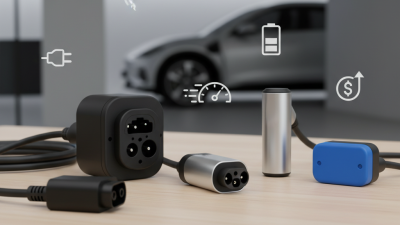
Type 1 and Type 2 are primarily used for AC charging, while CCS and CHAdeMO extend the connector design for DC fast charging. When evaluating plug manufacturers, buyers should verify compliance with applicable standards, rated current and voltage, temperature resistance, ingress protection, locking performance, contact reliability, cable flexibility, and certification requirements.
Which Technical Standards Should China EV Charger Plugs Meet?
When selecting China EV charger plug manufacturers, technical compliance should guide every decision. A suitable plug must meet GB/T 20234.2 for AC charging or GB/T 20234.3 for DC charging. These standards define connector dimensions, contact arrangements, locking structures, and basic safety requirements. The complete charging system should also align with GB/T 18487.1. For charger-to-vehicle communication, manufacturers commonly follow GB/T 27930.
Look beyond the connector shape. During practical inspections, engineers should check insulation resistance, dielectric strength, contact temperature, and protection against accidental touching. Mechanical endurance matters too. Test the plug after repeated insertion, removal, cable bending, and locking operations. The housing should provide suitable protection against dust, water, impact, and ultraviolet exposure. Exact IP and environmental ratings must match the installation site, not merely appear on a datasheet.
For overseas projects, IEC 62196 and IEC 61851 may also be required. However, international compliance does not automatically replace Chinese GB/T requirements. Ask for current test reports, traceable laboratory records, material specifications, and production quality controls. Verify whether applicable certification and market-access obligations cover the complete product. No checklist is perfect. A supplier may pass laboratory tests yet show weak batch consistency. Sample several production units, compare terminal heating, and inspect dimensional tolerance. Small deviations can cause poor contact, overheating, or difficult vehicle connection. That risk deserves attention.
What Quality, Safety, and Customization Factors Should Buyers Check?
Choosing a top EV charger plug manufacturer requires more than comparing prices. Buyers should inspect material quality, production controls, and test evidence. Look for heat-resistant housing, durable copper contacts, flexible cable jackets, and consistent molding. Ask for batch traceability, not only a polished sample.
Safety needs practical verification. Request reports for electrical insulation, contact heating, mechanical endurance, water resistance, and temperature cycling. Check whether testing matches your target market and charger configuration. Confirm protection against loose connections and abnormal temperature rises. A high IP rating helps, but it cannot replace proper installation and maintenance. Compatibility matters too; dimensions, pin layout, current rating, and communication features must match the charging system.
Tips: Ask for independent laboratory records and recent production samples. Test several units, not one. Compare contact resistance before and after repeated insertion cycles. Inspect seals under bright light. Small defects can become expensive failures. Customization should include more than colors or logos. Discuss cable length, connector shape, locking structure, labeling, packaging, and strain relief. Require approved drawings before mass production. One overlooked tolerance can prevent smooth mating. Buyers should also examine warranty terms, replacement procedures, and response times. A supplier may promise fast customization, yet unclear change control can create inconsistent batches. That deserves a second review.
How to Compare Prices, Certifications, and Supplier Support?
Choosing a top EV charger plug manufacturer requires more than checking the lowest quote. Price comparisons should use the same specification. List connector type, current rating, cable length, housing material, and order quantity. A cheaper unit may exclude testing, packaging, or replacement parts. Ask for a landed-cost sheet. Include tooling, freight, taxes, and warranty handling. That simple step often changes the ranking.
Certification evidence deserves careful inspection. Request current certificates, test reports, and the exact model numbers covered. Check whether the documents match your sales region and electrical system. Common references may include IEC 62196, IEC 61851, CE, UL, or RoHS, depending on the market. A logo alone proves little. Confirm the issuing laboratory, validity period, factory address, and critical component list. Requirements can change, so local approval should be verified by a qualified professional.
Supplier support is easier to judge through practical tests. Send the same technical questions to each candidate. Measure response time, answer accuracy, sample lead time, and willingness to share drawings. Ask how failures are analyzed. Strong suppliers provide traceability, spare-part plans, installation guidance, and a clear warranty process. Still, support promises are not performance data. Request references or a pilot order before scaling. I would not ignore small communication gaps; they often become expensive after shipment.
China Top EV Charger Plug Manufacturers How to Choose? - How to Compare Prices, Certifications, and Supplier Support?
| Product Category |
Typical Electrical Rating |
Indicative Bulk Price* (USD/Unit) |
Common Standards and Certifications |
Typical MOQ |
Typical Lead Time |
Supplier Support to Compare |
Best Use Case |
| AC Type 2 Plug |
Single-phase, 16–32 A; up to 7.4 kW |
$3.50–$10.00 |
IEC 62196-2; RoHS; REACH; optional CE documentation |
100–500 units |
15–30 days |
Dimensional drawings, pin-temperature data, sample approval, packaging options |
Residential and workplace AC charging in markets using the Type 2 interface |
| AC Type 2 Cable Assembly |
Single- or three-phase, 16–32 A; up to 22 kW |
$35–$90 |
IEC 62196-2; IEC 61851 interface requirements; RoHS; REACH |
50–300 units |
20–35 days |
Cable cross-section options, IP rating evidence, bending tests, continuity and insulation reports |
Portable charging, fleet depots, wall-mounted AC chargers |
| AC J1772-Compatible Plug |
Single-phase, 16–32 A; commonly 3.6–7.7 kW |
$4.00–$12.00 |
SAE J1772; UL 2251 or applicable North American certification pathway; RoHS |
100–500 units |
20–40 days |
North American compliance guidance, latch testing, terminal-plating options, traceability |
AC charging equipment intended for North American vehicle interfaces |
| GB/T AC Plug |
Single-phase, commonly 16–32 A; up to 7 kW |
$3.00–$9.00 |
GB/T 20234.2; applicable Chinese product testing; RoHS where required by destination market |
100–500 units |
15–30 days |
Domestic-standard documentation, mold modification support, plug-to-cable compatibility checks |
Vehicles and charging systems using the Chinese AC charging interface |
| CCS DC Charging Plug |
Typically 80–200 A for common assemblies; voltage depends on design |
$90–$260 |
IEC 62196-3 or applicable regional equivalent; IEC 61851; CE or regional certification; UL requirements where applicable |
20–100 units |
30–60 days |
High-current thermal testing, cooling options, insulation monitoring compatibility, test reports |
DC fast-charging stations and commercial fleet infrastructure |
| GB/T DC Charging Plug |
Typically 80–250 A; voltage and power depend on the charger system |
$80–$240 |
GB/T 20234.3; applicable Chinese safety and performance testing; RoHS where required |
20–100 units |
30–60 days |
Current and temperature validation, connector locking checks, replacement-part availability |
DC fast-charging systems designed for the Chinese charging standard |
| J3400-Compatible DC Plug |
AC and DC use; current rating varies by construction and cooling method |
$70–$220 |
SAE J3400; applicable North American safety certification; UL 2251 or other recognized evaluation where required |
20–100 units |
30–60 days |
North American documentation, mechanical-cycle testing, temperature-rise data, field-replacement support |
Charging equipment designed for the SAE J3400 interface |
| Liquid-Cooled High-Power Plug |
Commonly above 200 A; final rating depends on cable, coolant, and system design |
$220–$650 |
Applicable IEC, SAE, or GB/T standard; CE, UL, or other market-specific certification as required |
10–50 units |
45–90 days |
Coolant compatibility, leak testing, service manuals, spare parts, on-site commissioning assistance |
High-power public charging and heavy-duty commercial vehicles |
How to Compare Suppliers:
Confirm that the quoted price includes the connector, cable, terminals, strain relief, protective cap, testing, packaging, and required documentation. Verify the exact certification scope for the finished assembly rather than accepting a certificate for an unrelated component. Request samples, electrical test reports, dimensional drawings, warranty terms, replacement-part availability, response time, and after-sales procedures before placing a bulk order.
*Indicative bulk ex-works price ranges for standard configurations. Actual prices vary according to current rating, cable length, conductor size, cooling method, materials, customization, testing, certification, order volume, shipping terms, and destination-market requirements.