Best EV Home Chargers for Efficient Charging Solutions?
As electric vehicles (EVs) grow in popularity, the need for efficient EV home chargers becomes increasingly critical. According to the International Energy Agency, global EV sales reached 6.6 million in 2021, marking a 108% increase from the previous year. This surge indicates that more drivers are shifting to electric, creating a higher demand for reliable charging solutions at home.
EV home chargers represent a key aspect of this transition. Installing a home charging station can cut down charging costs significantly. Estimates suggest that charging an EV at home can cost about half as much as fueling a gasoline vehicle. However, not all chargers are created equal. Selecting the right EV home charger requires knowledge and careful consideration of various factors, including charging speed and compatibility with different vehicle models.
Despite advancements in technology, many consumers remain uninformed about the various options available. This gap can lead to suboptimal choices. It’s crucial to understand the infrastructure requirements, as installing a level 2 charger may require electrical upgrades. Choosing the right EV home charger can maximize efficiency and convenience, enhancing the overall EV experience for users.
Understanding the Importance of Home EV Chargers in the Charging Network
Home EV chargers are pivotal in the growth of the electric vehicle ecosystem. As more people adopt EVs, efficient charging solutions become imperative. Recent data shows that residential chargers account for nearly 80% of EV charging. This highlights their role in bolstering the electric vehicle infrastructure.
Understanding how home chargers function is critical. A Level 2 home charger can fully charge an EV in 4 to 8 hours. This is much faster than standard home outlets that take overnight or longer. Studies suggest that homeowners who install EV chargers increase their property value by approximately 4%. This fact emphasizes the dual benefits of convenience and investment.
However, challenges persist in charger accessibility. Not all homes possess adequate electrical systems to support high-capacity chargers. Additionally, some regions lack incentives for home charger installation. Addressing these points is essential for the widespread adoption of home EV charging stations. The future hinges on collaborative efforts to enhance technology and infrastructure.
Types of EV Home Chargers: Level 1 vs Level 2 Explained
When it comes to home charging solutions for electric vehicles (EVs), understanding the differences between Level 1 and Level 2 chargers is essential. Level 1 chargers use a standard 120V outlet, offering the convenience of simply plugging in. However, this method provides a slow charging speed, typically adding about 3-5 miles of range per hour. For many, this may be insufficient, especially for daily commuters. According to the U.S. Department of Energy, most EV owners opt for a quicker solution.
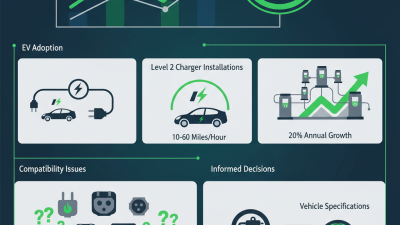
Level 2 chargers operate at 240V and significantly reduce charging time. They can deliver between 10 to 60 miles of range per hour, depending on the EV model and charger specifications. A study by the Electric Power Research Institute suggests that Level 2 chargers are becoming the preferred choice for home installations. While the initial installation cost is higher, the long-term efficiency can justify the expense. However, not all homes can accommodate a Level 2 charger due to electrical capacity concerns. Homeowners should assess their existing infrastructure.
Choosing the right charger goes beyond just speed. Consideration of installation costs, space availability, and electrical requirements is crucial. Some users may find their electrical panel requires upgrades, adding unexpected expenses. As the electric vehicle market continues to grow, more efficient yet accessible charging solutions will likely emerge. Exploration of these options requires careful planning and informed decision-making.
Best EV Home Chargers for Efficient Charging Solutions
| Charger Type |
Charging Speed |
Voltage |
Typical Use |
Installation Requirements |
| Level 1 Charger |
4-5 miles per hour |
120V |
Home charging for low daily driving |
Standard outlet, minimal installation |
| Level 2 Charger |
10-60 miles per hour |
240V |
Faster home charging for frequent use |
Requires dedicated circuit installation |
| Portable Chargers |
Varies |
Varies |
Convenience for on-the-go charging |
No installation, just plug in |
| Smart Chargers |
10-60 miles per hour |
240V |
Optimizes charging times and costs |
Requires dedicated circuit installation |
Key Features to Consider When Choosing an EV Home Charger
When selecting an EV home charger, it's crucial to understand a few key features. First, charging speed matters. Level 2 chargers typically deliver around 240 volts and can recharge most EVs in 4 to 8 hours. According to a recent report by the Department of Energy, an average home installation can add anywhere from 25 to 30 miles of range per hour. This can significantly reduce downtime for busy drivers.
Another important factor is compatibility. Not all chargers fit every EV model. Research suggests that ensuring your charger is suitable for your vehicle is vital. Additionally, consider smart features. Many modern chargers connect to Wi-Fi and offer real-time data on charging status. This data can help users optimize their energy use, which is particularly important in optimizing cost and efficiency.
Installation complexity and cost also warrant reflection. While some homeowners might want to tackle the installation themselves, it's often recommended to hire a certified electrician. The average cost of professional installation can range from $300 to $1,200, depending on specific requirements. Ultimately, understanding these aspects can lead to better long-term satisfaction with your EV charging solution.
Best EV Home Chargers for Efficient Charging Solutions
Top Recommended Brands for Efficient EV Home Charging Solutions
When considering the best home chargers for electric vehicles (EVs), several reputable brands stand out. They offer efficient solutions to fit various needs. Look for chargers that provide adjustable power levels, allowing users to customize charging speeds based on their vehicles. Brands with strong customer service and warranty options are also ideal; they show a commitment to reliability and customer satisfaction.
One effective strategy is to choose a charger compatible with multiple vehicle types. This choice ensures flexibility for households that may expand their electric fleet in the future. Researching user reviews can also clarify performance and durability. Many users appreciate chargers with features like Wi-Fi connectivity for better management.
Do not overlook the significance of installation. A professional installation can prevent potential hazards. Users can reflect on their power supply capacity and home layout before installation. This can prevent complications down the road. Investing time in comparing options will lead to a more informed decision, enhancing your overall EV experience.
Installation Guidelines and Costs for Home EV Charging Stations
Installing a home EV charging station provides numerous benefits. However, there are essential guidelines to follow for a successful setup. First, consider your electrical system. An upgrade may be necessary to handle the increased load. Check the amperage and voltage of your home. Inadequate supply can lead to inefficiencies or hazards.
Next, choose the location wisely. The charger should be easily accessible for your vehicle and not obstruct other areas. Ambient temperature and potential weather exposure play a role too. For optimal performance, select a sheltered spot. Ensure compliance with local codes and regulations, as these can vary significantly.
Cost is another important aspect. Charging station prices range widely, depending on technology and features. Installation can add $500 to $3,000 to the total cost. Hidden costs may emerge, such as electrical upgrades or permits. Accurate upfront budgeting is crucial. Many homeowners overlook the need for professional installation. DIY can lead to mistakes, and safety should always come first. Assess the potential quality of work versus cost. It's worth investing in professional expertise for a reliable and safe solution.