Leave Your Message

How to Choose a DC Charger EV Adapter in 2026

Choosing a Dc Charger Ev Adapter in 2026 is not just a connector decision. It can determine whether a fast-charging stop works smoothly or ends with a cold, inactive plug. The International Energy Agency’s Global EV Outlook 2024 reported more than four million public charging points worldwide in 2023. Public fast-charger numbers grew by 55% that year. More chargers mean more options, but they do not guarantee compatibility.

IEA Executive Director Fatih Birol described the wider shift this way: “The growth in electric cars is unstoppable.” That momentum makes careful adapter selection more important. Check your vehicle’s charging standard, the station’s connector, and the adapter’s rated voltage and current. Confirm that its communication and safety features suit both the vehicle and charger. A connector that physically fits may still fail to deliver a charge. Details matter.

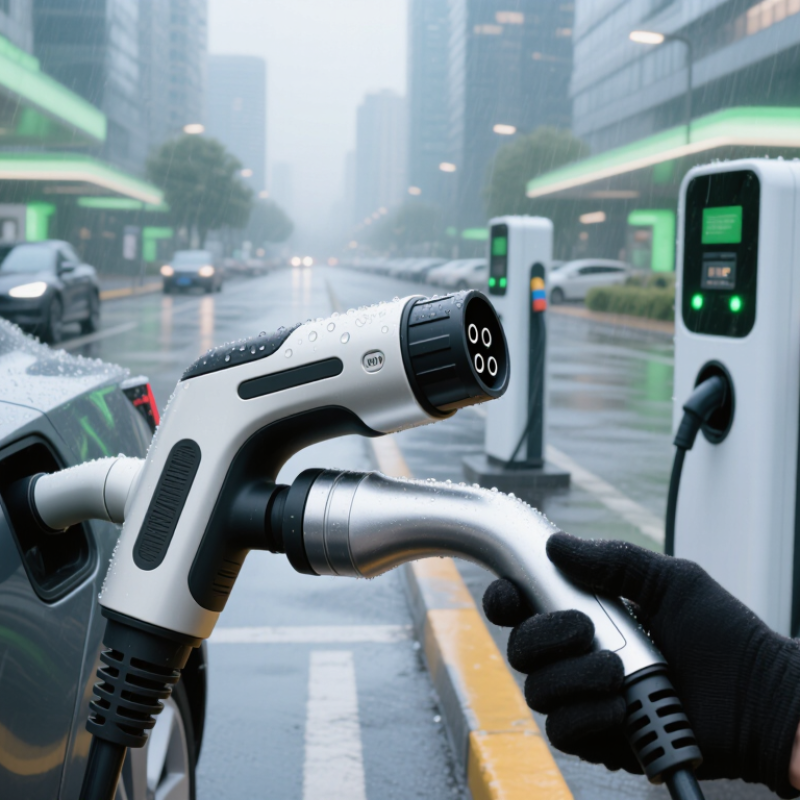
Before buying, consult your vehicle manual and the adapter manufacturer’s specifications. Look for clear testing information, traceable product documentation, and support for your exact vehicle model. Avoid relying on a marketplace photo or a vague “universal” label. Real-world charging can be less tidy than a spec sheet suggests; even a well-matched adapter may be inconvenient if it is heavy or difficult to handle in rain. This guide will help you compare compatibility, performance, safety, and practical use, so your choice is based on evidence—not guesswork.
How to Choose a DC Charger EV Adapter in 2026

Understanding the Role of a DC Charger EV Adapter

A DC charger EV adapter connects a vehicle’s charging inlet to a charger plug when their connector formats differ. It provides a physical and electrical link. It is not a power converter, and it cannot make every charger compatible with every car. Not magic.

The adapter must support the charging standard and the vehicle’s operating limits. The charger and car exchange information during a session, including whether charging can begin and how much power is appropriate. A mismatch may prevent charging or interrupt it.

A snug fit matters, too: a loose plug can heat up under high current. Check the adapter’s rated voltage, current, and power against the specifications for both the vehicle and charger.

Before buying, confirm the exact inlet and plug types in the vehicle manual and charger documentation. Inspect the adapter for damage, and stop if it feels unusually hot or the connection seems loose.

It is easy to assume that matching shapes mean matching systems. That assumption can fail. I would verify compatibility in writing rather than rely on a product photo or a seller’s broad “fits most” claim. Some details are easy to overlook, even when the adapter appears simple.

Identifying Your Vehicle and Charging Connector Standards

Choosing a DC charger EV adapter in 2026 starts with your vehicle, not the charger’s cable. Check the model year, original sales region, and charging inlet shown in the owner’s manual. A car may use CCS1, CCS2, CHAdeMO, or another standard, depending on its market. A plug that fits is not enough. The adapter must also support the vehicle’s charging communication and suitable voltage and current limits.

Tips: Photograph your inlet and compare its shape with the manual’s diagram. Confirm the adapter is specifically rated for DC fast charging; an AC adapter is not a substitute. Check whether the charging provider accepts that adapter type. Keep the vehicle’s exact trim and region handy when asking a qualified technician.

Small details matter. Some vehicles have different connectors across model years, even when their names look unchanged. Verify the adapter’s documentation against your car’s specifications before a trip. If the information conflicts, pause and ask the vehicle maker or a qualified EV service professional. Guessing from appearance can waste time, and I would not treat a successful plug-in as proof of compatibility.

Checking Power, Voltage, and Communication Compatibility

A DC adapter should match more than the shape of the vehicle inlet. Check the charger’s output range against the vehicle’s accepted DC voltage and current. A plug may fit while the electrical limits do not. Small details matter.

Compare power ratings, too. The adapter, vehicle, and charging station each have limits, and the lowest one usually constrains charging speed. For example, a high-power station cannot make a vehicle accept more current than its system allows. Look for the adapter’s rated voltage, current, and power, not just a headline kilowatt figure. Ratings can also change with temperature, so real charging may be slower than the maximum printed on a label.

Communication compatibility is just as important. DC charging involves a data exchange between the vehicle and station, including checks before power flows. Confirm that the adapter supports the connector standards and communication methods used at both ends. A passive shape-changing piece may not provide the required signaling. It is tempting to stop at the plug shape; that shortcut can be wrong. Check the vehicle manual and adapter documentation, and verify any stated compatibility for your exact vehicle configuration. If the details remain unclear, pause and ask the seller for written confirmation. I would not assume that “universal” means every pairing works.

How to Choose a DC Charger EV Adapter in 2026

Check voltage capacity and communication compatibility—not just the connector shape.

How to read this chart: These are upper voltage ratings, not the voltage a vehicle will receive during every charge. Confirm that the adapter, charger, and vehicle support the required voltage and power. Also verify protocol support: CCS uses PLC communication, while CHAdeMO uses CAN; an adapter must support the communication required by both sides. Ratings and capabilities can vary by standard revision and equipment.

Evaluating Safety Certifications and Physical Durability

A DC charging adapter carries high current, so safety evidence matters more than a polished case. Check that the exact adapter model is certified to relevant connector and charging-equipment standards, such as IEC 62196 and IEC 61851, where applicable. Confirm the certification covers its voltage and current rating, not merely a similar product. That detail is easy to miss. Inspect the housing for clear electrical ratings, manufacturer traceability, and instructions for compatible vehicle and charger interfaces.

Certification does not guarantee a long service life. The International Energy Agency’s Global EV Outlook 2024 reports that public charging points grew by about 40% worldwide in 2023. More equipment in daily use means adapters may face frequent connection cycles, outdoor exposure, and hurried handling. Look for published ingress and impact ratings, such as IP and IK classifications, and check what each rating actually covers. IP addresses dust and water; it does not establish impact resistance. Examine the latch, contact surfaces, cable entry, and strain relief for firm fit and visible protection.

A useful durability record should include temperature cycling, mechanical endurance, and electrical load testing for the specific model. Ask for test documentation, not just a logo on a listing. Keep the adapter dry, avoid pulling it by the cable, and stop using it if contacts loosen or the shell cracks. Some product pages remain vague about test conditions. Treat that as a reason to ask more questions, not as proof of failure.

Comparing Cost, Warranty, and 2026 Charging Features

A low purchase price can be misleading. Compare the adapter’s cost with shipping, taxes, and any required inspection. Then check whether it supports your vehicle’s DC charging inlet and the station’s connector. An adapter cannot make incompatible charging protocols work. Confirm voltage, current, and power limits in the product documentation, not just the listing headline. Small details matter. For example, a compact adapter may feel sturdy in your hand but still become inconvenient during a long charging stop. I would also avoid choosing by maximum advertised power alone; your vehicle and the charger both affect actual speed.

Read the warranty before paying. Look for its duration, covered faults, return window, and whether support requires proof of purchase. Ask how the seller handles overheating or communication failures, and keep the receipt. Warranty terms can be less reassuring than they first appear. In 2026, compare practical features such as temperature monitoring, secure locking, clear status indicators, and compatibility updates. Not every adapter includes them, and a newer feature is useful only if your vehicle and charging network recognize it. Check for independent safety testing and clear instructions. I would rather carry a slightly heavier adapter with verified limits than guess at a bargain. Still, documentation can be confusing, so contact support before buying if compatibility is unclear.

How to Choose a DC Charger EV Adapter in 2026 - Comparing Cost, Warranty, and 2026 Charging Features
Adapter option Typical use Indicative cost (USD) Warranty to look for Charging and compatibility checks 2026 features and practical considerations
Vehicle-approved DC adapter Connecting a vehicle to a different DC fast-charging connector standard where the vehicle maker explicitly supports that adapter and charging network. About $100–$300, depending on design and market. Check the written warranty for term, coverage of overheating or connector damage, and whether use is limited to approved vehicles and chargers. Confirm the exact vehicle model, model year, connector direction, charging-network eligibility, and adapter current and voltage ratings. An adapter does not guarantee access to every station. Look for clear compatibility updates and any documented temperature monitoring or locking features. Network access, authentication, and Plug & Charge depend on the vehicle, charger, and service—not the adapter alone.
Third-party DC adapter with documented certification Cross-standard DC charging when the vehicle and charging network permit third-party adapters. About $80–$250; pricing varies with rated capacity, materials, and regional certification. Prefer a clearly stated warranty with a defined claim process. Compare exclusions, especially for use outside the listed vehicle or charger compatibility. Request a data sheet showing applicable standards, rated voltage and current, environmental limits, and supported connector pairing. Verify that the adapter is approved for the specific charging setup. In 2026, check for traceable safety documentation, durable strain relief, secure latching, and temperature protection where specified. Avoid relying on claims such as “universal” without a compatibility list.
Regional-standard conversion adapter Use between connector systems in different regions, such as North American or European charging environments, only when the vehicle and charger support the conversion. About $150–$400; specialized or low-volume products may cost more. Check warranty validity in the country of use, local service availability, and whether the warranty covers operation at the stated power rating. Connector shape alone is not enough: DC communication protocols, voltage range, grounding, and vehicle software must also be compatible. Confirm local electrical and safety requirements. Regional network coverage and payment methods can differ. Confirm that the vehicle can communicate with the charger and that any required software support is available for the relevant market.
High-current or high-power-rated DC adapter For compatible charging systems where the adapter’s published rating is appropriate for the vehicle and charger. About $150–$350, depending on rated capacity and construction. Compare warranty duration and coverage for connector wear, thermal damage, and manufacturing defects; keep proof of purchase and the product documentation. Use the lowest applicable limit among the vehicle, charger, cable, and adapter. Actual charging speed is also affected by battery temperature, state of charge, and the vehicle’s charging curve. Temperature sensing or an interlock may be useful if explicitly documented. A higher adapter rating does not increase the vehicle’s maximum charging power.
Low-cost adapter without clear approval or documentation No recommended use for DC fast charging unless compatibility and safety are independently established. Often under $100; a low price does not establish suitability for DC charging. Warranty terms may be unclear or limited. Lack of verifiable coverage can make a low purchase price a higher-risk choice. Do not use if the manufacturer, ratings, supported connector pairing, or vehicle/network compatibility cannot be verified. Never modify or force a connector. Unverified claims about universal fit, faster charging, or automatic Plug & Charge should be treated cautiously. Choose a documented, compatible product instead.

Important: Cost figures are broad indicative estimates, not guaranteed market prices. DC adapter compatibility is vehicle-, charger-, network-, and region-specific. Check the vehicle manual and current charging-network guidance before purchase; never exceed the lowest published rating of any component in the charging path.